Key performance
Technical specifications
Engine
- Displacement
- 599 cc
- Power
- 95.0 ch @ 11500 tr/min (69.3 kW)
- Torque
- 61.0 Nm @ 9500 tr/min
- Engine type
- In-line four, four-stroke
- Cooling
- liquide
- Compression ratio
- 12:1
- Bore × stroke
- 62 x 49.6 mm
- Valves/cylinder
- 4
- Camshafts
- 2 ACT
- Valve timing
- Double Overhead Cams/Twin Cam (DOHC)
- Starter
- électrique
Chassis
- Frame
- double berceau tubulaire en acier
- Gearbox
- boîte à 6 rapports
- Final drive
- Chaîne
- Front suspension
- Fourche téléhydraulique Ø 41 mm, déb : 120 mm
- Rear suspension
- Mono-amortisseur, déb : 120 mm
Brakes
- Front brakes
- Freinage 2 disques Ø 298 mm, étrier 4 pistons
- Rear brakes
- Freinage 1 disque Ø 245 mm, étrier 2 pistons
- Front tyre
- 110/70-17
- Front tyre pressure
- 2.25 bar
- Rear tyre
- 160/60-17
- Rear tyre pressure
- 2.50 bar
Dimensions
- Seat height
- 790.00 mm
- Wheelbase
- 1415.00 mm
- Fuel capacity
- 22.00 L
- Weight
- 214.00 kg
- Dry weight
- 189.00 kg
- New price
- 6 860 €
Overview
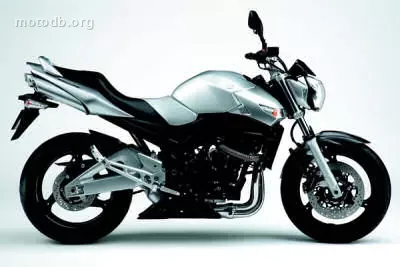
How much horsepower does a 2003 Yamaha FZS 600 Fazer have? Exactly 95, drawn from an inline four-cylinder inherited from the Thundercat, with a 12:1 compression ratio, delivering its best at 11,500 rpm. On paper, nothing new under the fairing. And yet, this 2002-2003 vintage sparked endless discussion on every Yamaha FZS 600 Fazer forum. The reason comes down to two words: new headlight cowl. Borrowed almost directly from the bigger sister FZS 1000, it transforms the silhouette of this versatile all-rounder into something far more assertive. The headlights gain in effectiveness, correcting in the process one of the few criticisms leveled at previous versions. The Fazer traded its somewhat bland good-student look for a face that truly catches the eye.
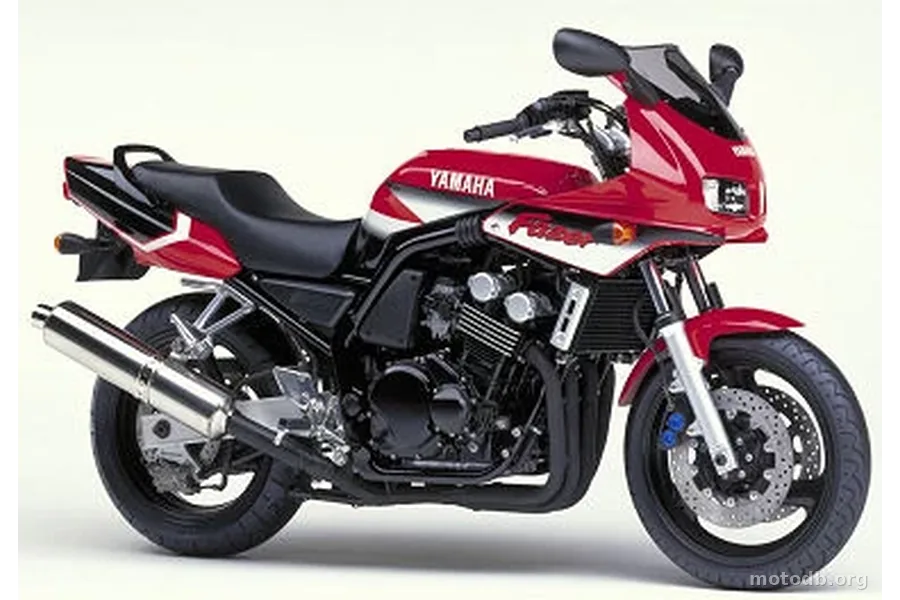
The flip side is wind protection. The redesigned screen lets more wind through, and the comfortable cruising speed drops by about 20 km/h. For a motorcycle capable of reaching 220 km/h at top speed, it's a trade-off that makes itself felt on long highway rides. Yamaha partly compensated with a fuel tank enlarged to 22 liters, two liters more than the previous model. Enough to push back fuel stops and make the Fazer even more credible as a touring machine. The exhaust silencer switches to stainless steel, a sign of improved finish quality across the entire motorcycle: more readable mirrors, indicators mounted on rubber bushings, small details that, taken together, reinforce the perceived quality.
On the chassis side, the tubular steel double-cradle frame remains faithful to its post, as does the 41 mm telehydraulic fork and the rear monoshock, each offering 120 mm of travel. The 1,415 mm wheelbase gives the machine a balance that many competitors envy. At 214 kg wet, the Yamaha FZS 600 Fazer handles with disarming ease. It navigates city streets without complaint, strings together corners on back roads with precision, and reassures riders looking for a first big-displacement bike without the stress. Braking, handled by two 298 mm discs gripped by four-piston calipers up front, does the job honestly, without quite matching current standards in terms of bite.
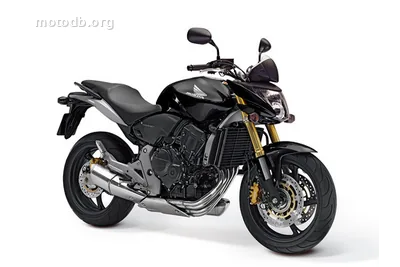
The 599 cc four-cylinder, with its 61 Nm of torque at 9,500 rpm, remains the heart of this machine's character. It's flexible, smooth, and never caught off guard. You could fault it for a slight lack of punch at the lowest revs, a hint less character compared to what the competition offered at the time, with the Suzuki Bandit 600 leading the pack. But this smoothness of operation is also part of the deal: the Fazer isn't a sportbike in disguise, it's an unapologetic all-rounder. For those looking for the Yamaha FZS 600 Fazer workshop manual, the mechanicals are remarkably accessible, which explains its consistently strong value on the used market.
Priced at 6,860 euros in 2003, the FZS 600 Fazer RJ02 version remained positioned as one of the best performance-to-price ratios in the naked segment. It appeals equally to the daily commuter and the weekend rider, to the newly licensed beginner and the touring rider who wants a reliable mount without breaking the bank. From the 1999 version to the 2005 edition, the recipe never fundamentally changed, and that's precisely what makes it so strong. This 2003 facelift simply gave it the looks it was missing to match its dynamic qualities. A well-placed nip and tuck, even if wind protection paid the price.
Practical info
- Moto bridable à 34 ch pour l'ancien permis A MTT1 - pas garanti pour le permis A2
- La moto est accessible aux permis : A, A (MTT1)
Reviews & comments
No reviews yet. Be the first to share your opinion!