Key performance
Technical specifications
Engine
- Displacement
- 124 cc
- Power
- 15.0 ch @ 8000 tr/min (11.0 kW)
- Torque
- 13.0 Nm @ 8000 tr/min
- Engine type
- Monocylindre, 2 temps
- Cooling
- liquide
- Compression ratio
- 6.7 : 1
- Bore × stroke
- 56 x 50.7 mm
Chassis
- Frame
- simple berceau dédoublé en acier
- Gearbox
- boîte à 6 rapports
- Final drive
- Chaîne
- Front suspension
- Fourche téléhydraulique Ø 41 mm, déb : 200 mm
- Rear suspension
- Mono-amortisseur, déb : 230 mm
Brakes
- Front brakes
- Freinage 1 disque Ø 298 mm, étrier 2 pistons
- Rear brakes
- Freinage 1 disque Ø 220 mm, étrier simple piston
- Front tyre
- 120/70-17
- Rear tyre
- 140/70-17
Dimensions
- Seat height
- 886.00 mm
- Fuel capacity
- 10.70 L
- Weight
- 132.00 kg
- Dry weight
- 122.00 kg
- New price
- 4 115 €
Overview
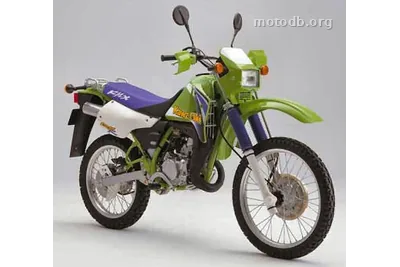
When Yamaha decides to fit its DTR off-roader with 17-inch wheels and a supermoto setup, the result is the Yamaha DTX 125, and it gives urban small-displacement enthusiasts plenty to think about. The recipe is straightforward: same twin-spar steel frame, same 124cc two-stroke single inherited from the DTR, but a radically different philosophy. You leave the dirt tracks behind to tackle battered A-roads and suburban roundabouts.
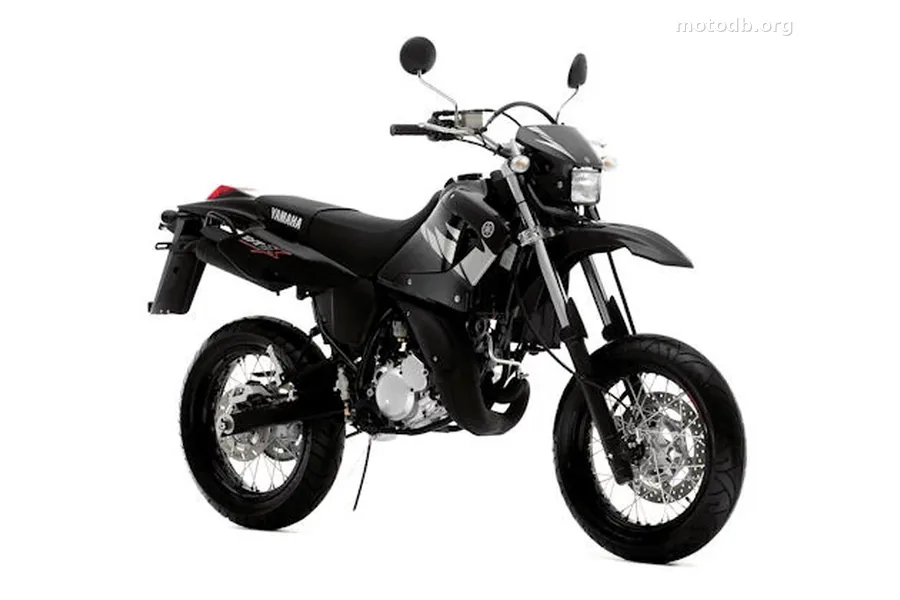
The engine is the heart of the project. This single, built around a 56mm bore and 50.7mm stroke, produces 15 horsepower at 8,000rpm, with 13Nm of torque at the same rev range. On paper, it sounds modest. On the road, the Yamaha DTX 125 two-stroke proves genuinely lively as long as you keep the revs in the right window, and the claimed top speed of 135km/h is entirely believable on a flat road. The regulatory restrictor nibbles away at some of that spontaneity — as anyone familiar with Yamaha DTX 125 tuning and de-restricting knows well — but the engine remains responsive for riders willing to work the 6-speed gearbox. And work it you will, since sixth gear is frankly tall for a 125, which pushes you to stay on the intermediate ratios. The direct consequence is higher fuel consumption. Six litres per hundred kilometres is the going rate for a worked two-stroke, and the 10.7-litre tank is unforgiving of inattention on longer runs.
Where the DTX truly convinces is in its handling and suspension package. At 122kg dry, with a 41mm telescopic fork offering 200mm of travel and a rear mono-shock with a generous 230mm of travel, the bike absorbs rough surfaces without complaint and tracks cleanly through twisty back roads. The high seat at 886mm may put off shorter riders, but it contributes to a dynamic riding position — chest up, arms wide. In town, the relatively light weight and strong front braking, courtesy of a 298mm disc clamped by a twin-piston caliper, make a real difference. The rear 220mm disc with a single piston remains fairly incidental: it manages braking balance without anyone truly trusting their life to it. The 120/70-17 front and 140/70-17 rear tyres stay true to the supermoto philosophy and grip well in the dry.
The cockpit is unapologetically minimal. You search in vain for electronic aids or any kind of screen: a speedo, a rev counter, the bare essentials. For a young rider or an A1 licence holder, it all makes sense. The Yamaha DTX 125 supermoto makes no claim to being a grand tourer — it claims to be fun, and on that front it delivers.
The main drawback remains the Yamaha DTX 125 new price, listed at €4,115 at the time, which placed it at the upper end of the accessible 125 market. Today, the used Yamaha DTX 125 market is well stocked, with values that reflect a proven mechanicals and a style that has aged surprisingly well. For anyone hunting Yamaha DTX 125 parts or a second-hand Yamaha DTX 125 engine, the owner community is active and bodywork remains available through specialists. That is the hallmark of machines that defined their era: they keep running long after the direct competition has disappeared from the catalogues.
Practical info
- La moto est accessible aux permis : A
Reviews & comments
No reviews yet. Be the first to share your opinion!