Key performance
Technical specifications
No spec differences between these two model years.
Engine
- Displacement
- 885 cc
- Power
- 70.0 ch @ 8000 tr/min (51.5 kW)
- Torque
- 70.6 Nm @ 4000 tr/min
- Cooling
- liquide
- Compression ratio
- 10 : 1
- Bore × stroke
- 76 x 65 mm
- Valves/cylinder
- 4
- Camshafts
- 2 ACT
Chassis
- Frame
- Arête centrale en acier
- Gearbox
- boîte à 6 rapports
- Final drive
- Chaîne
- Front suspension
- Fourche téléhydraulique Ø 43 mm, déb : 150 mm
- Rear suspension
- Mono-amortisseur, déb : 100 mm
Brakes
- Front brakes
- Freinage 1 disque Ø 320 mm, étrier 2 pistons
- Rear brakes
- Freinage 1 disque Ø 285 mm, étrier 2 pistons
- Front tyre
- 110/80-18
- Rear tyre
- 150/80-16
Dimensions
- Seat height
- 750.00 mm
- Fuel capacity
- 15.00 L
- Weight
- 240.00 kg
- Dry weight
- 211.00 kg
- New price
- 9 300 €
Overview
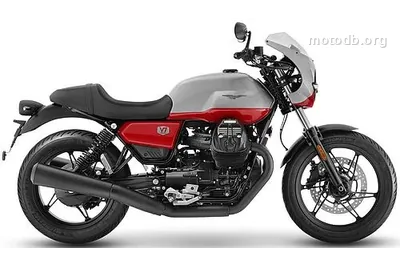
At the dawn of the 2000s, when neo-retro was still just a murmur, Triumph pulled a seductive oddity out of its hat: the Thunderbird Sport. This isn't a simple variation of the classic 900, but a fully-fledged proposition, a café racer dressed in leather and chrome that proclaims its heritage without suffering its whims. The 885 cm³ three-cylinder engine, inherited from the family but equipped with the six-speed gearbox from the S version, displays figures that elicit smiles today: 70 horsepower at 8000 rpm and 70.6 Nm of torque at 4000 rpm. It’s far from a powerhouse, but that’s precisely where its charm lies. This reliable engine, free from the ghosts of old English bikes, delivers its power with linear generosity and a rich sound that transforms every journey into a small ceremony. For those seeking a detailed Triumph Thunderbird Sport specification sheet, the figures speak for themselves: a dry weight of 211 kg, a seat height of 75 cm, and a 15-liter fuel tank. These figures position it as an accessible touring bike, but with a temperament.
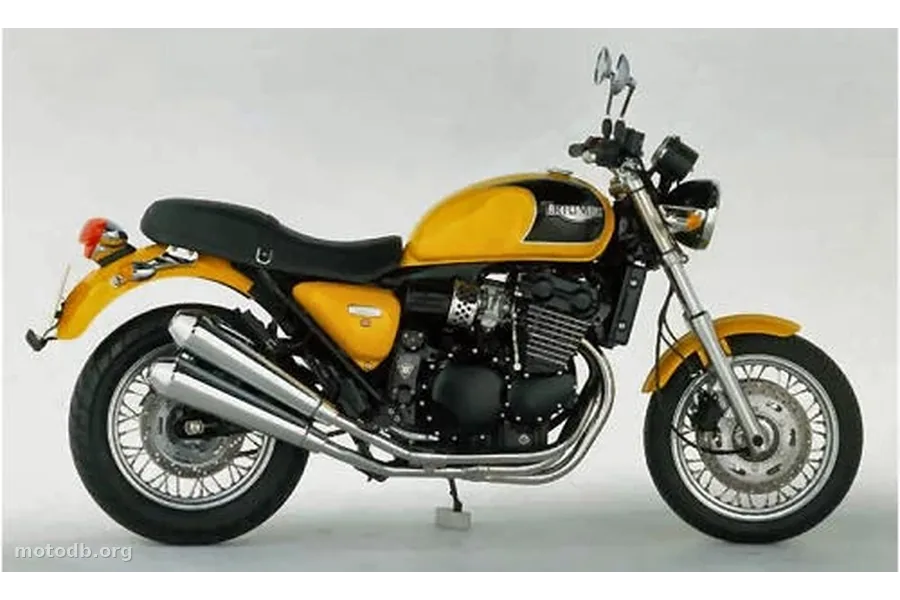
Compared to its more aseptic Japanese contemporaries or massive American cruisers, the Thunderbird Sport 900 plays on a different register. It doesn't seek to impress with brute performance, but with attitude. Its look, with its round headlight, instruments perched on the tank, and sausage-shaped exhausts, is a successful exercise in style. It draws inspiration from models of the 90s, such as the 1998 Triumph Thunderbird Sport, but with modern construction that avoids the recurring mechanical issues of the time. This is the recipe that makes searches for a used Triumph Thunderbird Sport 900 so popular today: the pleasure of vintage aesthetics without the hassle.
However, living with this English bike on a daily basis is not without a few compromises. Comfort, in particular, is not its strong point. The monocross rear shock absorber, with its short 100 mm travel, quickly proves stingy with suppleness on bumpy roads. In the city, its rather wide turning radius requires a bit of anticipation. But once launched on the country road, it reveals its qualities. The central backbone steel frame and 43 mm fork offer stable and predictable handling, perfectly in line with the engine's capabilities. The braking system, with its two double-piston calipers, is sufficiently bitey for a bike that prefers looks to assault. It's a machine that is ridden with the wrist, but above all with the mood.
Who should consider a Triumph Thunderbird Sport 2000 or a model from the following years, such as the 2003 or 2004? It’s clearly not the track rider seeking thrills, nor the long-distance traveler demanding absolute comfort. It’s the enthusiast with a shared heart, the one who wants a distinctive motorcycle for Sunday rides, outings with friends, or short urban trips with panache. It’s a characterful bike, appreciated for what it is: a retro object of desire, well-built, with a charming engine and an undeniable presence. A Triumph Thunderbird Sport test ride is enough to understand that you are buying here much more than a simple means of transport; you are buying a style, an atmosphere, a small piece of English soul that has not aged.
Practical info
- Moto bridable à 34 ch pour l'ancien permis A MTT1 - pas garanti pour le permis A2
- La moto est accessible aux permis : A, A (MTT1)
Indicators & positioning
Similar bikes
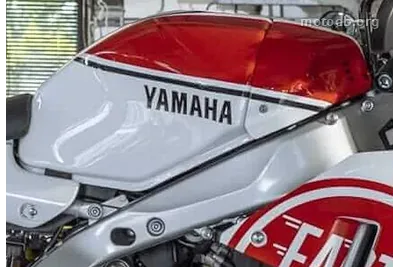
XSR 900 GP Yard Built - Back to the Paddock -
Reviews & comments
No reviews yet. Be the first to share your opinion!