Key performance
Technical specifications
Engine
- Displacement
- 1050 cc
- Power
- 150.0 ch @ 10500 tr/min (110.3 kW)
- Torque
- 116.7 Nm @ 7150 tr/min
- Cooling
- liquide
- Compression ratio
- 12.92:1
- Bore × stroke
- 79 x 71.4 mm
- Valves/cylinder
- 4
- Camshafts
- 2 ACT
- Fuel system
- Injection
Chassis
- Frame
- aluminium à deux longerons
- Gearbox
- boîte à 6 rapports
- Final drive
- Chaîne
- Front suspension
- Fourche inversée Showa Ø 43mm, déb : 120 mm
- Rear suspension
- Amortisseur Showa, déb : 130 mm
Brakes
- Front brakes
- Freinage 2 disques Ø 320 mm, fixation radiale, étrier 4 pistons
- Rear brakes
- Freinage 1 disque Ø 255 mm, étrier 2 pistons
- Front tyre
- 120/70-17
- Front tyre pressure
- 2.35 bar
- Rear tyre
- 190/55-17
- Rear tyre pressure
- 2.90 bar
Dimensions
- Seat height
- 825.00 mm
- Fuel capacity
- 15.50 L
- Dry weight
- 192.00 kg
- New price
- 13 750 €
Overview
Twenty-five years this English triple-cylinder has been defying the codes of the sports roadster, and Triumph chose 2018 to give it a muscular rejuvenation. The Speed Triple has never been a gentleman. It is a machine built to provoke, to shake, to get the adrenaline flowing from the first twist of the wrist. This fourth generation of the 1050 disowns nothing of that heritage — it owns it, with 150 horsepower deployed at 10,500 rpm and 116.7 Nm of torque at 7,150 rpm. Ten more horsepower than the previous version, achieved not through a complete overhaul but through a thorough revision of the existing engine, with no fewer than 105 parts replaced or modified. Compression ratio raised to 12.9:1, new pistons, high-lift cam profiles, reworked cylinder head for improved exhaust gas evacuation: Triumph went through everything with a fine-tooth comb without touching the base architecture.
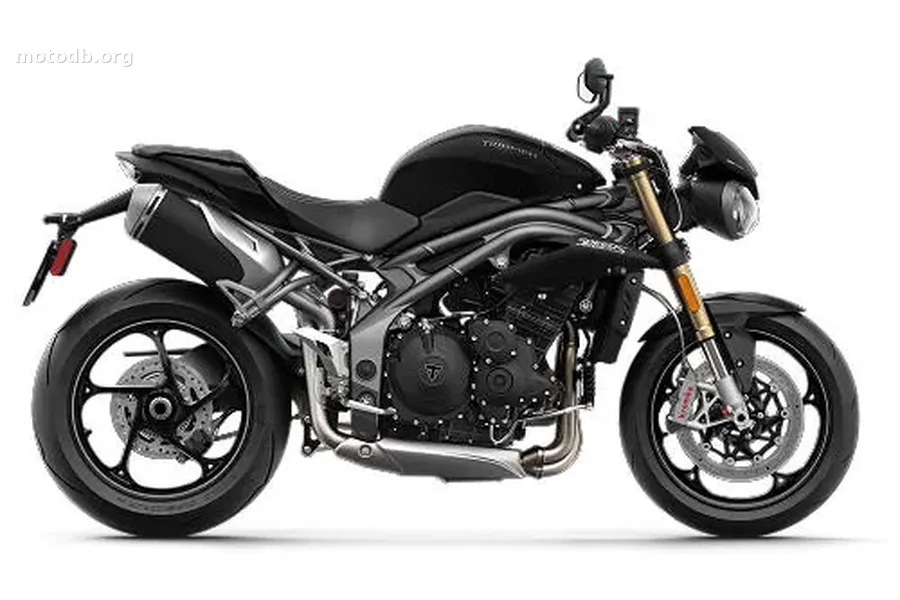
The result is felt above all in the usable rev range. The 1050 triple revs up with increased directness, and the torque available from low rpm remains the trump card against rivals such as the Kawasaki Z1000 or Yamaha's MT-10. Those machines play the urban brutality card, but neither can reproduce the particular sound of the inline three-cylinder — that deep rumble that turns into a competition engine note past 7,000 rpm. At €13,750, the price is consistent with the positioning: the Speed Triple S is not trying to compete with entry-level roadsters, it targets the experienced rider who wants character without compromise. A beginner would do better to look elsewhere — the high 825 mm seat and the engine's temperament do not easily forgive rookie mistakes.
The aesthetic evolution can be read in the details. The new cross-spoke wheels replace the Y-shaped design of previous model years, with a deliberate visual kinship with the forged wheels of the early Speed Triple R. The most striking difference is found at the instrument cluster. The 5-inch colour TFT screen makes its entrance, with three display configurations that adapt to the four available riding modes: Road, Sport, Rain, and Rider. The backlit switchgear completes this welcome modernisation. Let's be honest — it was becoming an eyesore to see this premium roadster sticking to an analogue display when the Tigers had already gone digital. The Speed Triple thus catches up with equipment that finally matches its standing. Switchable ABS and traction control join the spec sheet, along with a cruise control that is not exactly the most sought-after accessory on this type of machine, but which no one will complain about on the motorway.
The twin-spar aluminium frame, a distant legacy of the Daytona 955, remains unchanged. It is the right call. Why change what works? The 43 mm Showa inverted fork with 120 mm of travel and the rear shock from the same manufacturer allow 130 mm of stroke, all adjustable in both directions. For brakes, Brembo delivers with two 320 mm discs up front mounted with four-piston radial calipers, and a single 255 mm disc at the rear. The braking is precise, progressive, and hysteria-free — exactly what you expect on a 192 kg dry-weight motorcycle capable of reaching 240 km/h. The 15.5-litre tank limits range, which is no surprise on a machine of this size, but imposes frequent stops on long journeys.
For those who find the S version too tame, Triumph offers the RS, with Öhlins suspension, carbon components, Arrow exhaust, inertial measurement unit, and Track mode. Three kilos less, with equipment bordering on circuit-ready specification. The Speed Triple thus retains its two-tier structure, with an already well-equipped base version and a premium variant for riders who want to extract the maximum from the engine. This 2018 model year remains above all a machine of character, built for those who know what they are looking for and have absolutely no desire to be told why a roadster should be reasonable.
Standard equipment
- Assistance au freinage : L'ABS peut être désactivé de série
Practical info
- La moto est accessible aux permis : A
Indicators & positioning
Similar bikes
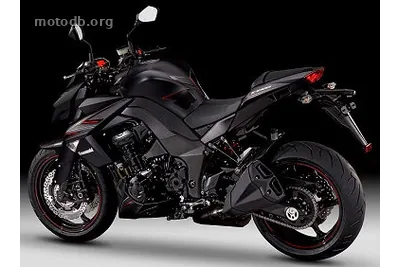
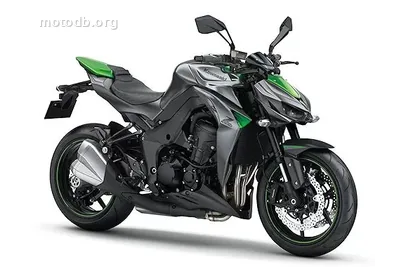
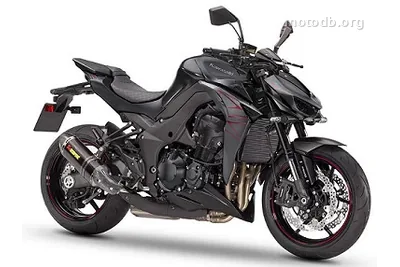
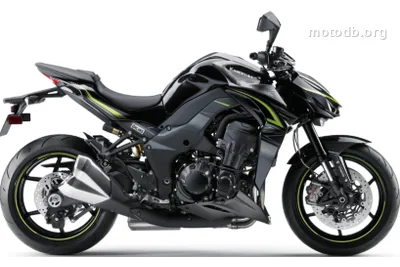
Z 1000 Black Edition
Reviews & comments
No reviews yet. Be the first to share your opinion!