Key performance
Technical specifications
No spec differences between these two model years.
Engine
- Displacement
- 1298 cc
- Power
- 175.0 ch @ 9800 tr/min (128.7 kW)
- Torque
- 138.3 Nm @ 7000 tr/min
- Engine type
- 4 cylindres en ligne, 4 temps
- Cooling
- liquide
- Bore × stroke
- 81 x 63 mm
- Valves/cylinder
- 4
- Camshafts
- 2 ACT
- Fuel system
- Injection
Chassis
- Frame
- double poutre alu
- Gearbox
- boîte à 6 rapports
- Final drive
- Chaîne
- Front suspension
- Fourche téléhydraulique inversée Ø 43 mm, déb : 120 mm
- Rear suspension
- Mono-amortisseur, déb : 140 mm
Brakes
- Front brakes
- Freinage 2 disques Ø 320 mm, étrier 6 pistons
- Rear brakes
- Freinage 1 disque Ø 240 mm, étrier 2 pistons
- Front tyre
- 120/70-17
- Front tyre pressure
- 2.90 bar
- Rear tyre
- 190/50-17
- Rear tyre pressure
- 2.90 bar
Dimensions
- Seat height
- 805.00 mm
- Fuel capacity
- 21.00 L
- Weight
- 250.00 kg
- Dry weight
- 217.00 kg
- New price
- 13 299 €
Overview
So, what’s the motorcycle that shook legislation and silenced all the hypersportives of the time? No need to beat around the bush, it’s the Suzuki Hayabusa. In 1999, it arrived like a missile, with a single mission: to be the fastest. And it was. This large 1300 cm3 four-cylinder engine, delivering 175 horsepower, is not just an engine, it’s a declaration of war. Its maximum speed, officially beyond 300 km/h and often measured around 317, forced manufacturers to sign a pact to limit the madness. But the Hayabusa, this first generation, remains the icon of that era when power was an end in itself.
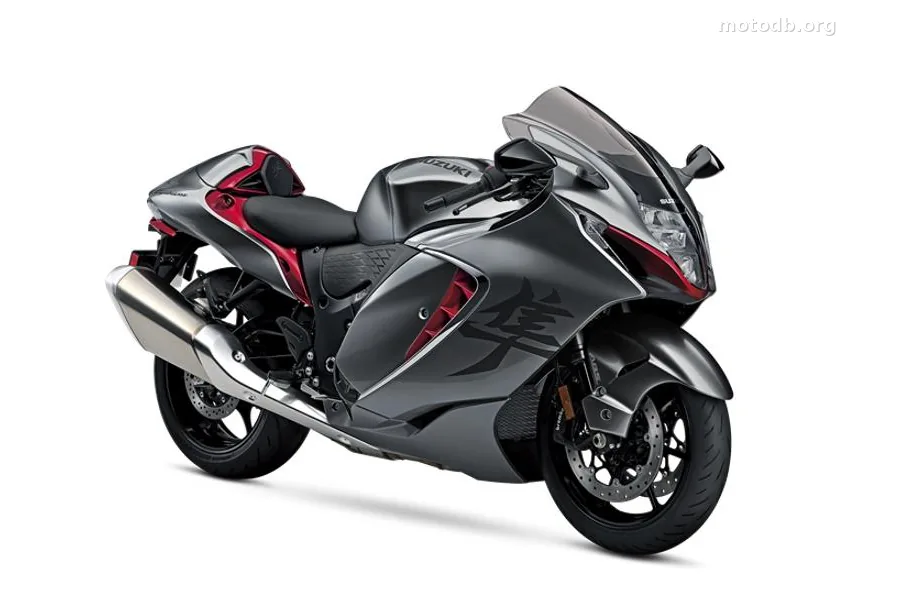
On paper, it looks intimidating. 250 kg with a full tank, a power output that seems reserved for track riders. But get on it, and the magic happens. The engine is a masterpiece of flexibility. At low RPM, it pulls like a diesel, docile and deep. Pass 7000 RPM, where its 138 Nm of torque already delivers a good punch, and it transforms. In the high RPM range, it’s a fury, an avalanche of power that propels you with rare violence. Compared to a Honda CBR1100XX Blackbird from the same period, the Suzuki is more raw, more demonstrative. It doesn’t just want to be fast, it wants you to feel it in your gut.
And the chassis? That’s where the genius is revealed. With a long wheelbase and considerable weight, you’d expect a cumbersome ship to maneuver. Wrong. The aluminum twin-spar frame and suspension, a 43 mm inverted fork at the front, work in harmony. The motorcycle enters corners with disconcerting ease. It doesn’t have the nervous agility of a 600, of course, but it leans with a lightness that makes its weight disappear. On a winding road, it is stable, precise, and gives you confidence. It’s a machine for touring riders who want performance without the contortions of a pure sportbike.
But it has its limits, and they are logical. The aerodynamic protection, optimized for maximum speed, is minimalist. From 160 km/h, the wind buffets you; a taller windscreen becomes essential for long journeys. And on the track, pushed to the extreme, its ground clearance is quickly compromised. The footpegs scrape, the fairing touches. It’s not a track-day machine. Its brakes, powerful with their two 320 mm front discs, sometimes lack initial bite, a characteristic of Suzuki motorcycles from that era that is less common on later versions like the new Suzuki Hayabusa 2021.
Who should buy a Suzuki Hayabusa today? It’s a motorcycle for the enthusiast, for those who want to own a piece of history. On the used market, a 1999 or 2001 Hayabusa remains a desirable object. Its new price was already high, around 13,000 euros, but today it offers a unique experience for much less. It’s not the beginner’s motorcycle, nor the one for the hurried urban rider. It is for the touring rider who loves wide open spaces and interplanetary acceleration, for those seeking a hypersportive with real character, a presence, and a legend behind it. Later versions, such as the Suzuki Hayabusa 2022 or 2023, have gained in technology and refinement, but this original, with its controversial design and titanic engine, has a soul that the later ones cannot fully reproduce. It’s the motorcycle that proved that speed doesn’t need to be angular, it can be round, fluid, and terribly effective.
Practical info
- La moto est accessible aux permis : A
Indicators & positioning
Similar bikes
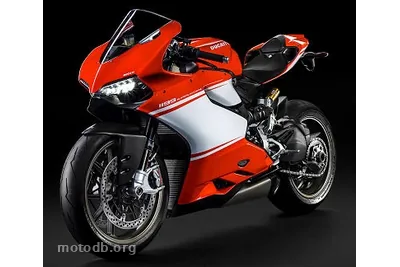
1299 Panigale Superleggera
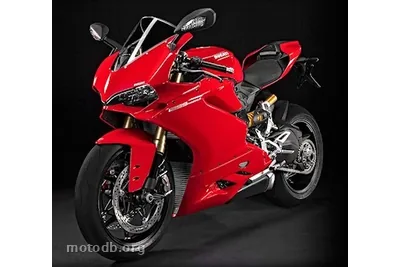
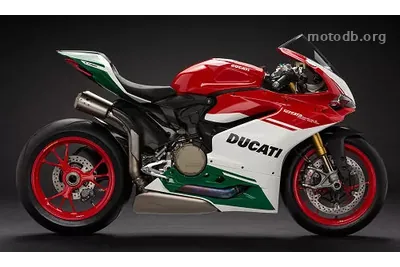
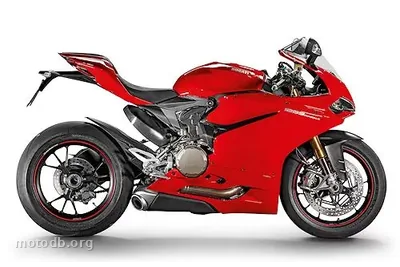
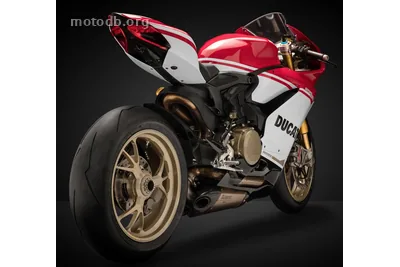
Reviews & comments
No reviews yet. Be the first to share your opinion!