Key performance
Technical specifications
Engine
- Displacement
- 1037 cc
- Power
- 107.0 ch @ 8500 tr/min (78.7 kW)
- Torque
- 100.0 Nm @ 6000 tr/min
- Engine type
- Bicylindre en L à 90°, 4 temps
- Cooling
- liquide
- Compression ratio
- 11.5 : 1
- Bore × stroke
- 100 x 66 mm
- Valves/cylinder
- 4
- Camshafts
- 2 ACT
- Fuel system
- Injection Ø 49 mm
Chassis
- Frame
- Double poutre en aluminium
- Gearbox
- boîte à 6 rapports
- Final drive
- Chaîne
- Front suspension
- Fourche téléhydraulique inversée Ø 43 mm, déb : 160 mm
- Rear suspension
- Mono-amortisseur, déb : 160 mm
Brakes
- Front brakes
- Freinage 2 disques Ø 310 mm, fixation radiale, étrier 4 pistons
- Rear brakes
- Freinage 1 disque Ø 260 mm, étrier simple piston
- Front tyre
- 110/80-19
- Front tyre pressure
- 2.50 bar
- Rear tyre
- 150/70-17
- Rear tyre pressure
- 2.90 bar
Dimensions
- Seat height
- 850.00 mm
- Fuel capacity
- 20.00 L
- Weight
- 247.00 kg
- New price
- 15 099 €
Overview
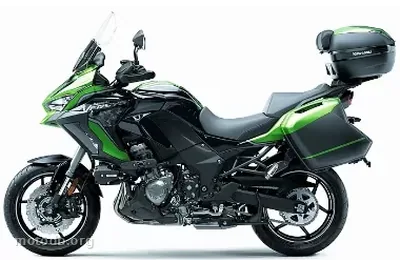
Take any national road on a Sunday morning and watch what goes by. GT adventure bikes now cross paths like pigeons in a village square. In this saturated segment, where BMW, Ducati and KTM battle it out with TFT screens and semi-active systems, Suzuki had to find a different angle of attack for this V-Strom 1050 XT. Not the most expensive, not the most sophisticated, but perhaps the most honest.
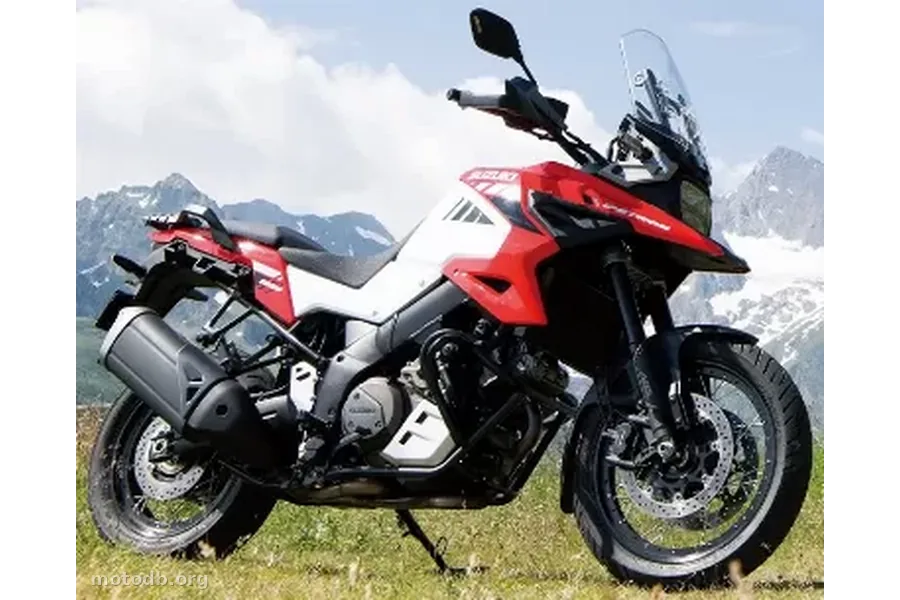
The first argument is visual. Suzuki has dipped into its archives like an old rock band pulling out its greatest riffs: the graphics echo the DR of the 1990s, the colors are bold, the fairing angles unapologetic. Some will find it overdone, others will see a character that the more understated standard version doesn't claim. The spoked wheels do their job: they immediately signal an adventure intent, even if this machine remains fundamentally a touring bike with an outdoor temperament. The weight doesn't lie, either: 247 kg fully fuelled, 11 more than the standard. You don't pretend to be light with a spec sheet like this.
That spec sheet is precisely the XT's real selling point. The aluminium engine guards, the tubular crashbar, the handguards, the seat adjustable to two heights at 850 mm, the luggage rack mounts, the USB port on the dashboard and the 12V socket under the seat: here is a list of concrete, useful things that the long-distance rider appreciates day to day. The windscreen adjusts across 11 positions, which is good, but requires dismounting to do so, which is less good. That kind of compromise betrays a controlled development budget rather than a philosophy thought through to the end.
Beneath the twin-spar aluminium frame, the 90-degree V-twin displacing 1037 cc delivers 107 horsepower at 8,500 rpm and 100 Nm at 6,000 rpm. Torque is marginally down compared to the previous generation, and arrives higher in the rev range. On a machine that weighs what it weighs, one hopes the V-twin retains that characteristic mid-range smoothness that makes it so rewarding on the road. The 43 mm inverted KYB fork, fully adjustable, and the monoshock with adjustable preload and rebound provide a solid foundation. The four-piston Tokico calipers on 310 mm discs up front have been doing their job across this motorcycle family for years, without fuss or notable shortcoming.
The electronics take a clear step upmarket with the SIRS package: IMU inertial measurement unit, two-mode ABS, three-level traction control, anti-wheelie, hill start assist, cruise control, three engine maps. That's good. But the instrument cluster remains an LCD where the Multistrada V4, the GS 1300 or the 1290 Super Adventure display high-resolution TFT screens with smartphone connectivity. Suzuki is clearly playing a price card: at €15,099, the XT sits comfortably below its most high-profile rivals. It's a deliberate choice, consistent with the brand's DNA, and one that targets a specific audience: the experienced long-distance rider who prefers real kilometres to marketing specifications, and who doesn't need an Airbus-style cockpit to enjoy an alpine pass.
Standard equipment
- Assistance au freinage : ABS de série
Practical info
- Véhicule accessible au permis A2 ou bridable à 47.5ch / 35 Kw
- La moto est accessible aux permis : A, A2
Indicators & positioning
Similar bikes
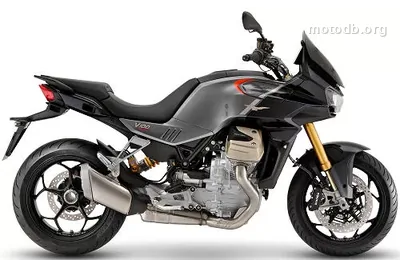
V100 Mandello S
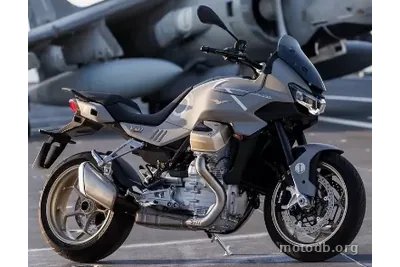
V100 Mandello Aviazione Navale
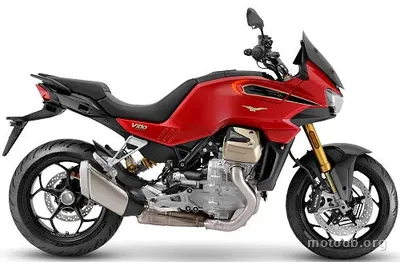
V100 Mandello Wind Tunnel
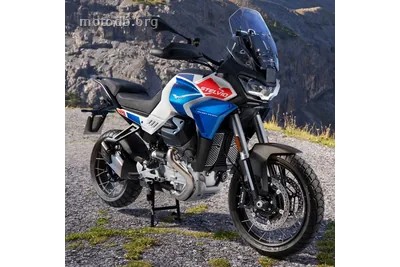
1000 Stelvio Duecento Tributo
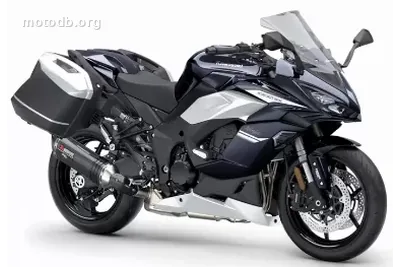
Ninja 1000 SX Performance Tourer
Reviews & comments
No reviews yet. Be the first to share your opinion!