Key performance
Technical specifications
Engine
- Displacement
- 124 cc
- Power
- 15.0 ch @ 9000 tr/min (11.0 kW)
- Engine type
- Monocylindre, 4 temps
- Cooling
- par air
- Valves/cylinder
- 4
- Camshafts
- 2 ACT
- Fuel system
- Injection
Chassis
- Frame
- Cadre tubulaire en acier
- Gearbox
- boîte à 6 rapports
- Final drive
- Chaîne
- Front suspension
- Fourche téléhydraulique Ø 37 mm
- Rear suspension
- 2 amortisseurs latéraux
Brakes
- Front brakes
- Freinage
- Rear brakes
- Freinage 1 disque
- Front tyre
- 110/70-17
- Front tyre pressure
- 1.60 bar
- Rear tyre
- 130/70-17
- Rear tyre pressure
- 2.00 bar
Dimensions
- Fuel capacity
- 14.00 L
- Weight
- 137.00 kg
- New price
- 3 799 €
Overview
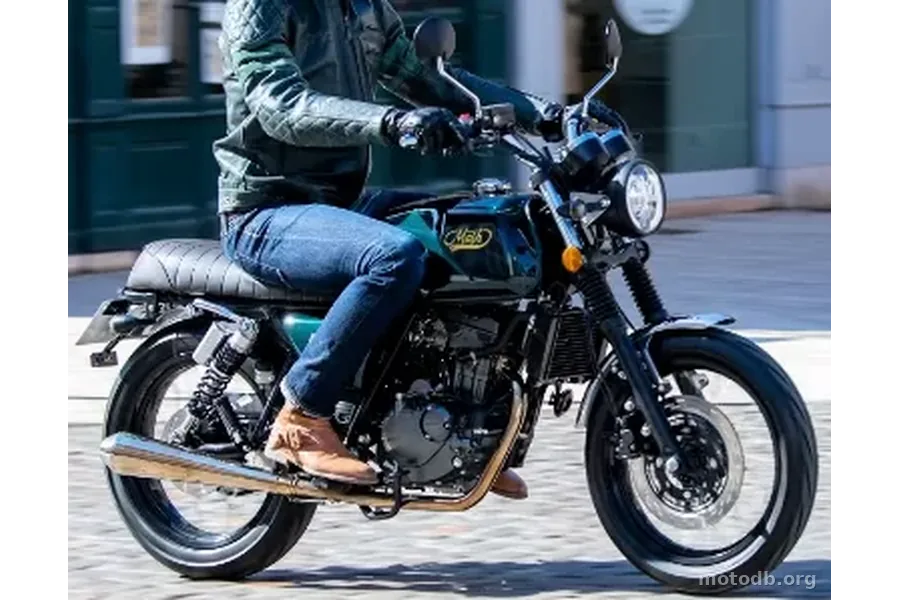
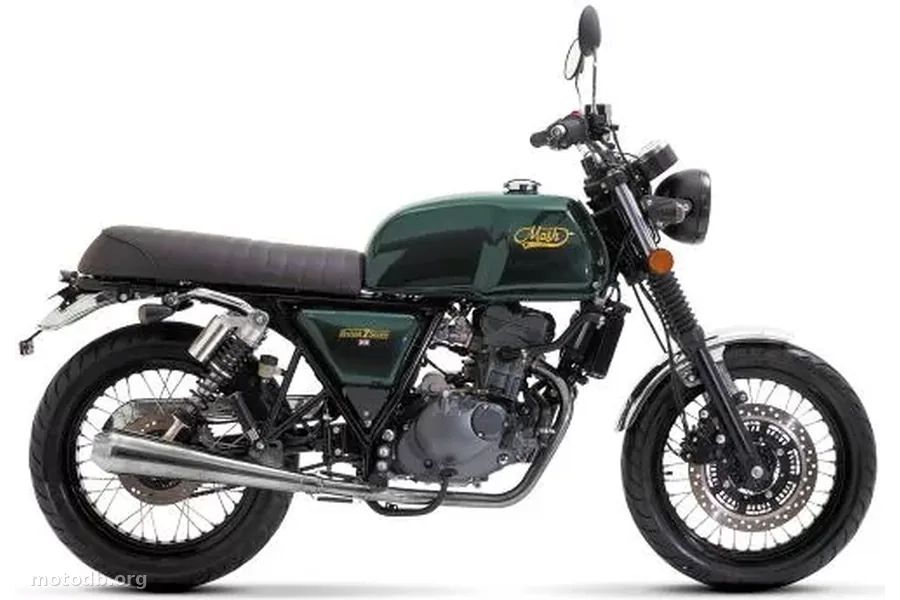
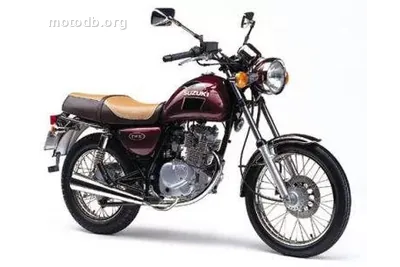
Two names for one machine: that’s the kind of marketing wink that says a lot about Mash’s mindset. Painted black, it’s called Black Seven. In English green, it becomes British Seven. The embroidered Union Jack on the airbox cover completes the picture. You smile, you adhere or not, but the intention is clear: this 125 is looking more towards the outskirts of London than the streets of Shanghai, even if its Asian origins deceive no one.
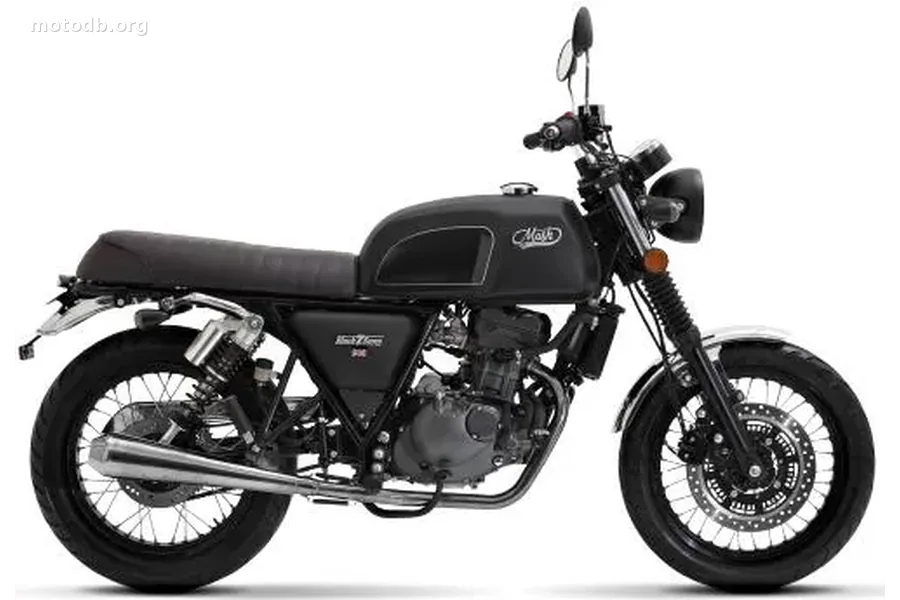
Stylistically, the Seven occupies a well-defined niche. Spoked wheels, tapered exhaust, metal front fender, long, sculpted two-seater saddle, a few touches of chrome placed sparingly: all the retro kit is there, but served with an extra dose of aggression compared to the Seventy, its wiser cousin in the same range. The comparison with the Orcal Astor naturally imposes itself; the two machines compete for the same territory of accessible neo-retro, with similar arguments and identical positioning. Mash has since seen other challengers arrive, but it holds its own without surrendering.
What really changes in 2021 is under the tank. Mash has turned its back on the old engine to source from Korean manufacturer Hyosung. The result justifies the change of supplier: liquid cooling, four valves per cylinder, six-speed gearbox. The Seventy displays 11 horsepower with its outdated engine; the Seven claims 15 horsepower at 9,000 rpm, a significant difference for a 124 cc displacement. The top speed announced at 110 km/h places the machine within the highway standard, which is not insignificant for an A1 license. The downside of this modernity is the weight: 137 kg in running order, which remains within the average of the segment without being an argument of lightness.
Safety also steps up a gear with the arrival of ABS on the front braking system, a two-piston caliper clamping a 300 mm disc, backed up by a 220 mm rear disc. The twin-dial analog dashboard gains a digital window and a gear indicator, two details that make a difference in everyday use. The Seven also retains its practical attributes: center stand, removable stainless steel exhaust, LED rear light and Fat Bar handlebars. It is precisely these finishes that justify its positioning as the most accomplished 125 in the Mash catalog.
The problem is the price. At 3,799 euros, the Seven has crossed an important psychological threshold. The mechanical upgrade has translated into a price increase of over a thousand euros compared to the old version, which places the machine facing a more established and better-funded competition. For a young A1 license holder or an urban dweller looking for a motorcycle with character, the question of budget becomes central. The Seven deserves the investment if the British style and modern mechanics are priorities; it requires, however, a real reflection if one is simply looking for the cheapest 125 possible to get around.
Standard equipment
- Assistance au freinage : Frenado combinado
Practical info
- La moto est accessible aux permis : A
Reviews & comments
No reviews yet. Be the first to share your opinion!