Key performance
Technical specifications
Engine
- Displacement
- 1700 cc
- Power
- 73.0 ch @ 5000 tr/min (53.7 kW)
- Torque
- 136.3 Nm @ 2750 tr/min
- Engine type
- Bicylindre en V, 4 temps
- Cooling
- liquide
- Compression ratio
- 9.5:1
- Bore × stroke
- 102 x 104 mm
- Valves/cylinder
- 4
- Camshafts
- 1 ACT
- Fuel system
- Injection Ø 46 mm
Chassis
- Frame
- double berceau en acier
- Gearbox
- boîte à 6 rapports
- Final drive
- Courroie
- Front suspension
- fourche téléhydraulique Ø 43 mm, déb : 140 mm
Brakes
- Front brakes
- Freinage 2 disques Ø 300 mm, étrier 2 pistons
- Rear brakes
- Freinage 1 disque Ø 300 mm, étrier 2 pistons
- Front tyre
- 130/90-16
- Rear tyre
- 170/70-16
Dimensions
- Seat height
- 730.00 mm
- Fuel capacity
- 20.00 L
- Weight
- 378.00 kg
- New price
- 16 399 €
Overview
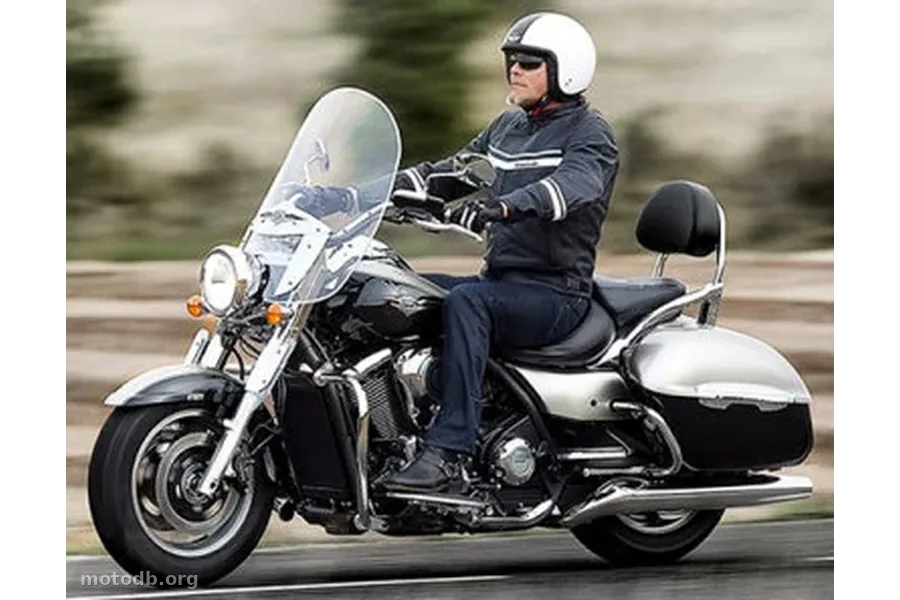
Who said Japanese cruisers lacked personality next to the Milwaukee horde? In 2015, Kawasaki reshuffled the deck and rebranded its custom lineup, dropping the VN prefix in favor of the American name Vulcan. In the process, the former Tourer became the Nomad, a name change that already sounds better on a Route 66 postcard. The Kawasaki Vulcan 1700 Nomad thus takes its place in the middle of the catalog, between the more stripped-down Classic and the Voyager, a pachyderm plated in plastic up to its ears.
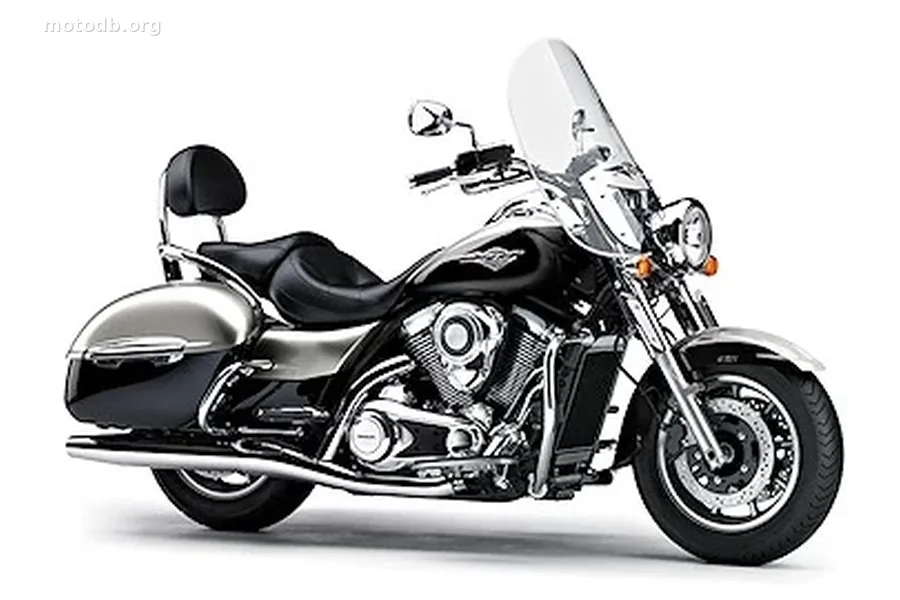
Beneath the large 20-liter tank purrs a 1700 cc V-twin, a four-stroke block with generous dimensions (102 x 104 mm bore and stroke), cranking out 73 horsepower at 5000 rpm and, above all, 136.3 Nm of torque available from 2750 rpm. That's the kind of curve that explains why these machines are ridden by the throttle rather than the gearbox. Compression stays reasonable (9.5:1), the four valves per cylinder keep watch, and the belt drive paired with a six-speed gearbox delivers the smoothness expected in this segment. It's clean, it's linear, it's built to swallow miles without ever raising its voice.
Let's be honest, the 378 kg wet weight is noticeable at a standstill, and the 43 mm telehydraulic fork with its 140 mm of travel has to cope with a mass that would make a Harley Road King look slim. Once underway, the Nomad settles in, holds its line, and its double-cradle steel frame delivers that reassuring on-rails sensation. The seat, perched at just 730 mm, lets smaller riders plant both feet flat on the ground, a decisive argument against a taller Yamaha XV1900 Midnight Star. Braking, with two 300 mm front discs squeezed by two-piston calipers and a single rear disc, does the job without shining, but you have to anticipate: a mass like this doesn't stop like a sportbike.
The equipment justifies the touring positioning and the 16,399-euro price tag. Lockable hard side cases, panoramic windshield, cruise control as standard, passenger footboards worthy of meal trays, a sissy bar sized for an actual human back — the dual-riding travel kit is ticked off without having to dig into accessory catalogs. Against an Indian Chief Vintage or a Harley Heritage Softail Classic, the Japanese machine comes in cheaper, better equipped out of the box, and delivers comparable torque without demanding back-to-back dealer services. The 170/70-16 rear tire on a wide rim and the 130/90-16 front stake out a distinctive silhouette, while the claimed top speed of 180 km/h remains more theoretical than useful on this kind of machine.
So who is this Kawasaki Vulcan 1700 Nomad for? Clearly not the Sunday track rider, nor the urban courier who already struggles to maneuver a 650. The Nomad targets the laid-back tourer, the one who wants to head off for three days in the Ardèche with his partner, saddlebags full, without worrying about rain or a sore back. On the used Kawasaki Vulcan 1700 Nomad market, prices have depreciated nicely since launch, making it a serious gateway to the big Japanese cruiser, provided you check the condition of the belt, the steering head bearings, and the side cases, often roughed up over the years. An honest motorcycle, without excessive pretension, that owns its role as a modern stagecoach and its rather successful two-tone color scheme. Neither revolutionary nor disappointing, just competent where you'd expect it to be.
Standard equipment
- Assistance au freinage : ABS de série
Practical info
- La moto est accessible aux permis : A
Indicators & positioning
Similar bikes
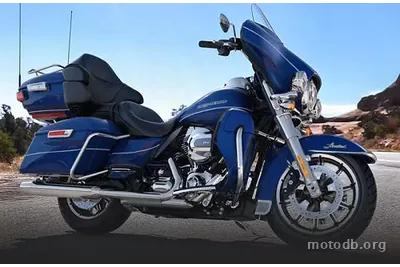
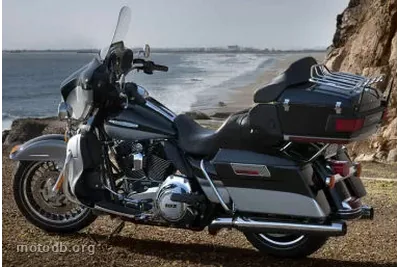
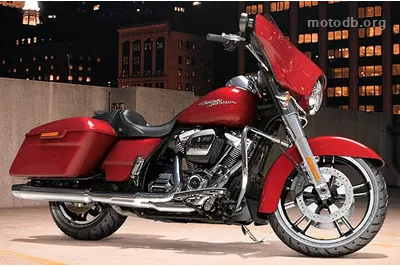
1690 ULTRA LIMITED LOW FLHTKL
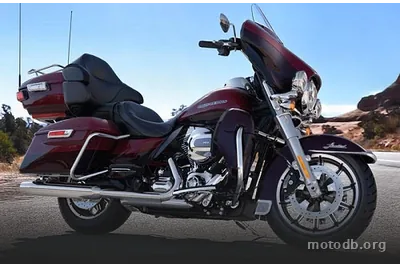
Electra Glide Ultra Limited 1690 FLHTK
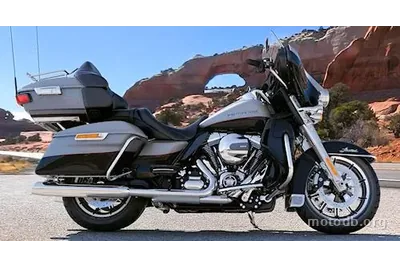
1690 ULTRA LIMITED FLHTK
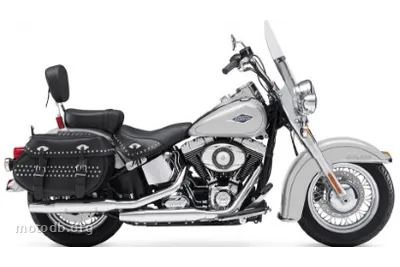
Heritage Softail Classic
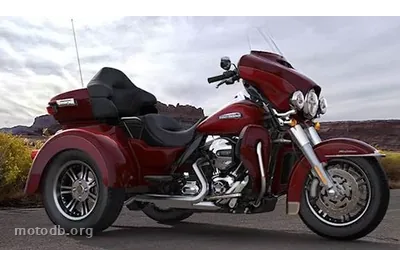
1690 TRI GLIDE ULTRA FLHTCUTG
Reviews & comments
No reviews yet. Be the first to share your opinion!