Key performance
Technical specifications
Engine
- Displacement
- 399 cc
- Power
- 77.0 ch @ 14500 tr/min (56.6 kW)
- Torque
- 39.2 Nm @ 13000 tr/min
- Engine type
- 4 cylindres en ligne, 4 temps
- Cooling
- liquide
- Compression ratio
- 12.3 : 1
- Bore × stroke
- 57 x 39.1 mm
- Valves/cylinder
- 4
- Camshafts
- 2 ACT
- Fuel system
- Injection Ø 34 mm
- Starter
- électrique
Chassis
- Frame
- Treillis tubulaire en acier
- Gearbox
- boîte à 6 rapports
- Final drive
- Chaîne
- Front suspension
- Fourche téléscopique Ø 37 mm
- Rear suspension
- Mono-amortisseur
Brakes
- Front brakes
- Freinage 2 disques Ø 290 mm, fixation radiale, étrier 4 pistons
- Rear brakes
- Freinage 1 disque Ø 220 mm, étrier simple piston
- Front tyre
- 120/70-17
- Rear tyre
- 160/60-17
Dimensions
- Seat height
- 800.00 mm
- Seat type
- Selle biplaces
- Fuel capacity
- 15.00 L
- Weight
- 189.00 kg
- New price
- 8 899 €
Overview
Thirty years. That's how long fans of screaming small-bore sportbikes had been waiting for this. Since the demise of the ZXR 400, VFR 400, and other GSX-Rs of the same caliber, the compact four-cylinder segment seemed doomed, sacrificed at the altar of tame twins and emission regulations. Kawasaki revives this forgotten category with the Ninja ZX-4R 400, a machine that shares only its silhouette with the twin-cylinder Ninja 400. Beneath the fairing, everything is different. And above all, far sharper.
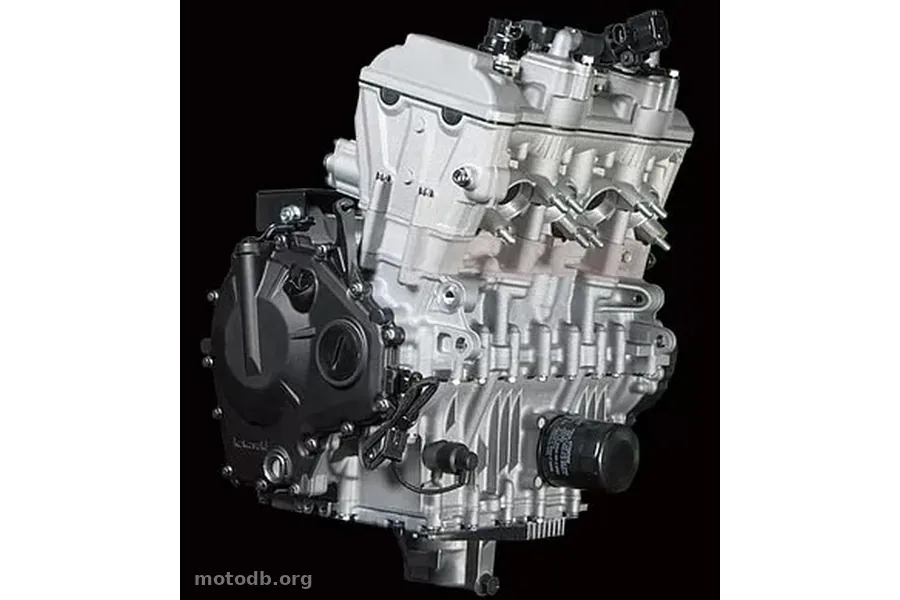
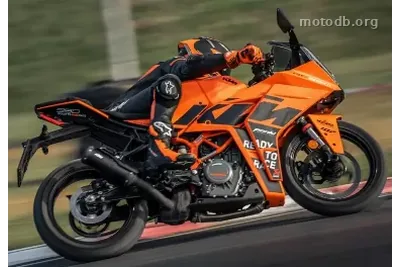
The heart of the matter is this 399 cc inline four-cylinder producing 77 hp at 14,500 rpm and 28.9 lb-ft of torque at 13,000 rpm. The numbers speak for themselves: when a KTM RC 390, a Yamaha R3, or Kawasaki's own Ninja 400 top out between 40 and 45 hp, the ZX-4R delivers nearly double. A compression ratio of 12.3:1 and a 57 mm bore paired with a tiny 39.1 mm stroke confirm its calling: this engine lives in the upper rev range. You'll need to wring it past 10,000 rpm to feel the rush, but once it gets going, the surge to redline promises sensations that only a four-cylinder can deliver. The trade-off is predictable: at low revs, the character will feel hollow. Nobody is going to buy this bike for a leisurely ride around town.
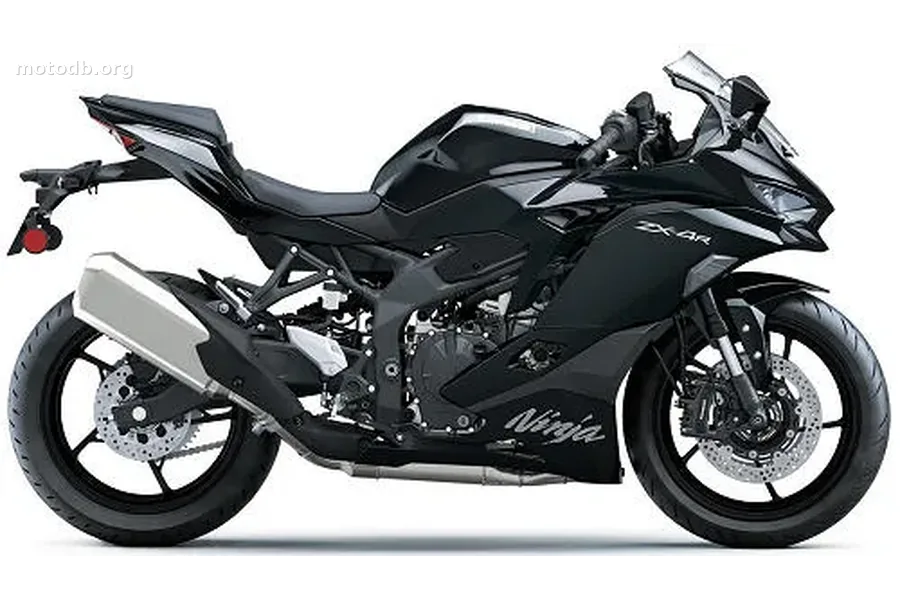
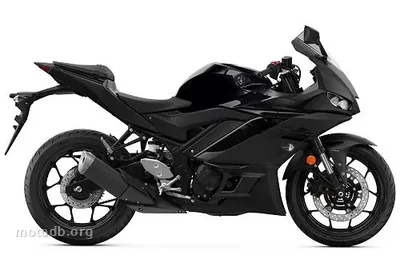
On the chassis side, Kawasaki uses a tubular steel trellis frame, a 37 mm telescopic fork, and a rear mono-shock. Braking hasn't been overlooked: dual 290 mm discs up front with radial-mount four-piston calipers, and a 220 mm disc at the rear. The 120/70-17 and 160/60-17 tires place the machine in standard sportbike territory. At 417 lbs wet and with a seat height of 31.5 inches, the ZX-4R remains physically accessible, even if its clip-on riding position makes it clear that its preferred playground is the track. Onboard electronics include traction control, four riding modes, and a color TFT display featuring a dedicated track layout with a prominent tachometer and lap timer. The RR version adds a bi-directional quickshifter and more advanced suspension, borrowed from the ZX-10R philosophy.
That leaves the question everyone is asking: what is the price of the 2024 Kawasaki Ninja ZX-4R 400? The base version comes in at $8,199. That's not cheap for a 400 — it's even in the same ballpark as a Ninja 650, which offers a parallel twin far more generous in midrange torque and vastly superior versatility. But the comparison doesn't really hold up: you don't choose the ZX-4R for its versatility. You choose it for the thrill of a small four-cylinder screaming its heart out at 15,000 rpm. On the other side, the Yamaha R7 and Aprilia RS 660 play in a higher displacement class with powerplants that are more usable in everyday riding, but they don't offer that exhaust note or that insane power-to-displacement ratio of 192 hp per liter.
This Kawasaki is aimed at a very specific audience: track enthusiasts who love precise riding, those who prefer cornering accuracy over brute force, those who find their pleasure in the discipline of keeping an engine in its power band. Beginners and long-distance tourers need not apply, and that's just fine. The ZX-4R isn't trying to please everyone. It resurrects a concept the industry buried too soon, and while the price of the Kawasaki Ninja ZX-4R 400 may seem steep for the displacement, it's justified by an engine and equipment package that has no equivalent in the segment.
Standard equipment
- Assistance au freinage : ABS
- Nombre de mode de conduite : 4
- Taille de l'écran TFT couleur : 10,92 cm / 4.3 pouces
- Bluetooth
- Contrôle de traction
Practical info
- La moto est accessible aux permis : A
Reviews & comments
No reviews yet. Be the first to share your opinion!