Key performance
Technical specifications
Engine
- Displacement
- 399 cc
- Power
- 45.0 ch @ 10000 tr/min (33.1 kW)
- Torque
- 37.3 Nm @ 8000 tr/min
- Engine type
- Bicylindre parallèle, 4 temps
- Cooling
- Liquid
- Compression ratio
- 11.5:1
- Bore × stroke
- 70.0 x 51.8 mm (2.8 x 2.0 inches)
- Valves/cylinder
- 4
- Camshafts
- 2 ACT
- Fuel system
- Injection. DFI® with dual 32mm throttle bodies
- Valve timing
- Double Overhead Cams/Twin Cam (DOHC)
- Ignition
- TCBI w/digital advance
- Starter
- Electric
Chassis
- Frame
- Trellis, high-tensile steel
- Gearbox
- 6-speed
- Final drive
- Chain (final drive)
- Clutch
- Assist and Slipper Clutch
- Front suspension
- 41mm hydraulic telescopic fork
- Rear suspension
- Horizontal back-link with adjustable spring preload
- Front wheel travel
- 119 mm (4.7 inches)
- Rear wheel travel
- 130 mm (5.1 inches)
Brakes
- Front brakes
- Single disc. Single petal-type disc with 2-piston calipers. Optional ABS.
- Rear brakes
- Single disc. Single petal-type disc with single-piston caliper. Optional ABS.
- Front tyre
- 110/70-17
- Front tyre pressure
- 2.00 bar
- Rear tyre
- 150/70-17
- Rear tyre pressure
- 2.25 bar
Dimensions
- Seat height
- 785.00 mm
- Wheelbase
- 1369.00 mm
- Ground clearance
- 140.00 mm
- Length
- 1989.00 mm
- Width
- 711.00 mm
- Height
- 1120.00 mm
- Fuel capacity
- 3.70 L
- Weight
- 168.00 kg
- Dry weight
- 164.00 kg
- New price
- 6 749 €
Overview
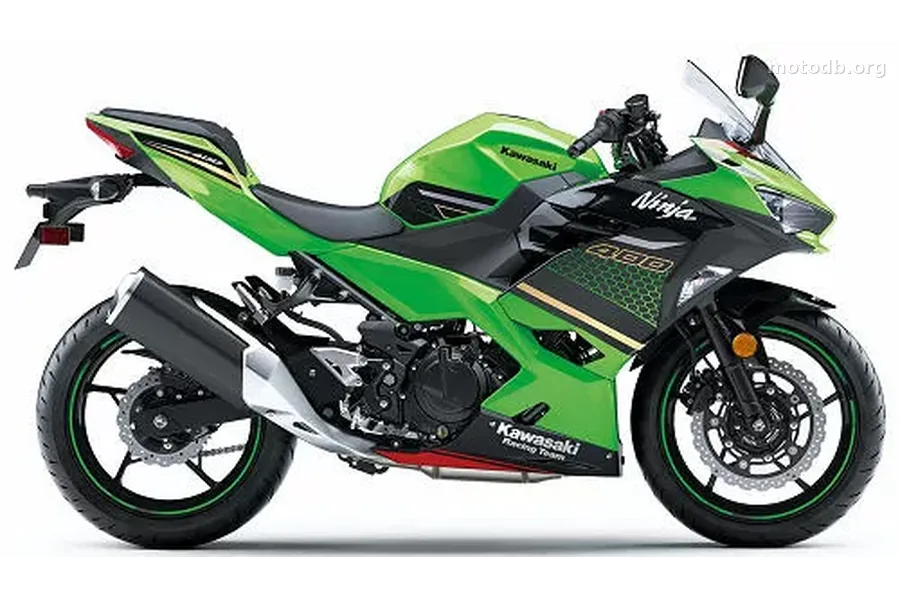
But where had the Ninja 400 gone? This young Kawasaki sportbike, originally suited to the A2 license, had disappeared from radars after the 2020 season. Where had it been dragging its footpegs all that time? That doesn't concern us. But upon its return, it stopped at the "engine compliance" workshop to get the Euro5 badge. Thus revised, the 4-cents can return to the European market.
With the same face. This Ninja receives no retouching, except for the update of the color schemes. The engine recalibration has made it cleaner without touching its maximum power of 45 hp. Only the torque is reduced, by only 0.1 mkg. Lovers of "first sportbike" will be delighted to find this fun and easy, chunky bumblebee, with a taut and flattering design. We should find it in stores in the fall of 2022, 2023 models.
The low-size Ninja has asserted itself over time. How far she is from the meager Ninja 250 R, the 400’s grandmother. It was in 2018 that the latter settled in, with enough to place itself in a category lacking recognition (even if the WSPP 300 enlivens the pilots). For it, Kawasaki designed a new engine with as much care as the mills of higher displacement classes. A great deal of work was done on the air intake. An optimized flow and a good-sized airbox (5.8 L) are there to facilitate engine speed. The left and right intake funnels are of different heights to contribute to a smoother engine response and to attenuate torque dips.
Furthermore, the machine is equipped with a ‘Assist & Slipper’ double-came clutch to soften the clutch lever pull and prevent rear wheel lockup in case of violent downshifts. Overall, the engine was designed to be as compact as possible, so its weight and dimensions are almost identical to those of the previous Ninja 300cm3, its predecessor.
Other solutions have also helped to reduce the weight of the motorcycle (lighter frame and swingarm, forged camshafts, compact clutch, reduction of the amount of liquid carried, lighter exhaust). The Ninja 400 announces 168 kg. Among the welcome refinements, we note the patented system that places the fan behind the radiator and which allows the hot air to be evacuated away from the rider to avoid large heat blasts in traffic jams. The other advantage being to limit the insulating parts to save precious grams.
Its tubular trellis frame is partially inspired by that of the Ninja H2, to ensure good rigidity without weighing down the machine. Another similarity with the H2, the swingarm is directly connected to the engine, which therefore plays an essential role in the rigidity of the motorcycle. This allows for a long swingarm while maintaining a short wheelbase of 1370 mm for more maneuverability and stability. On the periphery, the 41 mm telescopic fork is stiffened and the rake angle is more closed, which should improve precision compared to the Ninja 300. For the rear suspension, the Ninja retains a adjustable preload mono-shock. On the wheels, it adopts 5-spoke star-shaped rims similar to those of the Ninja 650. The rear tire is 150 mm wide, rather wide for its power level. For braking, the front will be slowed by a 310 mm semi-floating petal disc and bitten by a two-piston caliper. The rear braking is entrusted to a 220mm petal disc and a two-piston caliper. All with a classic ABS.
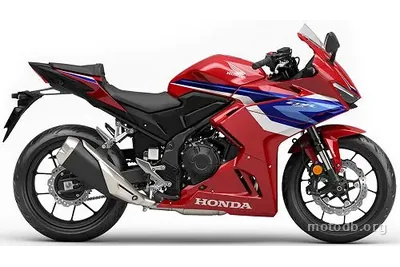
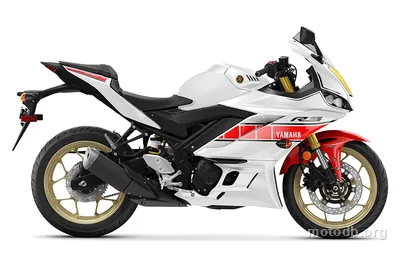
The riding position is sporty but not radical. The 785 mm seat height and narrow front will allow small riders to always easily place their feet on the ground. The design has also evolved. Inspired by the ZX 10-R, it does not forget to make winks to the H2, which is the master standard of sportiness at Kawa. The drawing of the Ninja 400 has presence. In profile, we notice a determined front end with a higher nose and a frank gaze. The lineage with the H2 is emphasized by the two small spoilers that take place under each headlight. Same for the rear seat. The entire front/rear lighting is full LED.
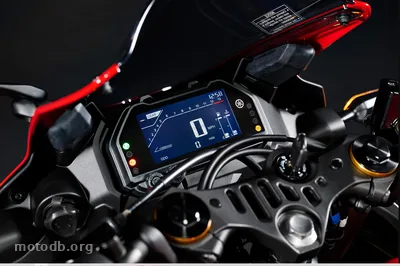
The instrumentation has everything of a great one too! This Ninja 400 benefits from the dashboard of the old Ninja 650 with its needle tachometer framed on the left of a bar of warning lights and on the right of a large multifunction LCD screen. The gear indicator is therefore part of the package and only the shift-light disappears during the graft. No TFT yet but that will come one day. If the tank only holds 14 liters, the machine's range is estimated at 350 km. You've got it, this little motorcycle has all the ingredients to enjoy in the virolos of our little country roads without risking losing your license on the first straight line…
M.B - Photos constructeur
Standard equipment
- Assistance au freinage : ABS
Practical info
- La moto est accessible aux permis : A
Reviews & comments
No reviews yet. Be the first to share your opinion!