Key performance
Technical specifications
Engine
- Displacement
- 998 cc
- Power
- 134.0 ch (98.6 kW)
- Engine type
- 4 cylindres en ligne, 4 temps
- Cooling
- liquide
- Bore × stroke
- 76 x 55 mm
- Valves/cylinder
- 4
- Camshafts
- 2 ACT
- Fuel system
- Injection + compresseur
- Starter
- électrique
Chassis
- Frame
- treillis tubulaire en tubes d'acier
- Gearbox
- boîte à 6 rapports
- Final drive
- Chaîne
- Front suspension
- Fourche téléhydraulique inversée Ø 43 mm, déb : 120 mm
- Rear suspension
- Mono-amortisseur et monobras, déb : 139 mm
Brakes
- Front brakes
- Freinage 2 disques Ø 320 mm, fixation radiale, étrier 4 pistons
- Rear brakes
- Freinage 1 disque Ø 250 mm, étrier 2 pistons
- Front tyre
- 120/70-17
- Rear tyre
- 190/55-17
Dimensions
- Fuel capacity
- 3.50 L
Overview
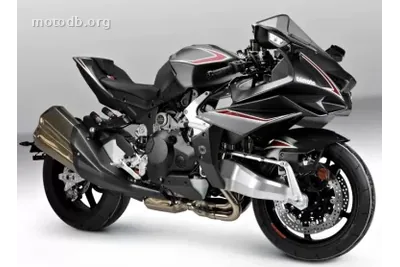
Motorcycle: Kawasaki Ninja H2 HySE (2025)
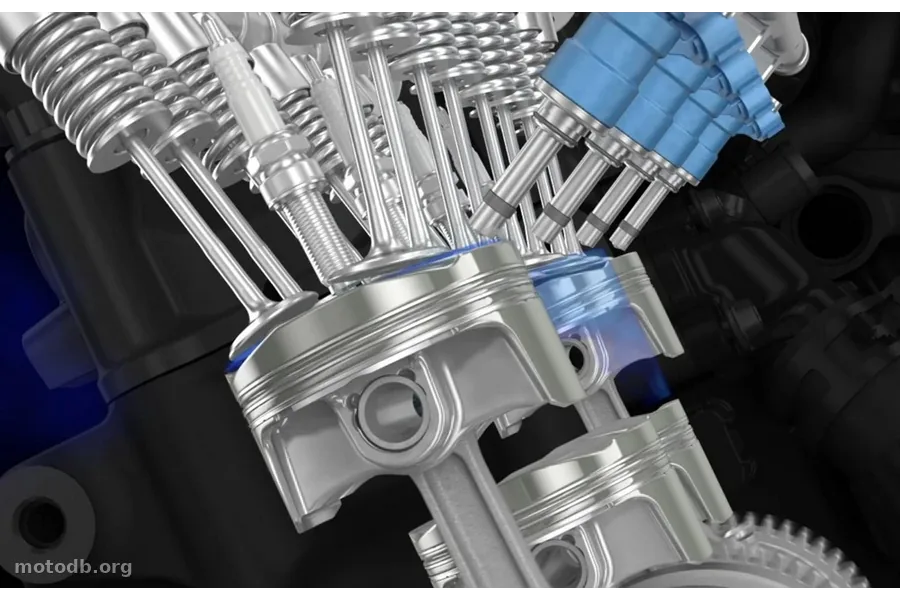
Kawasaki is experimenting with multiple mobility solutions and new technologies to drive its future. Its Ninja H2 HySE prototype demonstrates one of the paths being explored, with the most abundant element in the universe. This motorcycle with a hydrogen-powered internal combustion engine was designed and built as part of research that began in March 2023, with testing beginning this year, culminating in public demonstrations.
The machine is equipped with an engine based on the 998 cm3 supercharged inline four-cylinder found in the Kawasaki Ninja H2, with modifications made to allow direct hydrogen injection into the cylinders. The motorcycle's chassis was designed to accommodate 25-liter hydrogen tanks in the saddlebags and an on-board hydrogen supply system.
Thanks to hydrogen combustion, the engine only emits water; and a tiny bit of CO2 due to the minuscule amounts of engine oil burned.
As part of its carbon neutrality initiative, Kawasaki Motors is currently conducting research and development with the aim of realizing a hydrogen-powered internal combustion engine motorcycle as an option for riders from the early 2030s.
Credit for information and images: Kawasaki
Standard equipment
- Assistance au freinage : ABS
- Nombre de mode de conduite : 3
- Taille de l'écran TFT couleur : 16,51 cm / 6.5 pouces
- Jantes aluminium
- Béquille centrale
Practical info
- La moto est accessible aux permis : A
- Pays de fabrication : Japon
Reviews & comments
No reviews yet. Be the first to share your opinion!