Key performance
Technical specifications
Engine
- Displacement
- 998 cc
- Power
- 180.0 ch @ 12500 tr/min (132.4 kW)
- Torque
- 112.8 Nm @ 10000 tr/min
- Engine type
- 4 cylindres en V à 65°, 4 temps
- Cooling
- liquide
- Compression ratio
- 13 : 1
- Bore × stroke
- 78 x 52.3 mm
- Valves/cylinder
- 4
- Camshafts
- 2 ACT
- Fuel system
- Injection Ø 48 mm
Chassis
- Frame
- Double poutre périmétrique en aluminium
- Gearbox
- boîte à 6 rapports
- Final drive
- Chaîne
- Front suspension
- Fourche téléhydraulique inversée Ø 43 mm, déb : 120 mm
- Rear suspension
- Mono-amortisseur, déb : 130 mm
Brakes
- Front brakes
- Freinage 2 disques Ø 320 mm, fixation radiale, étrier 4 pistons
- Rear brakes
- Freinage 1 disque Ø 220 mm, étrier 2 pistons
- Front tyre
- 120/70-17
- Rear tyre
- 190/55-17
Dimensions
- Seat height
- 845.00 mm
- Fuel capacity
- 17.00 L
- Dry weight
- 182.00 kg
- New price
- 14 999 €
Overview
When Noale decides to play with the big boys, it results in a 180 horsepower machine weighing 182 kilograms dry, capable of nearing 300 km/h with mechanical decency that many of its rivals struggle to display. The RSV4-R 2012 model in its APRC version is not a cosmetic evolution: it is the culmination of an engineering effort that draws as much from Superbike paddocks as from civil development workshops.
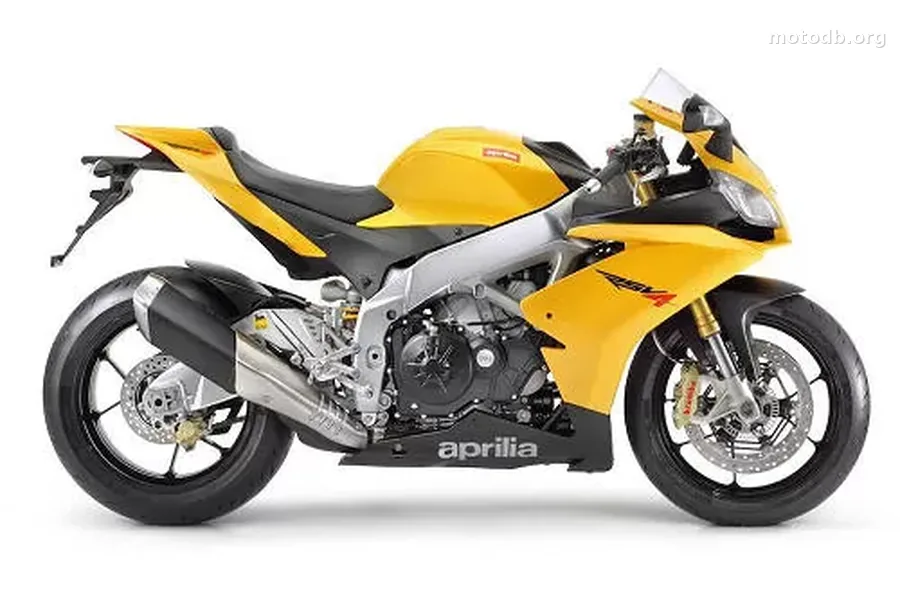
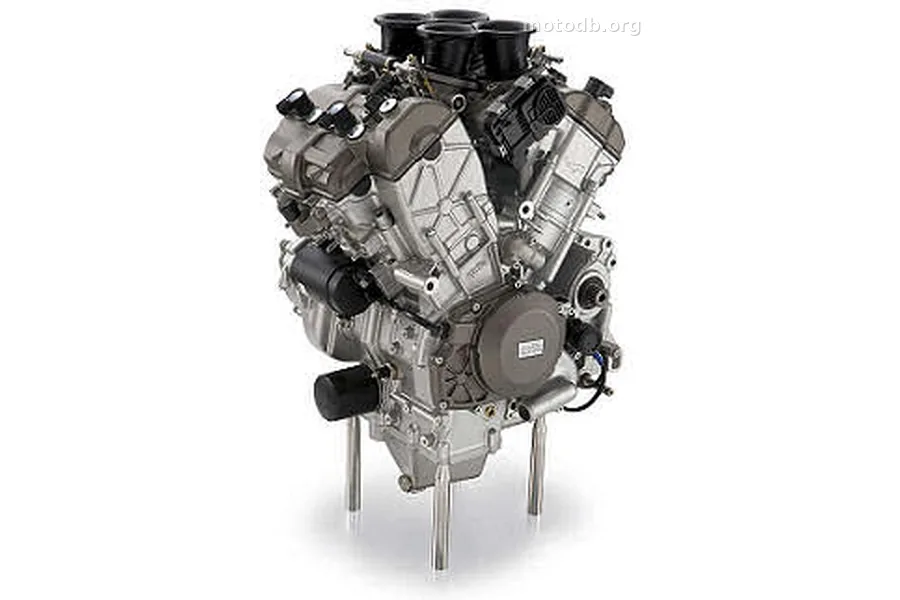
The 65-degree V4, 998 cc, short bore of 78 mm for a stroke of 52.3 mm, turns at 12,500 rpm to deliver its maximum power. Torque, 112.8 Nm at 10,000 rpm, is not the most flattering figure in its category on paper, but the reality on the road quickly sweeps aside Excel spreadsheets. Facing a Yamaha R1 or a BMW S1000RR of the same era, the Italian responds with agility in direction changes that its perimeter aluminum twin-spar frame makes almost addictive. The chassis is Aprilia's sledgehammer argument, and this version does not contradict that reputation.
What distinguishes this APRC version from previous RSV4 models is the democratization of electronics long reserved for special editions. Four modules compose this package: an adjustable traction control system with eight levels that can even adapt to the profile of the fitted tire, a programmable anti-wheelie system, a launch control system with three positions, and a quickshifter without clutch for gear changes. All without compromising mechanical spontaneity. These assists do not seek to replace the rider; they seek to accompany him where his reflexes alone would be overwhelmed.
To justify the €14,999 requested, Aprilia has also lightened the energy and physical bill of the machine: lighter rims, three lowest gears shortened for a more responsive pull out of tight corners, reworked exhaust line, two kilograms lost on the scale. These are not details. On a motorcycle of this caliber, two kilograms represent a gain in apparent rigidity and dynamism perceptible from the first corners.
This RSV4-R is aimed at a rider who knows what he is doing. Not necessarily a professional racer, but someone who has digested the basics and is looking for a machine that is honest in its responses, without artificial filtering between the command and the execution. The 845 mm seat height and sporty ergonomics close the door to beginners. In exchange, it opens the door to a riding experience that few manufacturers, at this price, were capable of offering in 2012. Aprilia had simply understood before others that racing technology only makes sense if it remains accessible to those who really want to use it.
Practical info
- La moto est accessible aux permis : A
Indicators & positioning
Similar bikes
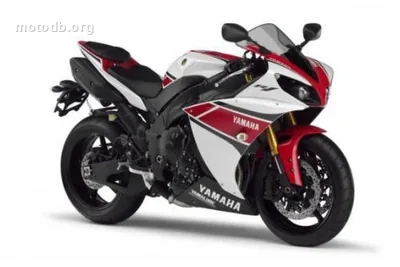
YZF-R1 1000 WGP 50th Anniversary
Reviews & comments
No reviews yet. Be the first to share your opinion!