Key performance
Technical specifications
Engine
- Displacement
- 998 cc
- Power
- 182.0 ch @ 12500 tr/min (133.9 kW)
- Torque
- 114.7 Nm @ 10000 tr/min
- Engine type
- 4 cylindres en ligne, 4 temps
- Cooling
- liquide
- Compression ratio
- 12.7 : 1
- Bore × stroke
- 78 x 52.2 mm
- Valves/cylinder
- 4
- Camshafts
- 2 ACT
- Fuel system
- Injection Ø 45 mm
Chassis
- Frame
- Deltabox en aluminium
- Gearbox
- boîte à 6 rapports
- Final drive
- Chaîne
- Front suspension
- Fourche téléhydraulique inversée Ø 43 mm, déb : 120 mm
- Rear suspension
- Mono-amortisseur, déb : 120 mm
Brakes
- Front brakes
- Freinage 2 disques , fixation radiale, étrier 6 pistons
- Rear brakes
- Freinage 1 disque Ø 220 mm, étrier simple piston
- Front tyre
- 120/70-17
- Rear tyre
- 190/55-17
Dimensions
- Seat height
- 835.00 mm
- Fuel capacity
- 18.00 L
- Weight
- 206.00 kg
- New price
- 17 699 €
Overview
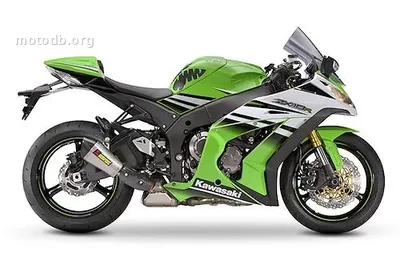
Do you remember that period, around 2012, when the hypersport world shifted? On one side, newcomers like the BMW S 1000 RR or the Kawasaki ZX-10R were deploying electronic weapons and horsepower with abandon. On the other, the Yamaha YZF-R1, aging but still proud, tried to hold its own. This 50th Anniversary Grand Prix edition, with its Replica livery in the colors of the M1 from Laguna Seca, was a bit of a last stand for a generation before the revolution. Limited to 2000 units, it looked stunning with its original Akrapovic silencers and its gaze enhanced by LED lights. But beneath the commemorative varnish lay a motorcycle on borrowed time, which had to make up for a technological gap that had become glaring.
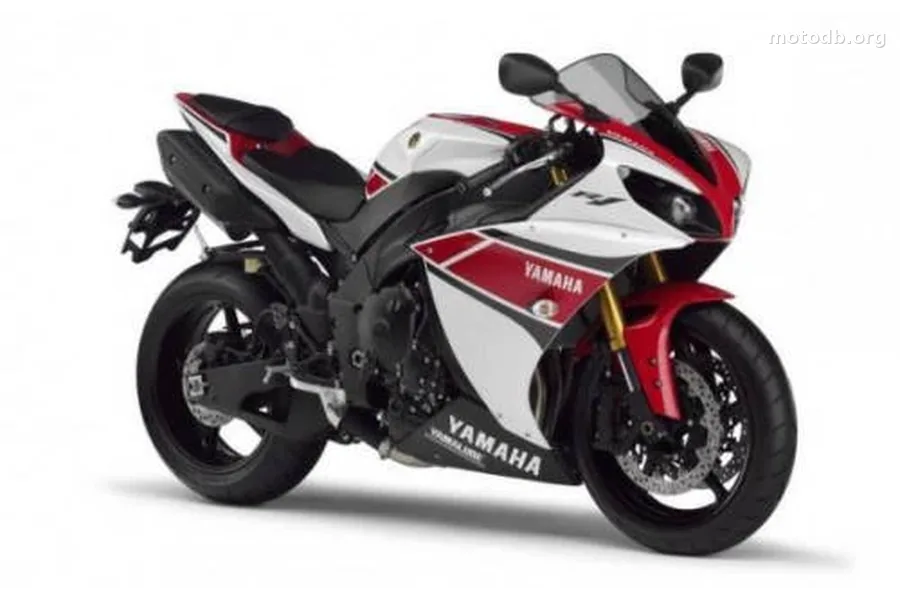
The main addition, and it was crucial, was the arrival of traction control. Yamaha named its system TCS, a regulator using wheel data to moderate injection and ignition as soon as the rear lost grip. Adjustable on six levels, it was added to the three existing engine maps, offering no less than twenty-one possible combinations. For the time, this was a significant step forward, a necessary concession to the spirit of the age. Yet, opening the cover revealed the heart of this R1: its famous 998 cm3 cross-plane inline four-cylinder engine. This engine, with its 270° staggered ignition, remained a marvel of character. Its smooth torque and instinctive driveability were legendary, and its raspy sound, close to a V4, still sent shivers down your spine. But its unchanged 182 horsepower began to look pale compared to the 200 hp and more of the German and Japanese competition.
On the scale, the 206 kg in running order also didn’t play in its favor. The Deltabox frame, adjustable suspension, and radial six-piston braking constituted a healthy and precise base, inherited from the WSBK world title. It remained a track-born machine, a missile with intuitive handling. But it required more engagement, more technique to be exploited to its full potential, whereas its rivals were beginning to flatter the rider with more intrusive electronics and more accessible power. At 17699 euros, this anniversary model placed at the top of the range charged a heavy premium for the decoration and the Akrapovic, while the essential – the raw performance – was surpassed.
This YZF-R1 WGP 50th Anniversary is therefore a motorcycle with a double face. For the demanding road rider or the amateur track enthusiast seeking pure sensations, it represents the ultimate expression of a philosophy: that of an engine with an unparalleled personality, demanding total symbiosis with its rider. Its cross-plane is a lesson in mechanical sensations. But for those seeking absolute performance and the craziest figures, it was already, in 2012, falling behind. It is an icon, certainly, but a nostalgic one, which closed an era before Yamaha completely redesigned its supersportive. It is aimed at the collector, the aesthete, the rider who prefers dialogue to domination. A final fireworks display, magnificent but already announcing the night.
Practical info
- La moto est accessible aux permis : A
Reviews & comments
No reviews yet. Be the first to share your opinion!