Key performance
Technical specifications
Engine
- Displacement
- 781 cc
- Power
- 106.0 ch @ 10500 tr/min (78.0 kW)
- Torque
- 78.5 Nm @ 8500 tr/min
- Engine type
- 4 cylindres en L à 90°, 4 temps
- Cooling
- liquide
- Compression ratio
- 11.6:1
- Bore × stroke
- 72 x 48 mm
- Valves/cylinder
- 4
- Camshafts
- 2 ACT
- Fuel system
- Injection PGM-FI
- Starter
- électrique
Chassis
- Frame
- double poutre en aluminium
- Gearbox
- boîte à 6 rapports
- Final drive
- Chaîne
- Front suspension
- Fourche téléhydraulique Ø 41 mm, déb : 109 mm
- Rear suspension
- Monobras oscillant Pro-Arm monoamortisseur, déb : 120 mm
Brakes
- Front brakes
- Freinage 2 disques Ø 296 mm, étrier 3 pistons
- Rear brakes
- Freinage 1 disque Ø 256 mm, étrier 3 pistons
- Front tyre
- 120/70-17
- Front tyre pressure
- 2.50 bar
- Rear tyre
- 180/55-17
- Rear tyre pressure
- 2.90 bar
Dimensions
- Seat height
- 805.00 mm
- Seat type
- Selle biplaces
- Fuel capacity
- 21.00 L
- Weight
- 237.00 kg
- Dry weight
- 210.00 kg
- New price
- 11 340 €
Overview
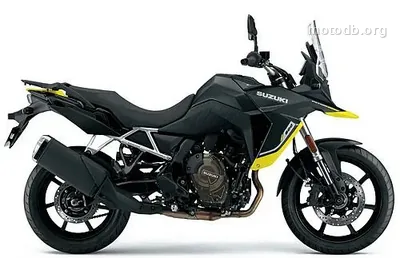
Remember that moment, in the early 2000s, when manufacturers were still playing with the concept of a sporty GT. Honda, for its part, had already planted its flag with a machine that seemed to mock overly narrow categories. The VFR 800 of this generation, the RC46, was not a novelty, but the culmination of a philosophy. We are talking about a 781 cm3 V4, a sonorous and noble architecture, which delivered 106 horsepower at 10,500 rpm. A figure that, today, might seem modest compared to the excess of modern twins, but which at the time signified a promise: that of a civilized engine capable of transforming into fury as soon as the tachometer exceeded the 6000 rpm mark.
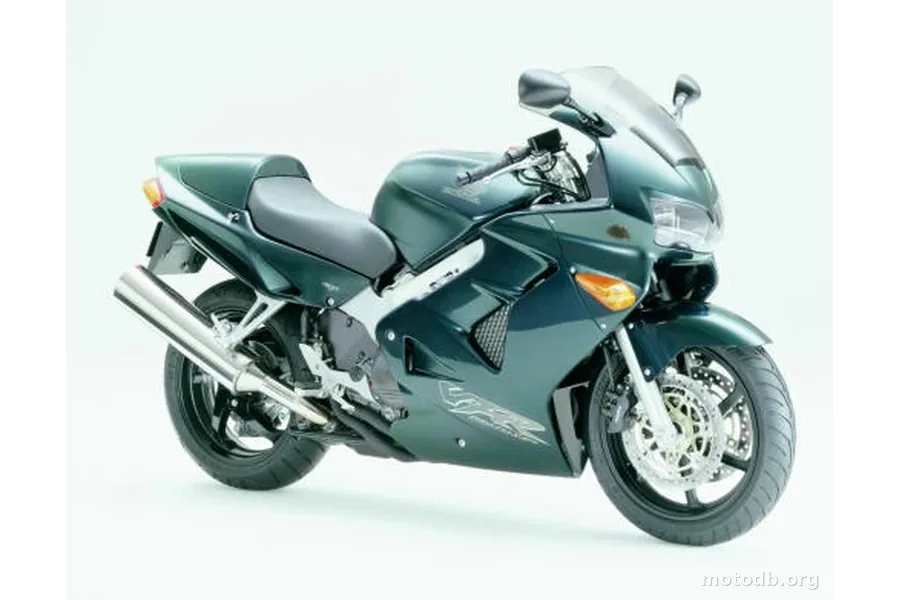
This V4, inspired by the track-going RC45, had its own requirements. It demanded a little patience at low revs, where it did not fill with the voracity of a twin. But this slight initial restraint was the price to pay for an explosion of sensations afterwards, a torque of 78.5 Nm that arrived with surgical precision. The whole was framed by precision mechanics, a gear-train distribution that was the technical signature of this family. On the chassis side, Honda remained faithful to its famous single-sided swingarm and an aluminum twin-spar frame, giving this 237 kg machine fully fueled a road holding of almost military impassivity.
The magic of this VFR lay in its lack of specialization. It was the anti-niche. A seat height of 805 mm and a riding position just balanced between sport and comfort allowed it to cross the city without grimacing, then to devour a mountain pass without flinching. The 21-liter tank promised journeys, the protection was effective, and the braking, with its two 296 mm front discs, was remarkably firm. The Dual-CBS system, which linked the front and rear, offered safety and stopping power that, for many, rivaled the first ABS systems. It was a motorcycle that never forced you to choose between the pleasure of a duo and that of precise trajectories.
Today, viewed through the eyes of 2024, this VFR 800 appears as a monument of balance, perhaps even a little too polished for palates now craving raw character. Its price at the time, around 11,340 euros, was an investment justified by impeccable finish, legendary reliability and a resale value that remained solid. It did not seek to be the most radical, the lightest or the most powerful. It wanted to be the most consistent. For the sporty touring rider who refuses sacrifices, for those who see the motorcycle as a versatile freedom tool, this Honda remains a reference, proof that an intelligent compromise can sometimes create a machine more desirable than any specialist.
Standard equipment
- Assistance au freinage : CBS
Practical info
- La moto est accessible aux permis : A
Indicators & positioning
Similar bikes
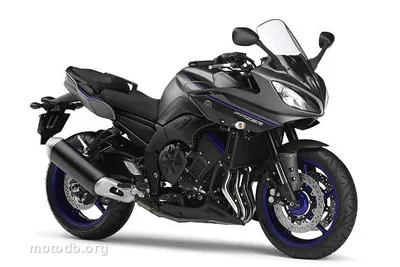
800 FAZER 8 Race Blu
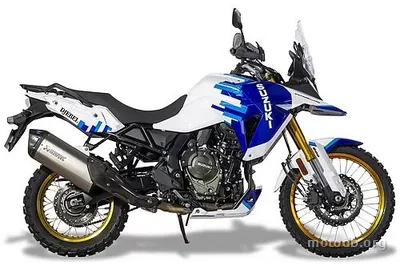
V-Strom 800DE Rally Edition
Reviews & comments
No reviews yet. Be the first to share your opinion!