Key performance
Technical specifications
- Frame
- Diamond; steel pipe → Diamond steel pipe
- Rear brakes
- Single disc → Single disc. Wavy hydraulic disc with single-piston caliper and sintered metal pads
- Front tyre
- 120/70-17 → 4.50-17
- Rear tyre
- 160/60-17 → 3.50-17
Engine
- Displacement
- 670 cc
- Power
- 48.0 ch @ 6250 tr/min (34.3 kW)
- Torque
- 60.0 Nm @ 4750 tr/min
- Engine type
- Twin, four-stroke
- Cooling
- Liquid
- Compression ratio
- 10.7:1
- Bore × stroke
- 73 x 80 mm
- Valves/cylinder
- 4
- Camshafts
- 1 ACT
- Fuel system
- Injection. PGM-FI
- Valve timing
- Single Overhead Cams (SOHC)
- Ignition
- Computer-controlled digital transistorised with electronic advance
- Starter
- Electric
Chassis
- Frame
- Diamond steel pipe
- Gearbox
- 6-speed
- Final drive
- Chain (final drive)
- Clutch
- Wet multiplate (* Wet multiplate, hydraulic 2-clutch)
- Front suspension
- 41mm telescopic fork, 120mm travel
- Rear suspension
- Monoshock damper, Pro-Link swingarm, 120mm travel
Brakes
- Front brakes
- Single disc. Wavy hydraulic disc with 3-piston caliper and sintered metal pads
- Rear brakes
- Single disc. Wavy hydraulic disc with single-piston caliper and sintered metal pads
- Front tyre
- 4.50-17
- Front tyre pressure
- 2.50 bar
- Rear tyre
- 3.50-17
- Rear tyre pressure
- 2.90 bar
Dimensions
- Seat height
- 790.00 mm
- Wheelbase
- 1525.00 mm
- Ground clearance
- 140.00 mm
- Fuel capacity
- 14.10 L
- Weight
- 211.00 kg
- New price
- 5 490 €
Overview
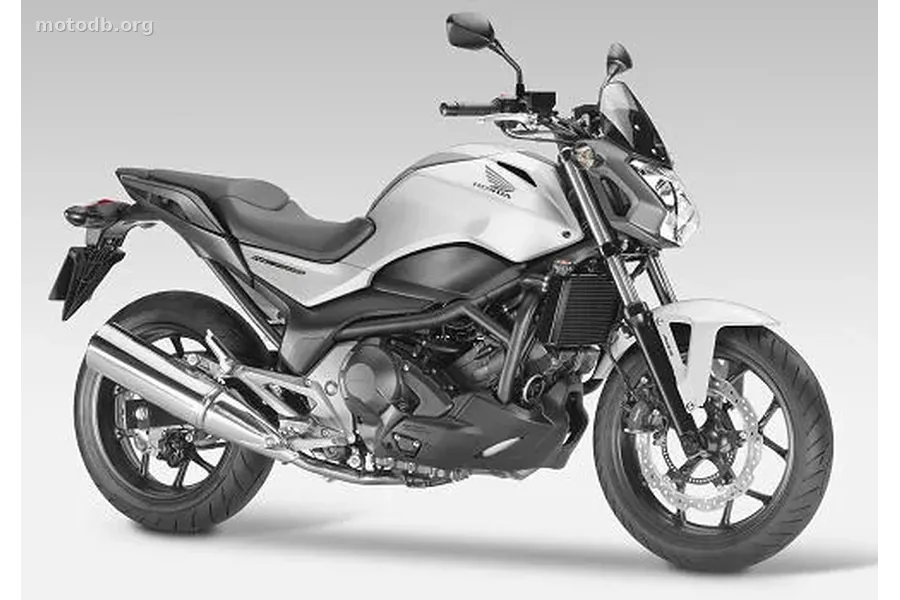
Who remembers the CB 500 and the ER-5, those resourceful bikes that put entire generations in the saddle without draining their bank accounts? The 2013 Honda NC700S falls squarely in that lineage of honest machines, designed for riding rather than showing off. With the introduction of the A2 license, Honda spotted the right niche and laid on the table a roadster built to fit the regulations to a tee. The Honda NC700S spec sheet speaks for itself: 48 horsepower at 6,250 rpm, 60 Nm of torque available from just 4,750 rpm. Not enough to tear up the tarmac, but plenty to weave through city traffic and cruise the main roads without frustration. The 670 cc twin, set at 270 degrees, delivers just enough character to keep things interesting. We're a long way from the arms race that drove Japanese R&D departments through the 2000s. Here, the philosophy boils down to one word: sufficiency. And that's a compliment.
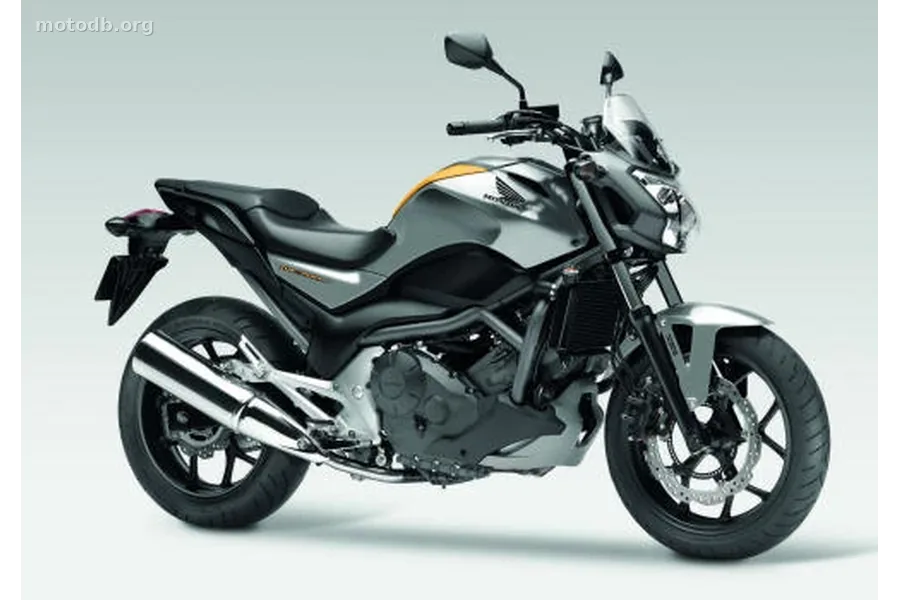
The engine block deserves a closer look, because Honda played the clever engineering card rather than the technological one-upmanship card. A single overhead camshaft drives both the four valves per cylinder and the water pump. The balance shaft also handles the oil pump. A single injector, a single exhaust outlet with a catalytic converter mounted just centimeters from the cylinder head to reach operating temperature faster. Everything is designed to minimize the part count and reduce energy losses. Honda's claimed result: fuel consumption rated at around 3.6 liters per hundred kilometers, although that optimistic figure mainly applies to the Honda NC700S DCT version in eco mode. In real-world use, expect closer to 5.85 liters per hundred. With the 14.1-liter tank housed under the seat, range remains comfortable for daily riding.
Speaking of which, let's talk about the DCT gearbox that generates so much discussion on Honda NC700S forums. The dual-clutch automated transmission, inherited from the VFR 1200, turns the bike into a near-scooter for urban commutes. A fully automatic mode, a sport mode, and the option to shift gears manually with a thumb press. For anyone riding in the city five days out of seven, it's a compelling argument. The standard Honda NC700S clutch cable remains available on the six-speed manual version, and purists won't miss out on anything. But you have to admit that the Honda NC700S DCT test ride wins you over with its ease of use, especially in Parisian or Lyon traffic jams.
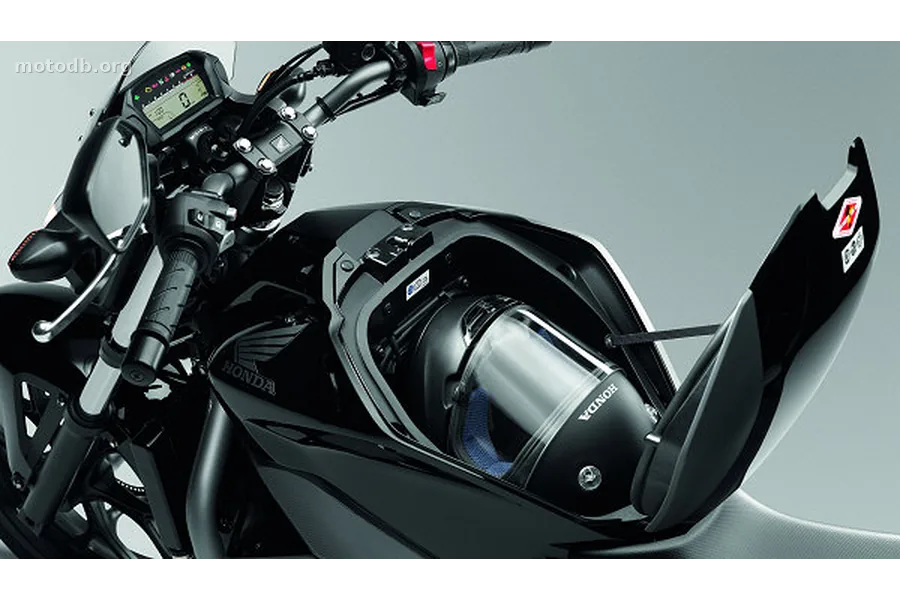
On the chassis side, the diamond-type steel tube frame gets the job done without pretension. The 41 mm telescopic fork and the Pro-Link monoshock each offer 120 mm of travel, enough to soak up cobblestones without flinching. The single front brake disc comes as a surprise on a machine weighing 211 kg wet, but the modest performance of the Honda NC700S doesn't demand more. The optional C-ABS, priced at 500 euros, adds reassuring combined front-rear braking for beginners. The seat height of 790 mm makes this naked bike accessible to most body types, a real asset for an A2-compliant Honda NC700S aimed at new license holders. The trick of tilting the engine forward frees up a storage compartment where the dummy tank would be, large enough to swallow a full-face helmet. Practical, clever, typically Honda.
The Honda NC700S price tag set at 5,490 euros in 2013 placed this roadster in a class of its own. Only 125s and small-displacement bikes did better. Today, the used Honda NC700S remains a safe bet for anyone looking for a reliable and economical first twin. The Honda NC700S derestriction only unlocks 52 horsepower, proof that the engine was never artificially restricted but genuinely designed for this power output. The CB 500 F, arriving a year later, stole a slice of the pie with an even tighter price tag and lower weight. But the NC keeps its own advantages: the built-in storage, the optional DCT transmission, and that metronome-like engine that simply refuses to break down. For a city rider, a new license holder, or a budget-conscious tourer, the 2012-2013 Honda NC700S represents a rational choice that the heart eventually accepts after mile upon mile of trouble-free riding. Not the bike that makes you dream. The one that makes you ride.
Standard equipment
- Assistance au freinage : C-ABS opcional
Practical info
- La moto est accessible aux permis : A
Indicators & positioning
Similar bikes
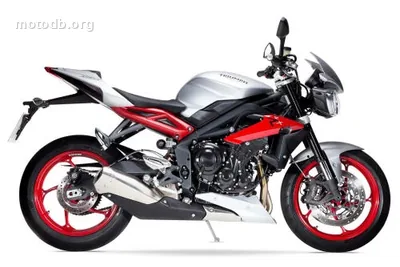
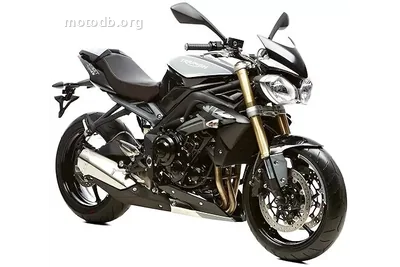
675 STREET TRIPLE R 10ème anniversaire
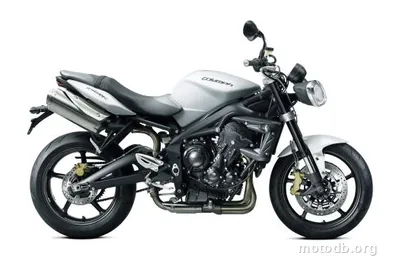
new 675 STREET TRIPLE R
Reviews & comments
No reviews yet. Be the first to share your opinion!