Key performance
Technical specifications
- Power
- 10.0 ch @ 8000 tr/min (8.1 kW) → 10.0 ch @ 7750 tr/min (7.4 kW)
- Torque
- 11.2 Nm @ 6250 tr/min → 10.2 Nm @ 6250 tr/min
- Engine type
- Single cylinder, four-stroke → Monocylindre, 4 temps
- Cooling
- Air → par air
- Compression ratio
- 9.2:1 → 9.2 : 1
- Bore × stroke
- 52.4 x 57.8 mm (2.1 x 2.3 inches) → 52.4 x 57.8 mm
- Fuel system
- Injection. PGM-FI → Injection
- Valve timing
- Overhead Cams (OHC) → —
- Ignition
- Computer controlled fully transistorised with electronic advance → —
- Starter
- Electric → —
- Frame
- Steel → en acier de type diamond
- Gearbox
- 5-speed → boîte à 5 rapports
- Final drive
- Chain (final drive) → Chaîne
- Front suspension
- 30mm telescopic fork → Fourche téléhydraulique Ø 31 mm, déb : 120 mm
- Rear suspension
- Conventional twin shock, double tube damper with 3-step adjustable spring preload → 2 amortisseurs latéraux
- Front wheel travel
- 115 mm (4.5 inches) → —
- Rear wheel travel
- 87 mm (3.4 inches) → —
- Front brakes
- Single disc. 2-pod calliper and resin mould pads → Freinage 1 disque Ø 240 mm, étrier 2 pistons
- Rear brakes
- Expanding brake (drum brake) → Freinage tambour Ø 130 mm
- Front tyre
- 80/100-M17 → 80/100-18
- Rear tyre
- 100/90-M17 → 90/90-18
- Seat height
- 792.00 mm → 775.00 mm
- Wheelbase
- 1270.00 mm → —
- Ground clearance
- 173.00 mm → —
- Length
- 1955.00 mm → —
- Width
- 760.00 mm → —
- Height
- 1110.00 mm → —
- Dry weight
- 128.00 kg → —
- New price
- 2 499 € → 2 649 €
Engine
- Displacement
- 125 cc
- Power
- 10.0 ch @ 7750 tr/min (7.4 kW)
- Torque
- 10.2 Nm @ 6250 tr/min
- Engine type
- Monocylindre, 4 temps
- Cooling
- par air
- Compression ratio
- 9.2 : 1
- Bore × stroke
- 52.4 x 57.8 mm
- Valves/cylinder
- 2
- Camshafts
- 1 ACT
- Fuel system
- Injection
Chassis
- Frame
- en acier de type diamond
- Gearbox
- boîte à 5 rapports
- Final drive
- Chaîne
- Front suspension
- Fourche téléhydraulique Ø 31 mm, déb : 120 mm
- Rear suspension
- 2 amortisseurs latéraux
Brakes
- Front brakes
- Freinage 1 disque Ø 240 mm, étrier 2 pistons
- Rear brakes
- Freinage tambour Ø 130 mm
- Front tyre
- 80/100-18
- Front tyre pressure
- 1.75 bar
- Rear tyre
- 90/90-18
- Rear tyre pressure
- 2.25 bar
Dimensions
- Seat height
- 775.00 mm
- Fuel capacity
- 13.00 L
- Weight
- 128.00 kg
- New price
- 2 649 €
Overview
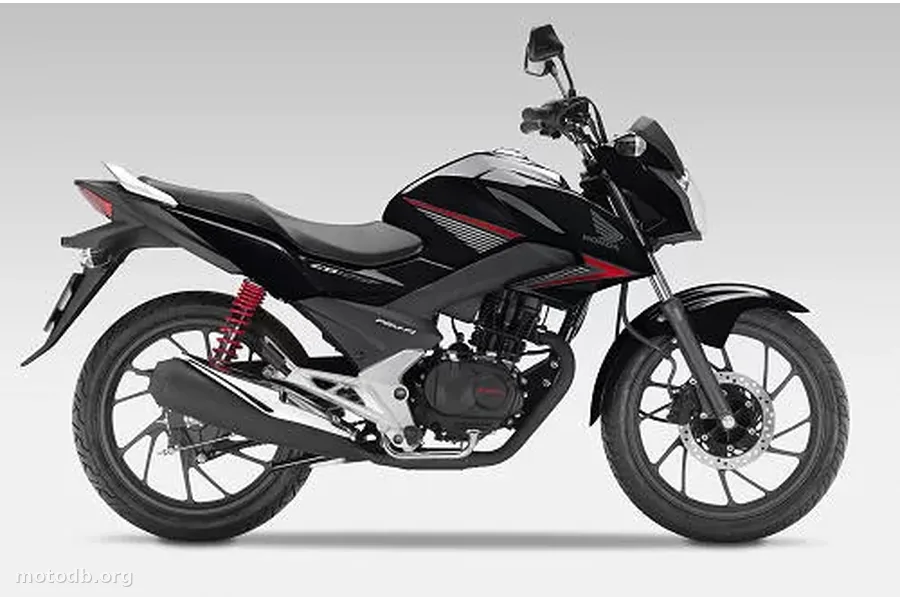
Since Honda brought the first CBF125 to market in 2009, the formula has never really changed: offer a small, reliable urban bike, accessible and built for everyday use without breaking the bank. The 2019 version represents the culmination of this philosophy, refined through a good decade of user feedback and two significant updates. The result is a motorcycle that knows exactly what it is — which, in this crowded segment, is already a rare quality.
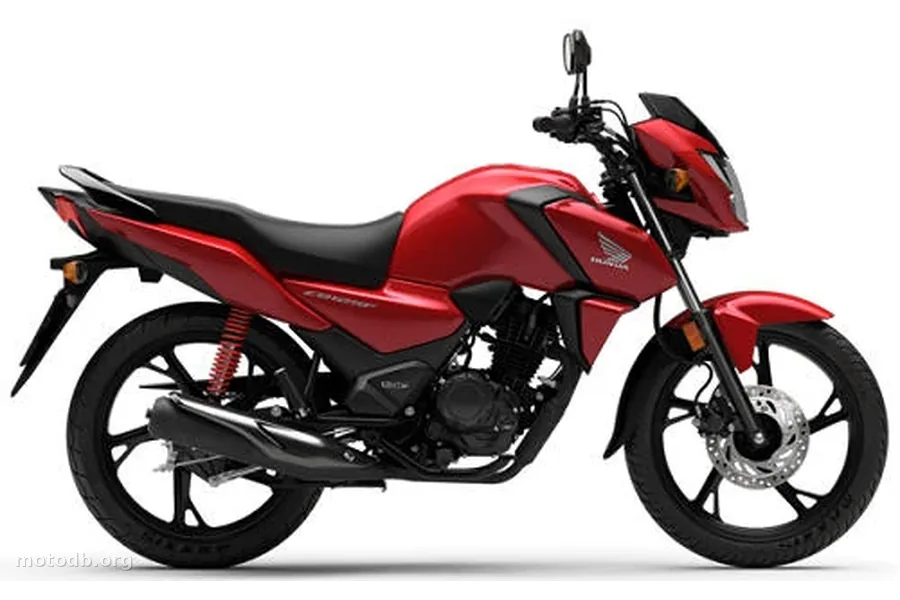
The stylistic shift made in 2015 profoundly redefined the silhouette. The sensible touring profile was abandoned in favour of a roadster line that clearly nods toward the CBF 600 of the same era, in a midi format. The half-fairing disappeared, replaced by a naked headstock and more assertive side panels. The 18-inch wheels, the revised 13-litre tank, the unified seat and the more compact exhaust give the whole a visually coherent compactness. Nothing revolutionary, but the proposition holds up aesthetically, especially compared to what the previous generation offered. In 2017, Honda added a gear position indicator to the instrument cluster — a practical detail when managing a 5-speed gearbox in heavy traffic.
Beneath this stripped-down bodywork, the air-cooled 124.7 cc single-cylinder delivers 10 horsepower at 7,750 rpm and 10.2 Nm at 6,250 rpm. These figures may look modest on paper, but they fit within a kerb weight of 128 kg and an 775 mm seat height. The CBF is not there to impress on a spec sheet — it is there to get moving. Top speed sits around 110 km/h, which comfortably covers the occasional motorway use permitted under the A1 licence. The real argument is range: with restrained fuel consumption and that 13-litre tank, real-world range approaches 500 km between fill-ups. For a daily commuter, that is a tangible advantage. Euro4 compliance came at the cost of a slight power reduction, but on an architecture with two valves per cylinder and a 9.2:1 compression ratio, it was never playing in the performance register to begin with. The balancer shaft integrated during the restyling effectively neutralises parasitic vibrations at cruising rpm.
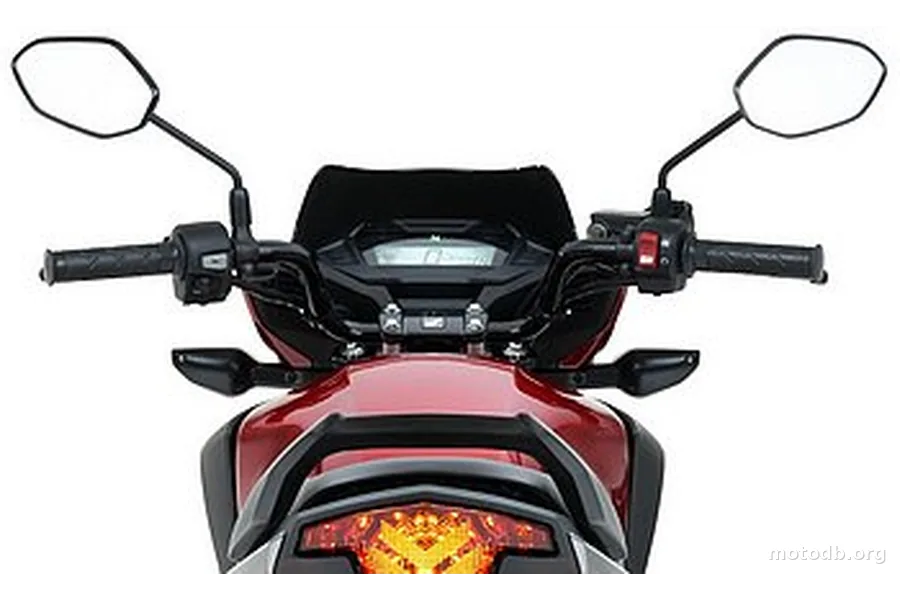
The braking deserves an honest mention: a 240 mm front disc gripped by a two-piston calliper, and a 130 mm rear drum. It is adequate for urban and peri-urban use, nothing more. The combined braking system introduced in 2017 improves progressiveness for less experienced riders. The 31 mm telescopic fork with 120 mm of travel handles urban imperfections competently without pretending to any sporting precision. The technical documentation is complete and well-structured, which makes home maintenance straightforward, and the forums dedicated to the Honda CBF125 remain active — proof that the simple mechanics of this single-cylinder inspire long-term confidence.
At €2,649, the CBF125 plays the value card with genuine consistency. Against the CB 125 R, it has neither the prestige nor the technology, but it carries a significantly lower price tag for a functionally comparable result on the daily commute. A motorcycle still regularly seen in 2026, and for good reason. The target audience is clear: a young rider holding an A1 licence, a student looking for a reliable tool, an adult needing a no-fuss mobility solution. It is not a motorcycle that inspires dreams, but it is one that starts every morning, in all weather, year after year. In the 125 cc world, that is a promise not everyone keeps.
Standard equipment
- Assistance au freinage : Combined braking
Practical info
- La moto est accessible aux permis : A
Indicators & positioning
Similar bikes
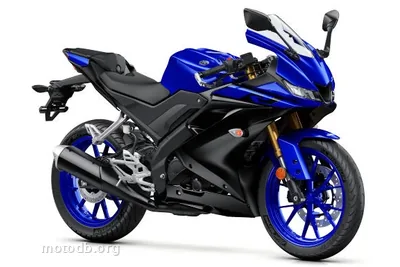
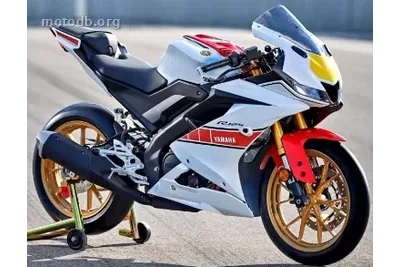
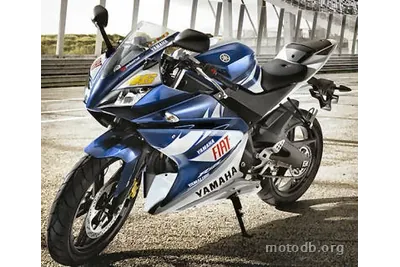
R125 World GP 60th Anniversary
Reviews & comments
No reviews yet. Be the first to share your opinion!