Key performance
Technical specifications
Engine
- Displacement
- 125 cc
- Power
- 15.0 ch @ 9000 tr/min (10.8 kW)
- Torque
- 12.2 Nm @ 8000 tr/min
- Engine type
- Single cylinder, four-stroke
- Cooling
- Liquid
- Compression ratio
- 11.2:1
- Bore × stroke
- 52.0 x 58.6 mm (2.0 x 2.3 inches)
- Valves/cylinder
- 4
- Camshafts
- 1 ACT
- Fuel system
- Injection. Electronic Fuel Injection
- Valve timing
- Single Overhead Cams (SOHC)
- Lubrication
- Wet sump
- Ignition
- TCI (digital)
- Starter
- Electric
Chassis
- Frame
- Aluminium Deltabox
- Gearbox
- 6-speed
- Final drive
- Chain (final drive)
- Clutch
- Wet, multiple-disc coil spring
- Front suspension
- Telescopic forks
- Rear suspension
- Linked monoshock with spring preload adjustment
- Front wheel travel
- 130 mm (5.1 inches)
- Rear wheel travel
- 125 mm (4.9 inches)
Brakes
- Front brakes
- Single disc
- Rear brakes
- Single disc
- Front tyre
- 100/80-17
- Front tyre pressure
- 1.80 bar
- Rear tyre
- 130/70-17
- Rear tyre pressure
- 2.00 bar
Dimensions
- Seat height
- 818.00 mm
- Wheelbase
- 1355.00 mm
- Ground clearance
- 155.00 mm
- Length
- 2015.00 mm
- Width
- 660.00 mm
- Height
- 970.00 mm
- Fuel capacity
- 13.80 L
- Weight
- 138.00 kg
- Dry weight
- 127.00 kg
- New price
- 4 499 €
Overview
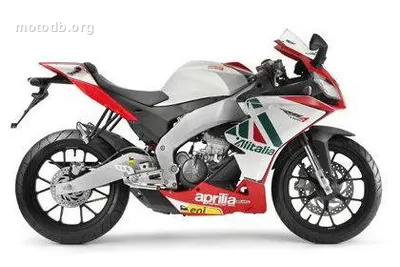
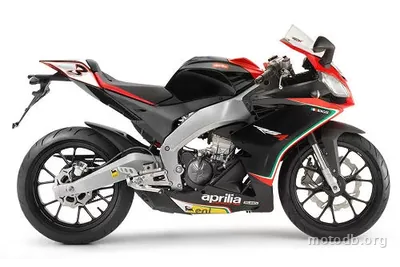
Do you remember those adolescent dreams, in front of Grand Prix posters stuck on the wall? Yamaha decided to make them beat a little faster in 2012, by dressing its YZF-R125 in a historic gala outfit. It’s not just a sticker; it’s a vibrant tribute to the brand’s fifty years of competition, faithfully reproducing the white and burgundy red livery of Rossi and Lorenzo’s M1s at Laguna Seca. On a 125, such a heritage really stands out. It’s far from a utilitarian motorcycle; here, you buy a piece of legend in kit form, even if the displacement remains comfortably within the A1 license limits.
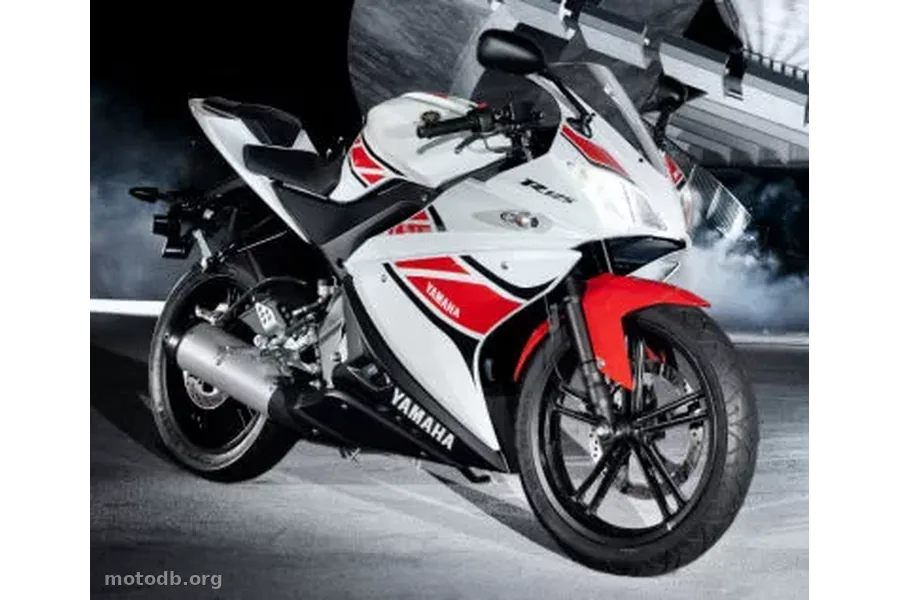
Underneath this spectacular attire, the technology is not to be outdone. The 125 cm³ four-valve, fuel-injected single-cylinder delivers its 15 horsepower seriously, while the six-speed gearbox allows you to always keep the engine in the right rev range, around 8000 rpm where the 12.2 Nm of torque is felt. The chassis, with its aluminum Deltabox frame and swingarm derived from the 2006 R6, sends a clear message: this machine is designed for the curve. With a wet weight of 138 kg, it is agile and predictable, a true educator for those who want to learn the basics of sporty riding without fear. The adjustable rear suspension and single disc brakes, although simple, are perfectly suited to the fire of this little sportbike.
However, upon closer inspection, a detail may catch the eye of the purist. The tires, in 100/80 at the front and 130/70 at the rear, seem a little narrow for a bodywork that so openly draws inspiration from the 2002 R1. It’s a compromise, probably necessary to maintain iron agility and price accessibility, but which reminds, for those who might have forgotten, that you are not riding a liter bike. The adrenaline, here, is measured in smiles per gallon and in heads turning at traffic lights, not in decibels or lap times.
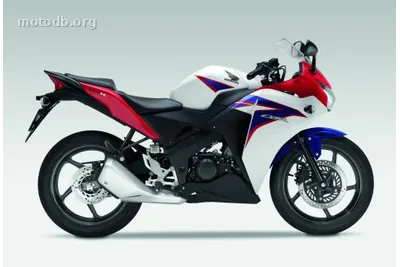
The real battle was fought against the undisputed queen of the segment, the Honda CBR 125. The Yamaha, with a price of around €4500 at the time, positioned itself as a premium challenger, more expensive but also more explicitly geared towards the sporty dream. It doesn’t just serve as a means of transport; it is a desirable object, a first step into the world of hypersports. For the young license holder or the urban motorcyclist in search of style, it offered an undeniable argument: reliable mechanics, a serious chassis, and above all, that track aura that made you forget its modest top speed of 124 km/h. It was the most convincing reply on the market, a motorcycle that treated you like a rider from the first kick.
Practical info
- La moto est accessible aux permis : A
Reviews & comments
No reviews yet. Be the first to share your opinion!