Key performance
Technical specifications
- Power
- 11.0 ch @ 8000 tr/min (8.1 kW) → 10.0 ch @ 7750 tr/min (7.4 kW)
- Torque
- 11.2 Nm @ 6250 tr/min → 10.2 Nm @ 6250 tr/min
- Engine type
- Single cylinder, four-stroke → Monocylindre, 4 temps
- Cooling
- Air → par air
- Compression ratio
- 9.2:1 → 9.2 : 1
- Bore × stroke
- 52.2 x 57.8 mm (2.1 x 2.3 inches) → 52.4 x 57.8 mm
- Fuel system
- Injection. PGM-FI → Injection
- Valve timing
- Overhead Cams (OHC) → —
- Frame
- Diamond, steel → en acier de type diamond
- Gearbox
- 5-speed → boîte à 5 rapports
- Final drive
- Chain (final drive) → Chaîne
- Clutch
- Wet multiplate → —
- Front suspension
- Conventional fork → Fourche téléhydraulique Ø 31 mm, déb : 120 mm
- Rear suspension
- Twin shock → 2 amortisseurs latéraux
- Front brakes
- Single disc → Freinage 1 disque Ø 240 mm, étrier 2 pistons
- Rear brakes
- Expanding brake (drum brake) → Freinage tambour Ø 130 mm
- Front tyre
- 100/80-17 → 80/100-18
- Rear tyre
- 100/90-17 → 90/90-18
- Seat height
- 792.00 mm → 775.00 mm
- Ground clearance
- 173.00 mm → —
- Length
- 1955.00 mm → —
- Width
- 760.00 mm → —
- Height
- 1110.00 mm → —
- New price
- 2 190 € → 2 499 €
Engine
- Displacement
- 125 cc
- Power
- 10.0 ch @ 7750 tr/min (7.4 kW)
- Torque
- 10.2 Nm @ 6250 tr/min
- Engine type
- Monocylindre, 4 temps
- Cooling
- par air
- Compression ratio
- 9.2 : 1
- Bore × stroke
- 52.4 x 57.8 mm
- Valves/cylinder
- 2
- Camshafts
- 1 ACT
- Fuel system
- Injection
Chassis
- Frame
- en acier de type diamond
- Gearbox
- boîte à 5 rapports
- Final drive
- Chaîne
- Front suspension
- Fourche téléhydraulique Ø 31 mm, déb : 120 mm
- Rear suspension
- 2 amortisseurs latéraux
Brakes
- Front brakes
- Freinage 1 disque Ø 240 mm, étrier 2 pistons
- Rear brakes
- Freinage tambour Ø 130 mm
- Front tyre
- 80/100-18
- Front tyre pressure
- 1.75 bar
- Rear tyre
- 90/90-18
- Rear tyre pressure
- 2.25 bar
Dimensions
- Seat height
- 775.00 mm
- Fuel capacity
- 13.00 L
- Weight
- 128.00 kg
- New price
- 2 499 €
Overview
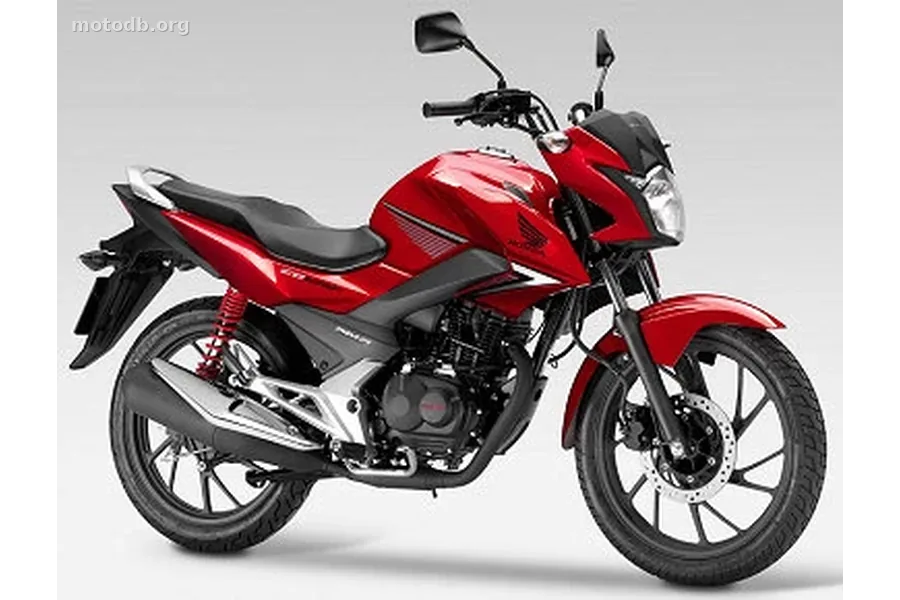
When looking for a two-wheeler to swallow city kilometers without breaking the bank at the pump or on insurance, the question naturally arises: what type of motorcycle is the Honda CBF125? Neither a frustrating sports bike nor a soulless scooter, this little Japanese machine occupies a very specific niche — that of the honest, everyday, no-frills workhorse. A vocation the CBF has fully embraced since its early days, well before the 2009 version that laid the foundations for the lineage.
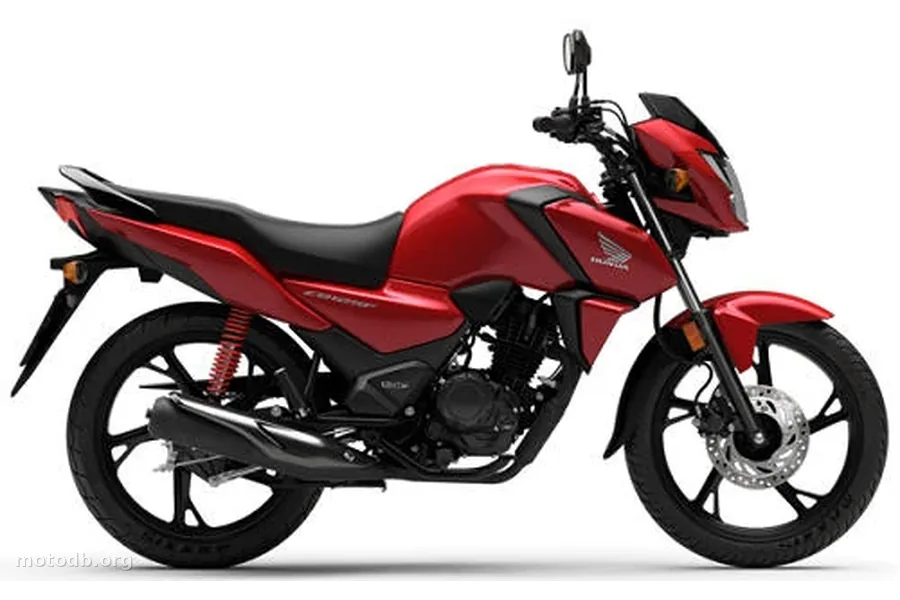
What strikes you when approaching the 2020 version is the visual break brought about by the 2015 facelift. Honda swapped the sensible tourer profile for a compact roadster silhouette, with a sharper headlight cowl and tighter flanks that vaguely recall the CBF 600. The wheels moved to 18 inches, the seat is a single unit, the exhaust more discreet, and the whole package gives an impression of a more compact machine despite its 128 kg fully fuelled. The instrument cluster, modernised in 2017 with the addition of a gear position indicator, remains legible and functional. Five gears, chain drive — nothing revolutionary, but everything needed to progress calmly. How many gears does a Honda CBF125 have? Five, like the vast majority of its direct competitors, the Yamaha YBR 125 or the Keeway RKF 125.
Beneath the 13-litre tank, the air-cooled 124.7 cc single-cylinder four-stroke delivers 10 horsepower at 7,750 rpm and 10.2 Nm of torque at 6,250 rpm. Modest figures, compliant with A1 licence regulations, and honest in use. Honda revised the cylinder head and added a balancer shaft to eliminate vibrations, at the cost of a slight loss of responsiveness compared to earlier versions. What top speed can a Honda CBF125 reach? The speedo tops out at around 110 km/h, which is sufficient for A-roads but rules out long motorway stints. The real argument for this engine is its frugality: Honda claims a range approaching 600 km per tank, which, for urban use mixed with minor roads, is not at all implausible.
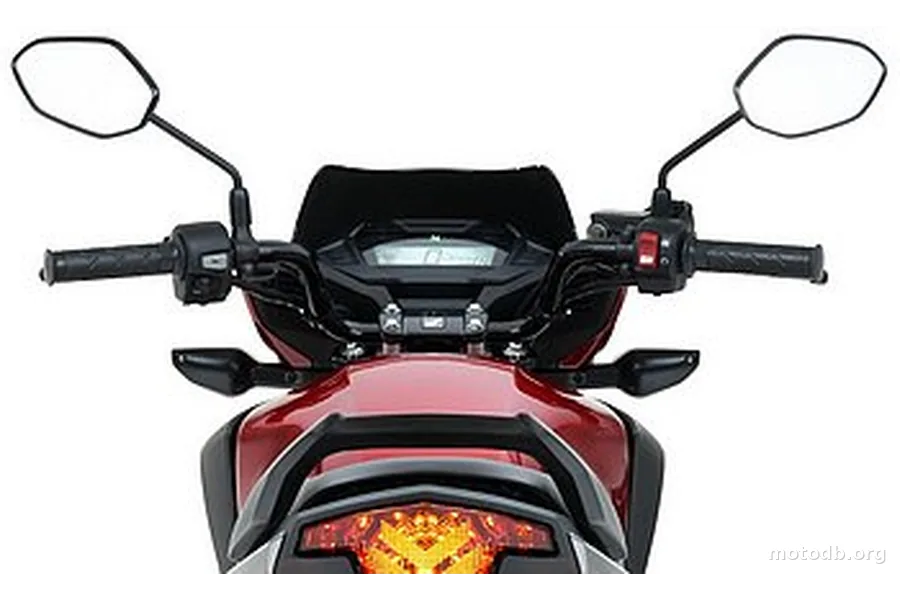
The diamond-type steel frame, the 31 mm telescopic fork and the twin rear shock absorbers make up an unpretentious technical package, calibrated to absorb daily use rather than to seduce the weekend rider. The braking combines a 240 mm front disc with a twin-piston caliper and a 130 mm rear drum, supplemented since 2017 by a combined braking system. It is adequate for the intended uses, without being flattering. The 80/100-18 front and 90/90-18 rear tyres complete a resolutely practical picture. The 775 mm seat height remains accessible for the vast majority of rider sizes.
It is on price that the CBF125 plays its strongest card. At €2,499, it targets beginners on an A1 licence, young professionals looking for a reliable tool rather than an object of desire, and tight budgets that refuse to compromise on the brand. Compared to the CB 125 R, more modern and far more visually appealing, the price gap is significant — and that is precisely why it is still discussed on honda cbf125 forums years after its release. Conversations there often revolve around maintenance, finding the honda cbf125 service manual pdf, or comparisons with other 125s on the market. The CBF does not inspire dreams; it gets the job done. For many, that is exactly what they are looking for.
Standard equipment
- Assistance au freinage : Combined braking
Practical info
- La moto est accessible aux permis : A
Indicators & positioning
Similar bikes
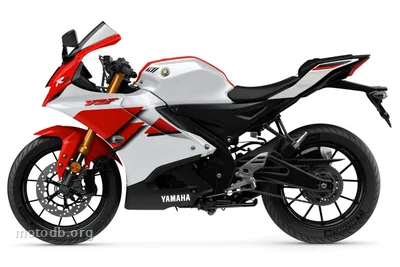
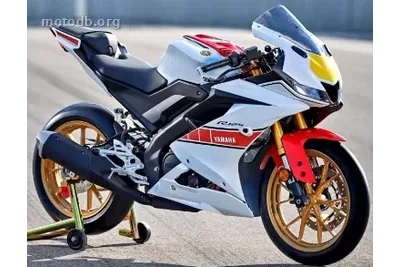
R 125 70ème anniversaire
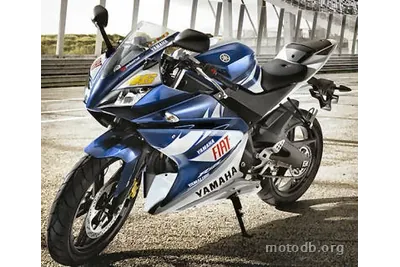
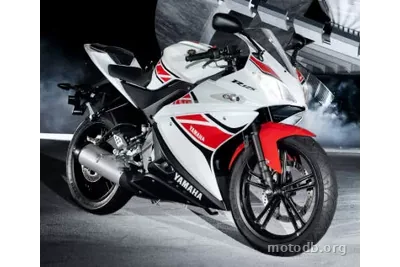
YZF-R 125 Monster Energy MotoGP
Reviews & comments
No reviews yet. Be the first to share your opinion!