Key performance
Technical specifications
Engine
- Displacement
- 998 cc
- Power
- 124.0 ch @ 9500 tr/min (90.5 kW)
- Torque
- 102.0 Nm @ 8000 tr/min
- Engine type
- V2, four-stroke
- Cooling
- Liquid
- Compression ratio
- 11.4:1
- Bore × stroke
- 100.0 x 63.5 mm (3.9 x 2.5 inches)
- Valves/cylinder
- 4
- Camshafts
- 2 ACT
- Fuel system
- Injection
- Valve timing
- Desmodromic valve control
Chassis
- Frame
- Treillis tubulaire en acier
- Gearbox
- 6-speed
- Final drive
- Chain (final drive)
- Front suspension
- Fourche téléhydraulique inversée Ø 43 mm, déb : 125 mm
- Rear suspension
- Mono-amortisseur, déb : 128 mm
- Front wheel travel
- 125 mm (4.9 inches)
- Rear wheel travel
- 128 mm (5.0 inches)
Brakes
- Front brakes
- Double disc
- Rear brakes
- Single disc
- Front tyre
- 120/70-ZR17
- Front tyre pressure
- 2.10 bar
- Rear tyre
- 190/50-ZR17
- Rear tyre pressure
- 2.20 bar
Dimensions
- Seat height
- 780.00 mm
- Seat type
- Selle biplaces
- Wheelbase
- 1420.00 mm
- Length
- 2095.00 mm
- Height
- 1090.00 mm
- Fuel capacity
- 15.50 L
- Weight
- 215.00 kg
- Dry weight
- 199.00 kg
- New price
- 17 000 €
Overview
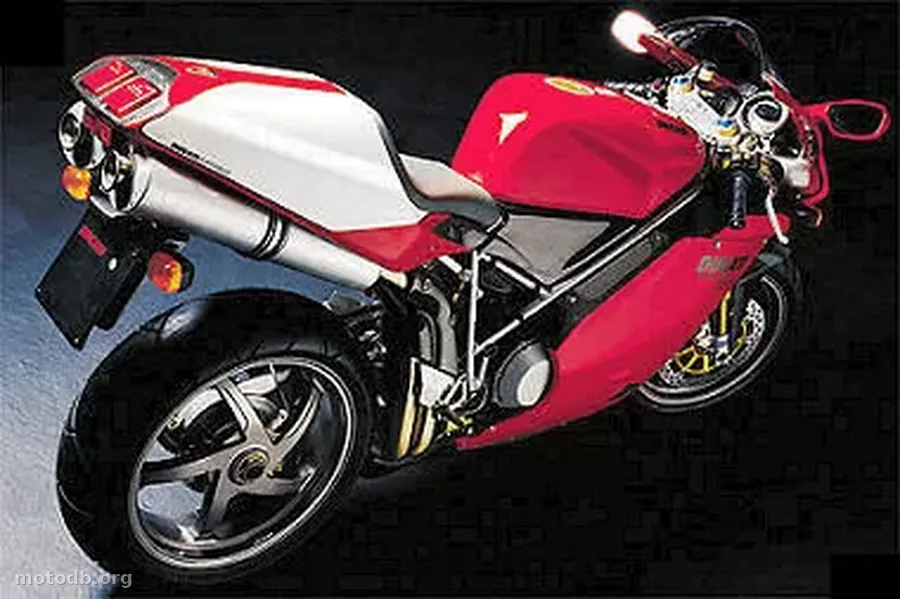
How do you replace an icon? When Ducati unveiled the 999 in 2003, the question was on everyone's lips. Tamburini's 916 had set such an aesthetic benchmark that any successor started with a handicap. Borgo Panigale chose a clean break rather than continuity, and the result was divisive. Heavier lines, the single-sided swingarm gone, under-seat silencers replaced by a conventional side-mounted exhaust. Purists gnashed their teeth. Yet behind that wind tunnel-honed bodywork lurked a war machine. The 2003 Ducati 999 may lack the grace of its elder, but it makes up for it with formidable effectiveness and a spec sheet built for the track.
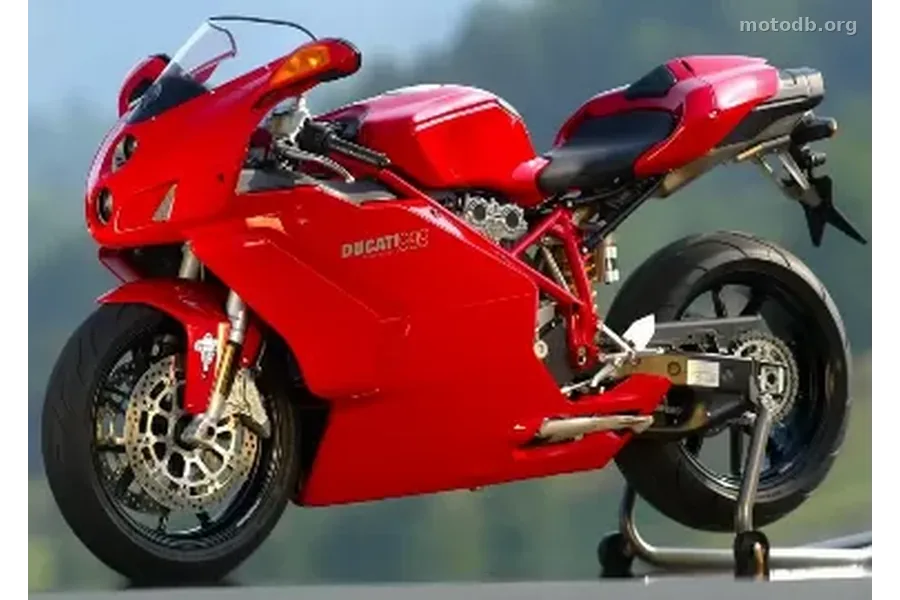
The 998 cc Testastretta V-twin produces 124 horsepower at 9,500 rpm and 102 Nm of torque at 8,000 rpm. Honest figures for the era, though not dominant against the Japanese competition. But raw numbers don't tell the whole story. This desmodromic twin has a character that Japanese inline-fours simply cannot replicate. Generous from the midrange, it takes on a whole new dimension past 7,500 rpm and pulls with fury all the way to the redline. The 11.4:1 compression ratio, 100 mm bore and short 63.5 mm stroke confirm the engine's sporting vocation. The Ducati 999 S pushes output to 136 horsepower thanks to sharper tuning and Öhlins suspension, for those who want to get closer to the factory Ducati 999 R. On the used market, these S and R versions remain highly sought after by collectors and track-day enthusiasts.
What strikes you most when you swing a leg over this Italian is the change in philosophy compared to the 916 and 998. The riding position proves less punishing on the wrists. The seat, perched at just 780 mm, lowers the center of gravity and inspires confidence at a standstill. Five-position adjustable footpegs, adjustable rake angle and even the ability to shift the seat-to-tank position by 10 mm in single-seat configuration bring this production sportbike closer to a genuine racing prototype. The tubular steel trellis frame, a Bologna signature, houses a 43 mm inverted fork and a rear monoshock with 125 and 128 mm of travel respectively. All contained within 199 kg dry, or 215 kg wet with a 15.5-liter tank. No featherweight, but the rigidity of the new conventional swingarm delivers cornering stability that the old platform simply didn't possess.
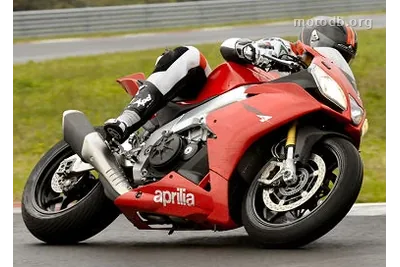
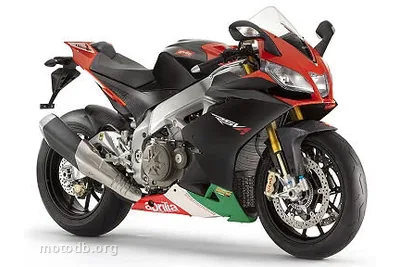
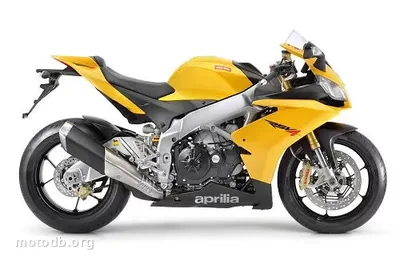
On track, the Ducati 999 proves more intuitive than its predecessors. Where the 998 demanded muscular, anticipatory riding, the 999 accepts late line changes and hard throttle application on corner exit with a docility that's surprising for an Italian of this caliber. Braking duties handled by twin front discs offer good lever feel, even if the stock pad endurance deserves monitoring under heavy use. Against the Aprilia RSV 1000 R, its direct rival, the Ducati is less agile on lean but compensates with surgical precision and superior traction on corner exit. Don't bother comparing it to the Japanese machines of the era — the register is fundamentally different.
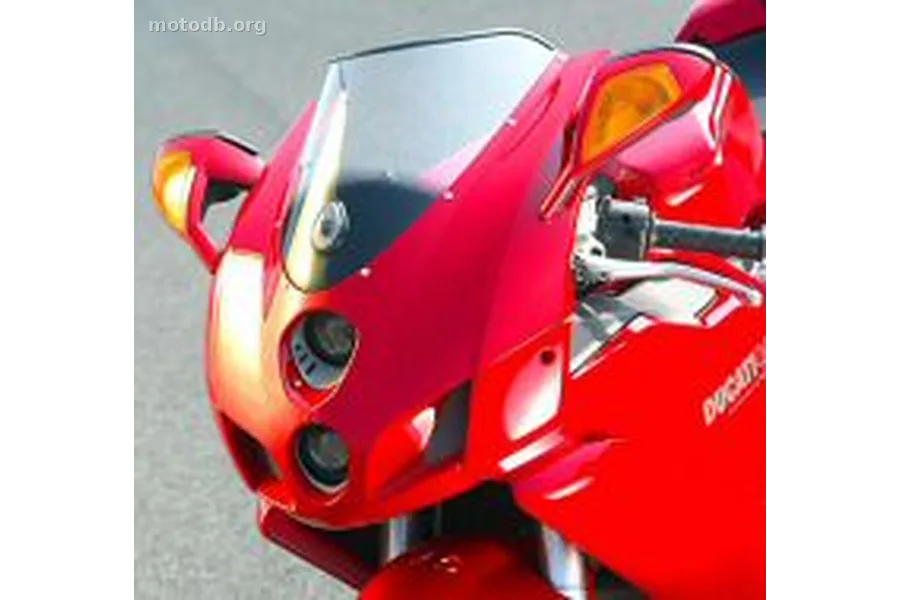
At 17,000 euros new when it launched, the 999 represented a substantial investment, but one consistent with its level of finish and range of adjustability. Add 4,000 euros for the Ducati 999 S 2005 or the Ducati 999 2005 and 2006 phase 2 vintages, which brought welcome aesthetic and technical corrections. Today, finding a used Ducati 999 remains accessible, including on le bon coin, and prices vary widely depending on condition and version. The red and white Ducati 999 Fila livery has become a collector's item. Some owners convert theirs into a Ducati 999 cafe racer, proof that this mechanical platform still inspires. Black, red or in racing colors, the 999 never achieved aesthetic consensus. But on the track and in Superbike, it silenced the skeptics. That is perhaps the best summary of its character: a Ducati that must be earned, that rewards the demanding rider, and that ages far better than its detractors ever predicted.
Practical info
- La moto est accessible aux permis : A
Reviews & comments
No reviews yet. Be the first to share your opinion!