Key performance
Technical specifications
Engine
- Displacement
- 1170 cc
- Power
- 125.0 ch @ 7750 tr/min (91.2 kW)
- Torque
- 125.0 Nm @ 6500 tr/min
- Engine type
- Two cylinder boxer, two-stroke
- Cooling
- Liquid
- Compression ratio
- 12.5:1
- Bore × stroke
- 101.0 x 73.0 mm (4.0 x 2.9 inches)
- Valves/cylinder
- 4
- Camshafts
- 2 ACT
- Fuel system
- Injection. Electronic intake pipe injection
- Valve timing
- Double Overhead Cams/Twin Cam (DOHC)
- Lubrication
- Dry sump
- Starter
- Electric
Chassis
- Frame
- Two-section frame, front- and bolted on rear frame, load-bearing engine
- Gearbox
- 6-speed
- Final drive
- Shaft drive (cardan) (final drive)
- Clutch
- Oil lubricated clutch, hydraulically operated
- Front suspension
- BMW Motorrad Telelever
- Rear suspension
- Cast aluminium single-sided swing arm with BMW Motorrad Paralever
- Front wheel travel
- 190 mm (7.5 inches)
- Rear wheel travel
- 200 mm (7.9 inches)
Brakes
- Front brakes
- Double disc. ABS. Floating discs. Four-piston calipers.
- Rear brakes
- Single disc. ABS. Floating disc. Two-piston calipers.
- Front tyre
- 120/70-19
- Front tyre pressure
- 2.50 bar
- Rear tyre
- 170/60-17
- Rear tyre pressure
- 2.90 bar
Dimensions
- Seat height
- 850.00 mm
- Wheelbase
- 1507.00 mm
- Length
- 2207.00 mm
- Width
- 953.00 mm
- Height
- 1450.00 mm
- Fuel capacity
- 20.00 L
- Weight
- 244.00 kg
- Dry weight
- 244.00 kg
- New price
- 16 200 €
Overview
For twenty years, the BMW R 1200 GS has reigned over adventure motorcycling, and Munich doesn't seem ready to relinquish the throne. Yet, with this 2017 version, Bavarian engineers have chosen a subtle path: not to rebuild everything, but to refine what already works. The real novelty of this model year lies in the wiring, sensors, and computers rather than the mechanics. It's an evolution of the brain, not the muscles.
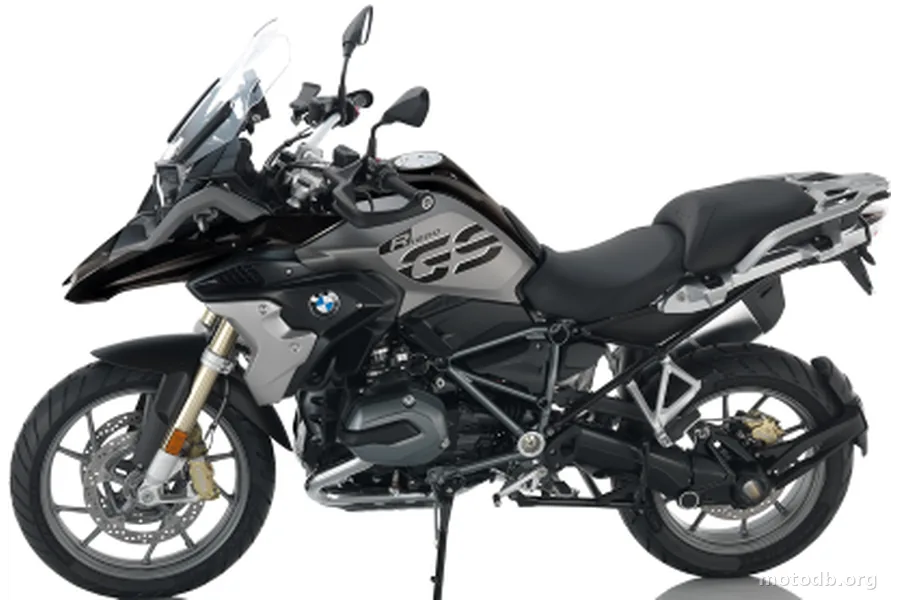
Speaking of muscles, the 1,170 cc flat-twin engine, switched to liquid cooling in 2013, hasn't budged an iota. It still delivers 125 horsepower at 7,750 rpm and 125 Nm of torque at 6,500 rpm, all while complying with Euro 4 standards, without sacrificing a single horsepower or Newton-meter. This boxer has something both anachronistic and reassuring: you know what you're buying. On the chassis side, the same observation applies. The Telelever fork still decouples damping from steering, the Paralever swingarm absorbs cardan reactions, and the six-speed gearbox transmits all of that smoothly. For the BMW R 1200 GS, it's not the engine that's redesigned every year, it's the intelligence surrounding it.
And that intelligence, in 2017, has been considerably enriched. BMW now offers three versions: a standard version, a more exclusive edition, and the BMW R 1200 GS Rallye, with a more enduro-focused soul. This is a first in the model's history to be able to orient the GS towards such a clearly off-road or, conversely, more road-oriented profile. The electronic equipment is expanded with additional riding modes, available as an option, which is where the frustration lies. Rain and Road come standard with the ASC traction control. But to access the Dynamic, Dynamic Pro, Enduro, and Enduro Pro modes, as well as the more precise DTC traction control and the Hill Start Control, you have to open your wallet. On a motorcycle priced at a base of €16,200, this logic of options is enough to make teeth grind. The competition, notably the Honda Africa Twin or the KTM 1090 Adventure, offers more complete electronic configurations from the start.
The electronically adjustable ESA Next Generation suspension deserves special mention. The system automatically adapts the behavior of the dampers in real time, stiffening in Dynamic mode, softening in Enduro mode, and even adjusting rear preload according to the load. For a traveler who loads his motorcycle for weeks of travel, or even for a BMW R 1200 GS Adventure kit affixed to the saddlebags, this automatic management represents a real comfort on a daily basis. BMW R 1200 GS accessories can significantly increase the overall weight, and the motorcycle already weighs 244 kg fully fueled. The 850 mm seat height will also be selective for less imposing riders.
Visually, the standard version refines its lines without revolutionizing them. The shapes become slightly rounder, the front fender cutouts soften, and the tank ergonomics have been redesigned to facilitate grip in off-road conditions. These are details, but they testify to an attention paid to users who really take their R 1200 GS off paved roads. For those looking for a used BMW R 1200 GS to limit the initial investment before gradually upgrading with options, it's a serious option: the 2008 or 2012 versions remain very solid mechanically.
This GS 2017 clearly targets the experienced rider, capable of taking advantage of the electronic richness, comfortable enough at 244 kg not to find the beast intimidating, and ready to invest in options to unlock the full potential of the machine. It's not a beginner's motorcycle, and it's not a track bike either. It's a motorcycle of conviction, designed for those who want to do everything, everywhere, for a long time. Munich doesn't take risks with this model year, but once again confirms that no one masters the art of universal trail riding as well as the Bavarian boxer.
Standard equipment
- Assistance au freinage : ABS
Practical info
- La moto est accessible aux permis : A
Indicators & positioning
Similar bikes
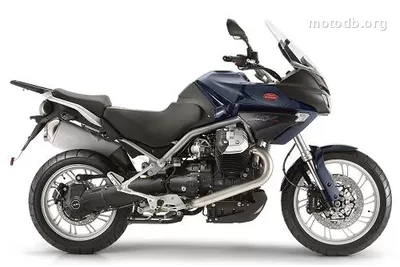
Stelvio 1200 8V
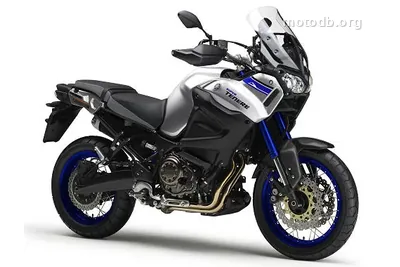
XTZE 1200 Super Ténéré
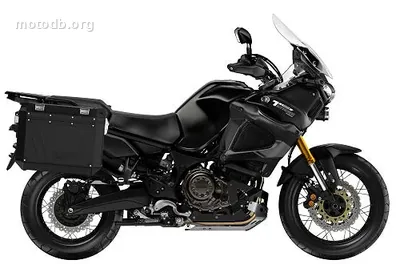
XTZE 1200 Super Ténéré Raid Edition
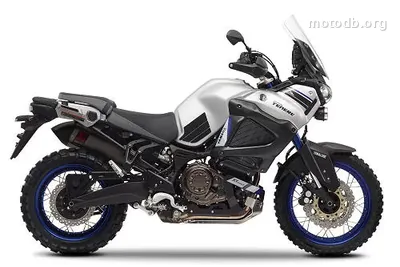
XTZE 1200 Super Ténéré Worldcrosser
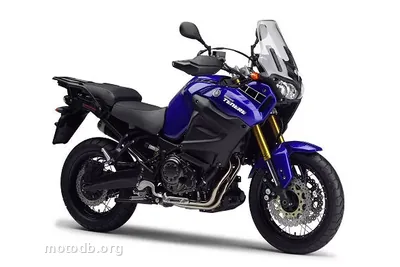
XT 1200 Z Super Ténéré 'Limited Edition'
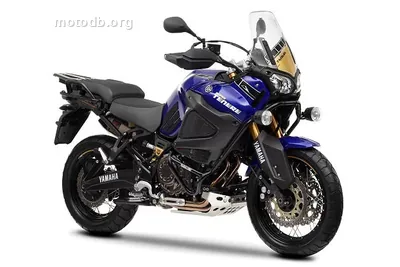
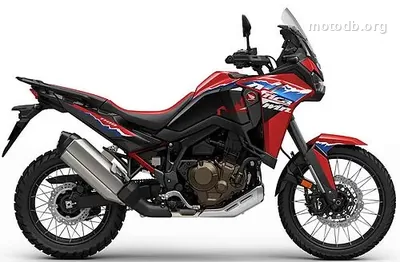
Reviews & comments
No reviews yet. Be the first to share your opinion!