Key performance
Technical specifications
Engine
- Displacement
- 1170 cc
- Power
- 105.0 ch @ 7000 tr/min (77.2 kW)
- Torque
- 112.8 Nm @ 5500 tr/min
- Engine type
- Bicylindre à plat, 4 temps
- Cooling
- par air
- Compression ratio
- 11 : 1
- Bore × stroke
- 101 x 73 mm
- Valves/cylinder
- 4
- Camshafts
- 1 ACT
- Fuel system
- Injection Ø 47 mm
Chassis
- Frame
- Treillis tubulaire en acier, moteur porteur
- Gearbox
- boîte à 6 rapports
- Final drive
- Cardan
- Front suspension
- Fourche téléhydraulique inversée Ø 45 mm, déb : 270 mm
- Rear suspension
- Mono-amortisseur et monobras Paralever, déb : 250 mm
Brakes
- Front brakes
- Freinage 1 disque Ø 305 mm, étrier 4 pistons
- Rear brakes
- Freinage 1 disque Ø 265 mm, étrier 2 pistons
- Front tyre
- 90/90-21
- Front tyre pressure
- 2.20 bar
- Rear tyre
- 140/80-17
- Rear tyre pressure
- 2.50 bar
Dimensions
- Seat height
- 920.00 mm
- Fuel capacity
- 13.00 L
- Weight
- 196.50 kg
- Dry weight
- 175.00 kg
- New price
- 17 250 €
Overview
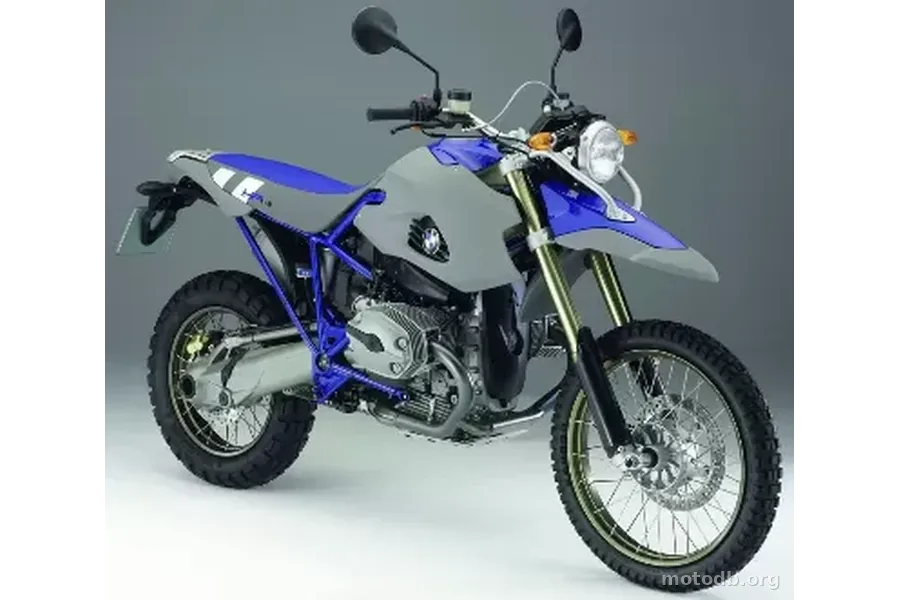
When Munich decides to play outside the rules, the result is rarely lukewarm. In 2006, while Japanese manufacturers were flooding the market with mainstream supermotards, the Bavarians took a radical direction: entrusting a small team of in-house enthusiasts with the task of designing a machine free from commercial compromise. The result bears two letters and a number — HP2, for High Performance 2 cylinders — and it lands like a warning shot.
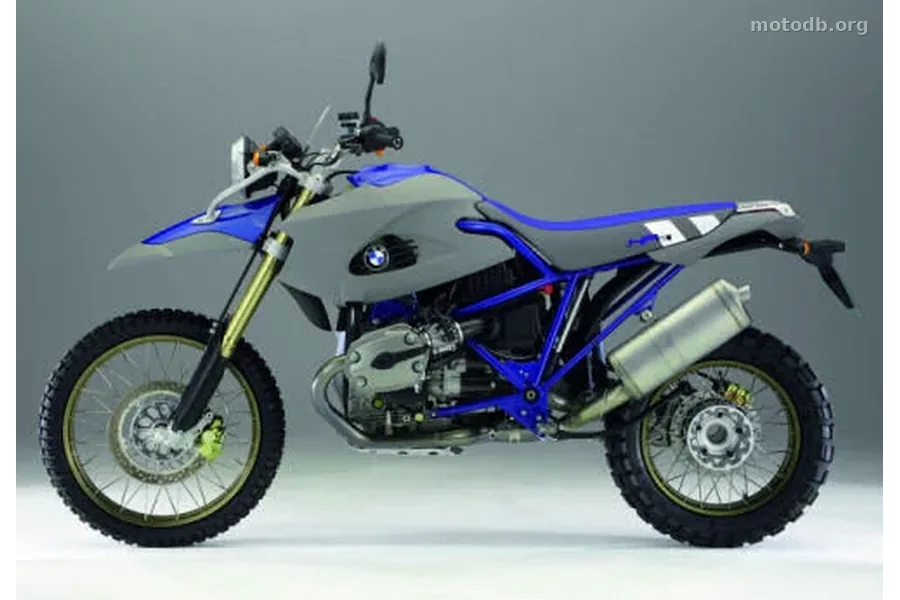
Taking the R 1200 GS as a starting point and arriving at this is almost a feat of engineering. The 1,170 cc boxer engine is stripped of its balancer shaft and now produces 105 hp at 7,000 rpm, with 112.8 Nm of torque available from 5,500 rpm. But it is the weight that truly astounds: 175 kg dry, and with all fluids added you barely exceed 196 kg. For a twin-cylinder adventure bike of this displacement, that is the territory of Japanese sportbikes, not the usual Bavarian adventure tourers. BMW had clearly decided that the weight imperative took precedence over everything else.
The chassis betrays this obsession. Gone is the Telelever, a BMW signature for decades: the HP2 sports a 45 mm inverted fork with 270 mm of travel, a figure impossible to achieve with the traditional architecture. Damping is linked to wheel travel, compression is largely unaffected by anti-bottoming adjustments, and the tubes receive a robust surface treatment to withstand the rigors of off-road use. At the rear, the Paralever arm is extended by 30 mm compared to the GS, but it is the pneumatic shock absorber that commands attention: half the weight of a conventional unit, heat-resistant, and bottoming-free. On paper, it is elegant. On the trails, it proves itself.
Braking comes down to a single 305 mm disc gripped by a four-piston caliper up front, assisted by a 265 mm two-piston unit at the rear, with stainless steel brake lines as standard. No ABS at launch — an understandable constraint on varied terrain, but one that can frustrate on wet roads. The translucent 13-liter tank allows the fuel level to be checked at a glance, which proves useful when riding far from any pump. Range remains the machine's Achilles heel: with this capacity and this engine, stages will need to be planned carefully. The shortened exhaust gains in visual aggressiveness what it loses in length and mass — two kilograms saved — but makes the fitment of side cases incompatible. You pick your side.
The HP2 is delivered with a comprehensive protection kit, engine guard, handguards, wind deflector, and crankcase protection: BMW anticipates real-world use. At €17,250 in 2006, the price immediately filters out the curious and retains only the committed. This machine is not aimed at novices or heavily laden long-distance travelers; it speaks to experienced riders who want to tackle demanding terrain with a benchmark engine beneath them. The 920 mm seat height confirms this positioning: it takes a certain stature and genuine skill to feel at home on it. With the HP2, BMW opened a door. What could be built beyond that door — a high-performance range extended across other models, in the manner of what the M series does for the automobiles — was enough to fuel the imagination. What followed belongs to the brand's history.
Practical info
- La moto est accessible aux permis : A
Indicators & positioning
Similar bikes
Stelvio 1200 8V
XTZE 1200 Super Ténéré
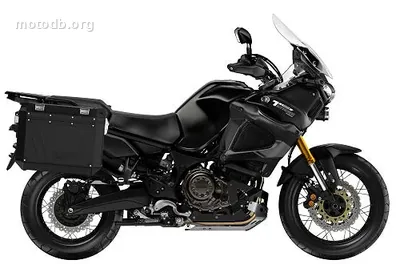
XTZE 1200 Super Ténéré Raid Edition
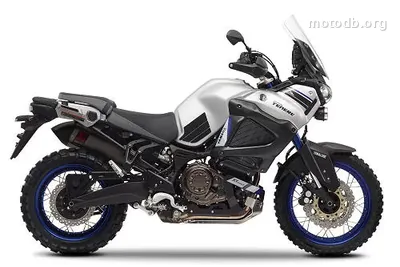
XTZE 1200 Super Ténéré Worldcrosser
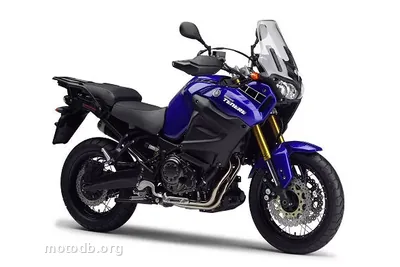
XT 1200 Z Super Ténéré 'Limited Edition'
Reviews & comments
No reviews yet. Be the first to share your opinion!