Key performance
Technical specifications
Engine
- Displacement
- 898 cc
- Power
- 143.0 ch @ 11500 tr/min (105.2 kW)
- Torque
- 98.1 Nm @ 8500 tr/min
- Cooling
- liquide
- Compression ratio
- 11 : 1
- Bore × stroke
- 88 x 49.2 mm
- Valves/cylinder
- 4
- Camshafts
- 2 ACT
- Fuel system
- Injection
Chassis
- Frame
- treillis en tubes d\'acier avec platines en aluminium
- Gearbox
- boîte à 6 rapports
- Final drive
- Chaîne
- Front suspension
- Fourche téléhydraulique inversée Öhlins Ø 46 mm
- Rear suspension
- Mono-amortisseur Öhlins
Brakes
- Front brakes
- Freinage 2 disques Ø 320 mm, étrier 4 pistons
- Rear brakes
- Freinage 1 disque Ø 240 mm, étrier 2 pistons
- Front tyre
- 120/70-17
- Rear tyre
- 180/55-17
Dimensions
- Seat height
- 810.00 mm
- Fuel capacity
- 19.00 L
- Dry weight
- 185.00 kg
- New price
- 36 000 €
Overview
In 2002, while the major Japanese manufacturers were engaged in a numbers game with refined CBR, R1, and GSX-R models, Pesaro produced something anachronistic, unexpected, and almost inappropriate for the sporting landscape of the time. The Benelli Tornado 900 Limited Edition wasn't trying to win that war. It was playing a different score.
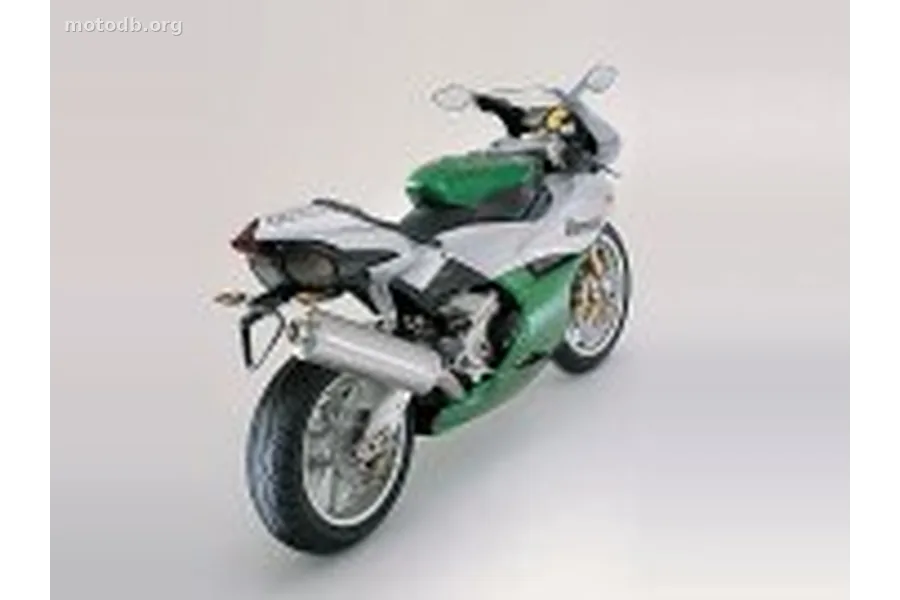
The initial impression is always a matter of silhouette. Here, we’s not talking about a fairing designed in a wind tunnel by a pragmatic engineer. The Tornado’s shapes seem to come from another project, almost organic, with that disturbing front look and that sharp tail line. The white and silver of this limited edition further accentuate the effect. You walk around it. You look at the Öhlins suspension — 46 mm inverted fork at the front, adjustable mono-shock at the rear — and the Brembo calipers clamping two 320 mm discs. The level of equipment is that of a competition machine dressed for the road, with no apparent compromise.
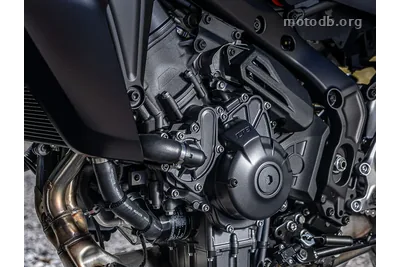
Under the fairing, the architecture betrays a real reflection of passionate engineers rather than rationalized production. The steel tube trellis incorporates aluminum plates, a structural hybrid that provides rigidity without sacrificing weight, quoted at 185 kg dry. The three-cylinder engine of 898 cc deserves attention: with 88 mm of bore for 49.2 mm of stroke, it's a short-stroke engine, designed for high RPM. It produces 143 horsepower at 11,500 rpm and delivers 98.1 Nm at 8,500 rpm. The logic of the three-cylinder is there, between the nervousness of the two-cylinder and the fullness of the four-cylinder, with a sonic character that enthusiasts immediately recognize. The six-speed gearbox manages the distribution of this power towards the announced top speed of 280 km/h.
Liquid cooling adopts an unusually elaborate solution: the radiator is moved under the seat, and two ducts run through the side fairing to bring fresh air to it. Heat extraction is ensured by two fans integrated into the rear fairing. It’s complex, potentially fragile, certainly different. The 19-liter tank offers correct range for sporty use, and the seat height at 810 mm positions the machine for a medium to tall rider.
At 36,000 euros, a comparison with a MV Agusta F4 of the same era naturally imposes itself, and it’s no coincidence that the two machines share this status as manufactured objects as much as pure sportbikes. Faced with the CBR 900 RR or the Japanese R1, the Tornado will not win on a circuit lap time. That’s not its project. It is aimed at a rider who chooses his motorcycle as he would choose a mechanical watch rather than a competition stopwatch, someone who accepts the small imperfections of a confidential Italian production in exchange for a character that Japanese series cannot reproduce. The public of the Tornado is rare, demanding, and perfectly aware of what they are buying.
Practical info
- La moto est accessible aux permis : A
Indicators & positioning
Similar bikes
TDM 900 GT ABS
F 900 XR Aurelius
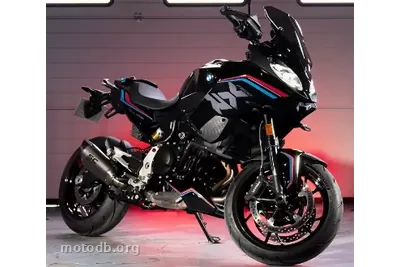
F 900 XR Sport Edition
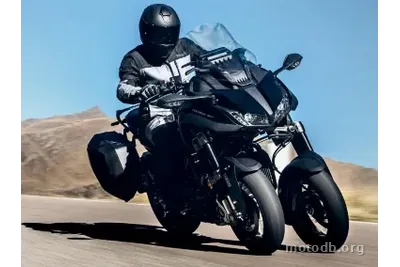
Niken 900 GT
Reviews & comments
No reviews yet. Be the first to share your opinion!