Key performance
Technical specifications
Engine
- Displacement
- 998 cc
- Power
- 180.0 ch @ 12500 tr/min (131.4 kW)
- Torque
- 115.0 Nm @ 10000 tr/min
- Engine type
- V4, four-stroke
- Cooling
- Oil & air
- Compression ratio
- 12.8:1
- Bore × stroke
- 78.0 x 52.3 mm (3.1 x 2.1 inches)
- Valves/cylinder
- 4
- Camshafts
- 2 ACT
- Fuel system
- Injection. Integrated electronic engine management system. Indirect multipoint electronic injection. 4 throttle bodies, 8 injectors. Airbox.
- Valve timing
- Double Overhead Cams/Twin Cam (DOHC)
- Lubrication
- Wet sump. Double trochoid pump with oil cooler.
- Ignition
- Electronic digital ignition integrated in fuel management system.
- Starter
- Electric
Chassis
- Frame
- Double poutre périmétrique en aluminium
- Gearbox
- 6-speed
- Final drive
- Chain (final drive)
- Clutch
- Multi-plate clutch in oil bath.
- Front suspension
- 43 mm Ohlins titanium nitride coated upside-down fork. External adjustment system for rebound, compression and preload. Shortened fork bottoms with radial caliper fittings.
- Rear suspension
- Double arch aluminium swingarm. Öhlins monoshock with piggy-back cylinder. Adjustments for compression, rebound, spring preload and length.
Brakes
- Front brakes
- Double disc. Bremo
- Rear brakes
- Single disc. Bremo
- Front tyre
- 120/70-ZR17
- Rear tyre
- 190/55-ZR17
Dimensions
- Seat height
- 810.00 mm
- Wheelbase
- 1424.00 mm
- Length
- 2050.00 mm
- Width
- 715.00 mm
- Height
- 1165.00 mm
- Fuel capacity
- 17.00 L
- Dry weight
- 179.00 kg
- New price
- 20 000 €
Overview
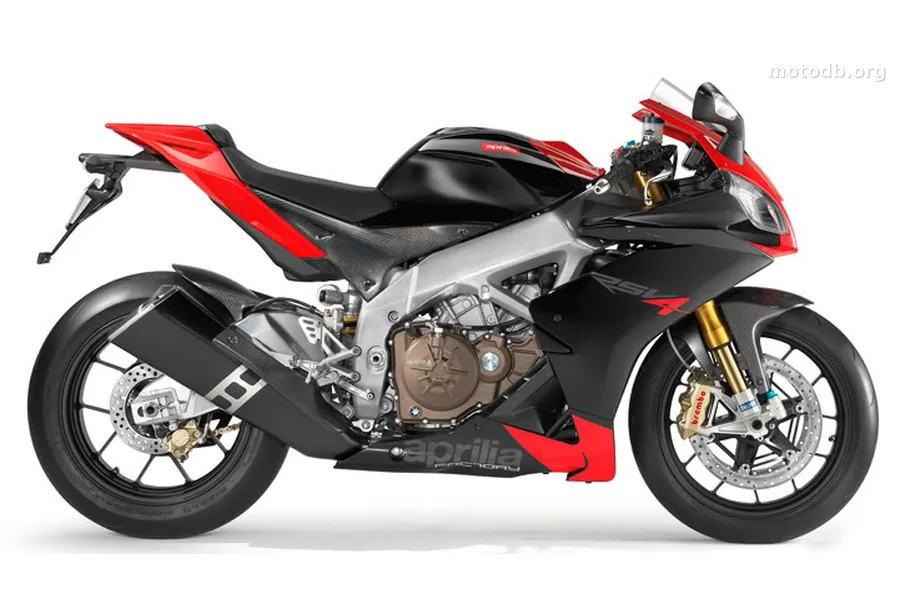
When Aprilia unveiled the Aprilia RSV4 Factory at the Milan show in 2009, the Japanese side stopped laughing. The brand from Noale had just produced something fundamentally different from its own history, and different especially from what the CBR1000RR, the GSX-R1000, or the R1 offered at the time. A 65-degree V4 of 999 cc, compact enough to fit in a closed fist, housed in a double perimeter aluminum frame adjustable in every way. Adjustable in steering head angle, adjustable in swingarm position, adjustable in engine position. Aprilia wasn’t building a sportbike; it was building a factory chassis with an engine inside.
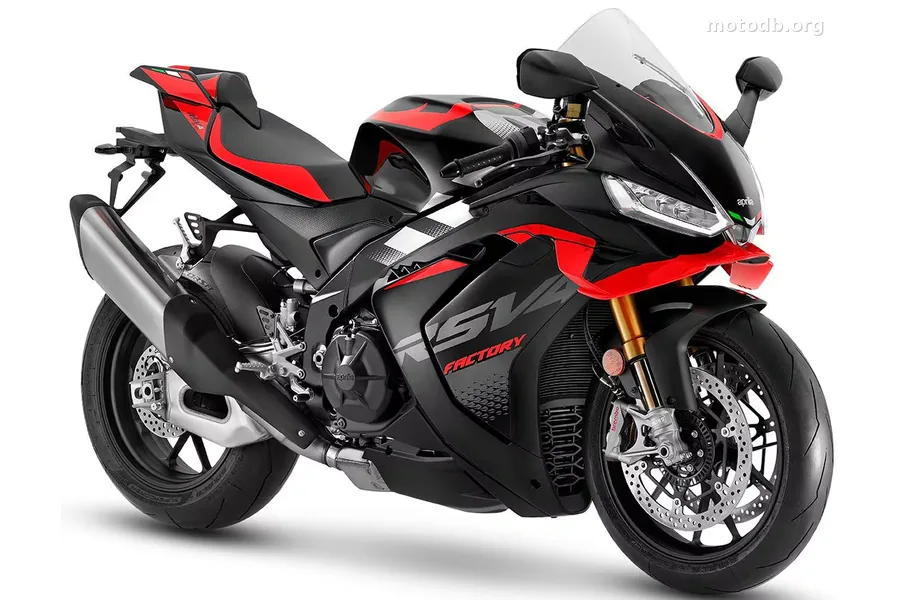
The Factory version pushes this logic to its ultimate conclusion. For 20,000 euros at the time, you took home 43 mm Öhlins inverted forks with titanium nitride coating, an Öhlins monoshock with remote reservoir, Brembo monobloc radial calipers, and forged aluminum wheels. Parts that other brands charged as options or reserved for their limited editions. On the Aprilia RSV4 Factory 2009, it’s standard equipment. The dry weight of 179 kg places the machine in a category of its own for the time; equivalent Japanese competitors often exceeded 185 kg when dressed. This difference in mass, combined with the V4’s compactness, gives a motorcycle that pivots differently, that loads the front with an unusually surgical precision.
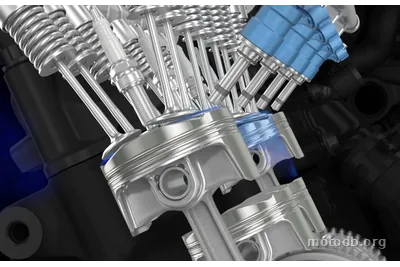
180 horsepower at 12,500 rpm and 115 Nm of torque at 10,000 rpm tell only part of the story. What strikes you more is the nature of the power, its progression, that feeling that the engine works in a very short and very dense register. The 65-degree V configuration, with square bores of 78 x 52.3 mm and a compression ratio of 12.8:1, produces a sound and response that inline four-cylinder competitors cannot imitate. One thinks of the old Honda RC45, but better built, better tuned. The announced top speed of 304 km/h is reached in sixth gear on the track, which is enough to clearly define the playing field.
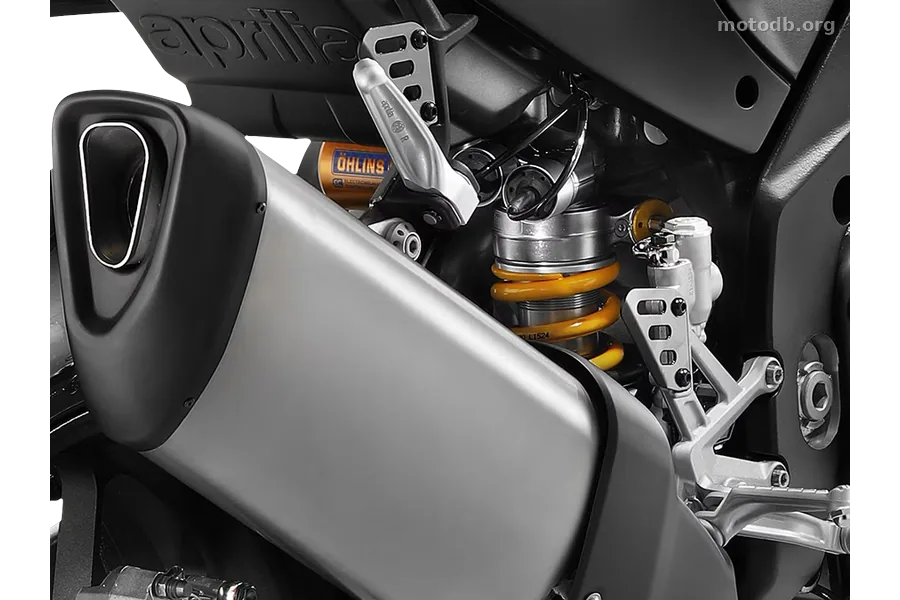
The Aprilia RSV4 Factory is a track bike with a license plate. The monoplace rear, the absence of a passenger footrest, the original-fit Pirelli Diablo Superbike tires: nothing is left to chance. It’s not a machine for touring, nor for daily use. The 810 mm seat height eliminates short statures from the start, and the 17-liter tank is just enough to cover a full session on the track. Finding an Aprilia RSV4 Factory used in good condition today represents a worthwhile investment, because this founding generation laid the foundations for everything Aprilia has built since, up to the 2019, 2020, 2021 and 2022 versions.
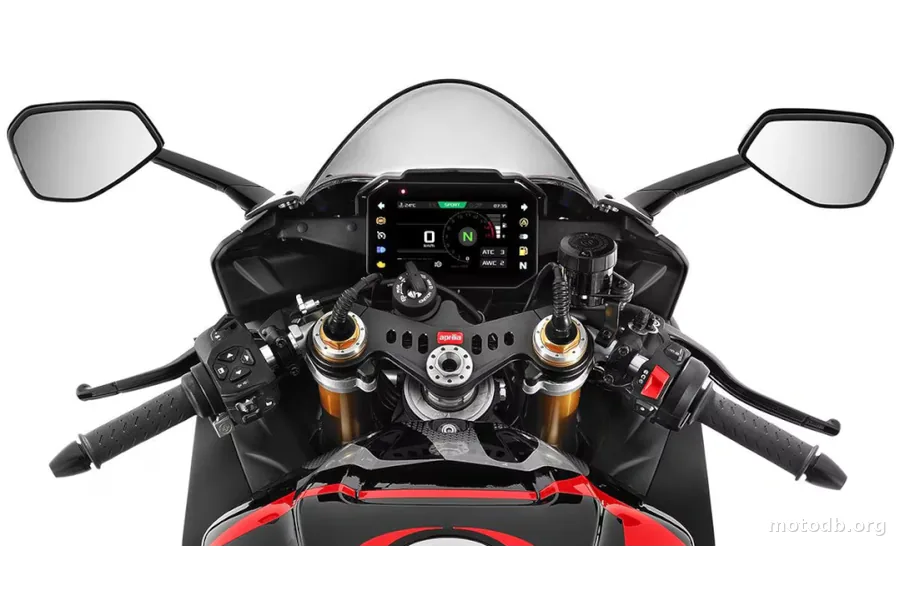
The target audience is defined without ambiguity: it’s the driver, not the Sunday rider. Someone who knows the difference between compression and rebound on a shock absorber, who understands why the engine’s position in the chassis changes behavior on corner entry. For this enthusiast, the Aprilia RSV4 Factory 2009 remains an absolute benchmark in the history of European sportbikes.
Practical info
- La moto est accessible aux permis : A
Indicators & positioning
Similar bikes
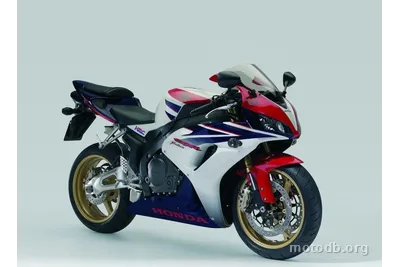
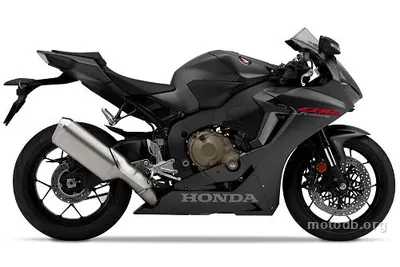
CBR 1000 RR Fireblade Repsol Replica
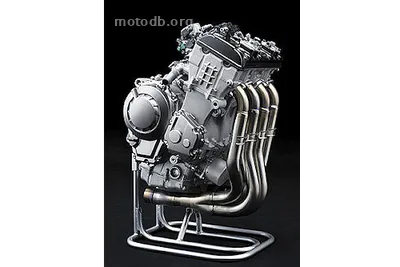
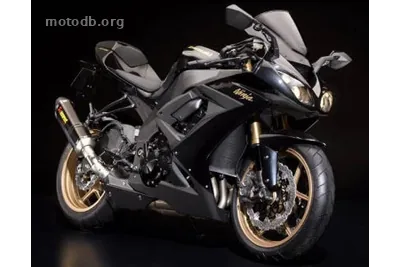
1000 ZX-10R 30ème anniversaire
Reviews & comments
No reviews yet. Be the first to share your opinion!