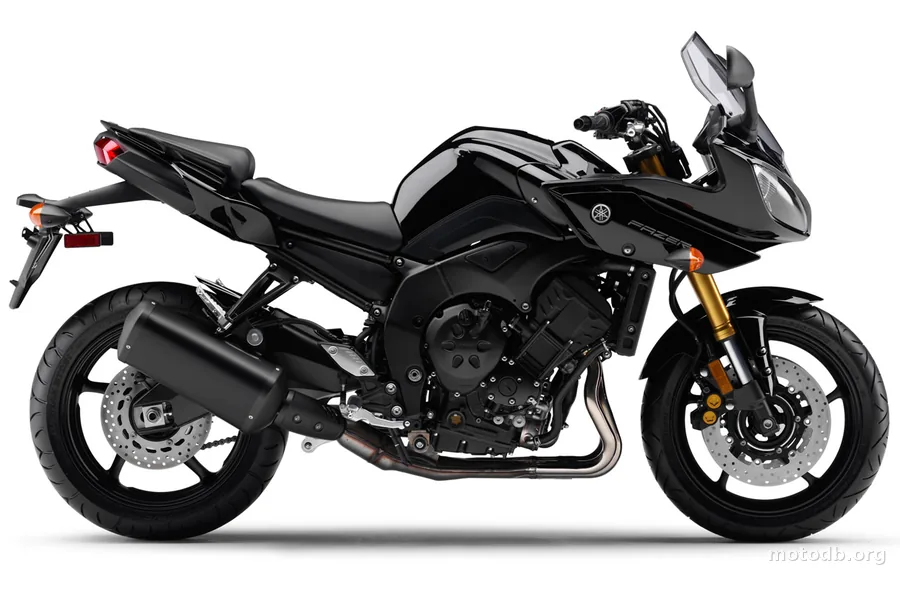
Key performance
Technical specifications
Engine
- Displacement
- 779 cc
- Power
- 106.0 ch @ 10000 tr/min (78.0 kW)
- Torque
- 82.0 Nm @ 8400 tr/min
- Engine type
- In-line four, four-stroke
- Cooling
- Liquid
- Compression ratio
- 12.0:1
- Bore × stroke
- 68.0 x 53.6 mm (2.7 x 2.1 inches)
- Valves/cylinder
- 4
- Camshafts
- 2 ACT
- Fuel system
- Injection. Electronic Fuel Injection
- Valve timing
- Double Overhead Cams/Twin Cam (DOHC)
- Lubrication
- Wet sump
- Ignition
- Transistorized coil ignition
- Starter
- Electric
Chassis
- Frame
- Diamond, aluminium
- Gearbox
- 6-speed
- Final drive
- Chain (final drive)
- Clutch
- Multiple-disc coil spring, Wet
- Front suspension
- Telescopic forks, 43 mm inner tube
- Rear suspension
- Swingarm, (link suspension)
Brakes
- Front brakes
- Single disc
- Rear brakes
- Single disc
- Front tyre
- 120/70-ZR17
- Front tyre pressure
- 2.50 bar
- Rear tyre
- 180/55-ZR17
- Rear tyre pressure
- 2.90 bar
Dimensions
- Seat height
- 815.00 mm
- Wheelbase
- 1460.00 mm
- Ground clearance
- 140.00 mm
- Length
- 2140.00 mm
- Width
- 770.00 mm
- Height
- 1225.00 mm
- Fuel capacity
- 17.00 L
- Weight
- 215.00 kg
- New price
- 8 499 €
Overview
Who remembers the era when Yamaha was trying to fill a gap in its lineup with a sharply styled inline four? In 2011, the Fazer 8 arrived with a clear mission: to offer a more substantial and less extreme alternative to the FZ1, while avoiding cannibalizing the overly sensible FZ6. The result is a machine that smells of thoughtful compromise, almost too sensible on paper, but which reveals a charming personality once in the saddle.
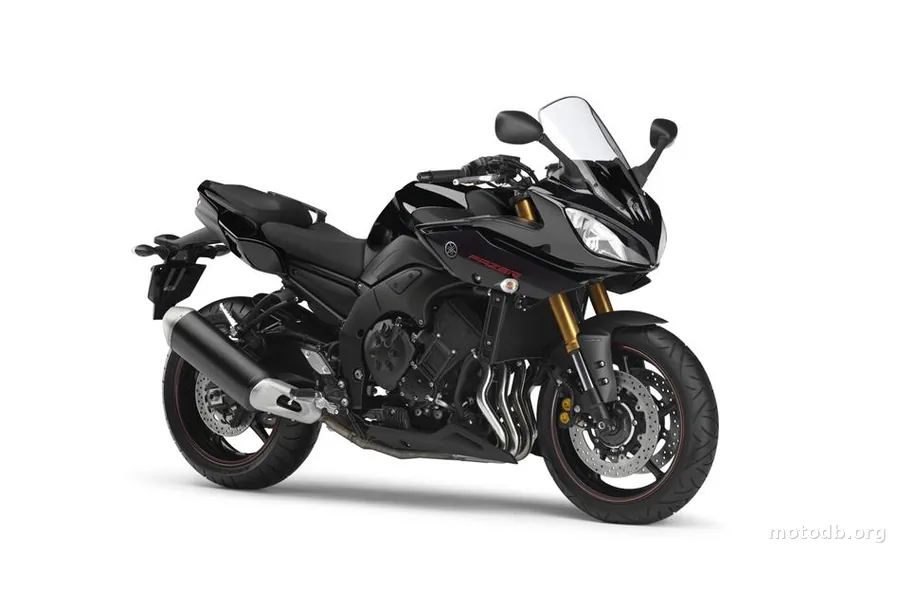
The heart of the beast is an inline four of 779 cm3, directly derived from the engine of the mythical 2004 R1, but seriously recalibrated. Yamaha reduced the bore to obtain a more civilized displacement, meticulously working on the filling to boost torque where it was lacking. Engineers played with the lengths of the intake tracts and opted for a generous airbox. The result? 106 horsepower at 10,000 rpm, but more importantly 82 Nm of torque available earlier. It's far from the fury of an R1, but that's precisely where its interest lies. It offers a supple and generous power delivery, perfect for swallowing up miles without drama, while still having enough character to entertain a demanding rider. Faced with a Kawasaki Z 750 of the time, more nervous and more raw, the Fazer 8 plays the card of flexibility and accessibility.
The chassis, for its part, is a direct inheritance from the Fazer 1000, and that’s a major asset. An aluminum diamond frame, a 43 mm inverted fork, and a swingarm worthy of a sportbike ensure impeccable stability. This oversized frame for the available power confers absolute serenity, whether on a windy straight or in tight corners. The braking system, with its two 310 mm discs and four-piston monoblock calipers, is effective and progressive. ABS was a welcome option, even if the absence of radial calipers may bother purists. But let's be honest, on a machine designed for the road and touring, it’s a detail. The weight of 215 kg fully fueled is felt when stationary, but once underway, the motorcycle proves surprisingly agile for its size.
So, who is the Fazer 8 for? It’s the ideal motorcycle for the sporty touring rider who doesn’t want to make concessions. The one who is looking for a machine capable of accompanying him to the office during the week, of setting off on a weekend trip for two with luggage, and of having fun on a mountain road on Sunday without being exhausted. The integrated fairing offers correct protection, the 815 mm seat is welcoming, and the 17-liter tank promises good autonomy. It doesn’t have the visual aggressiveness of a streetfighter, its design is functional and a little consensual, but it ages rather well.
Ultimately, the 2011 Fazer 8 is an excellent synthesis. It’s not the most powerful, nor the lightest, nor the most radical. But it possesses that rare quality: balance. It combines enough sportiness not to be boring and enough versatility to be used every day. At 8500 euros new, it positioned itself as a serious rival to Japanese roadsters. Today, on the used market, it represents a safe bet for a rider looking for a reliable, robust, and surprisingly capable machine in all situations. Proof that the middle ground, when well executed, is nothing like a mediocre compromise.
Practical info
- La moto est accessible aux permis : A
Indicators & positioning
Similar bikes
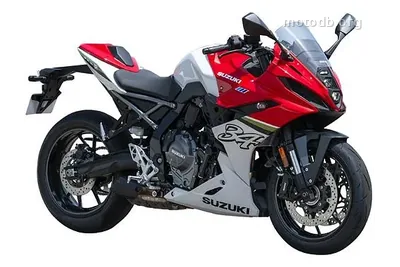
800 GSX-8R Legend Edition
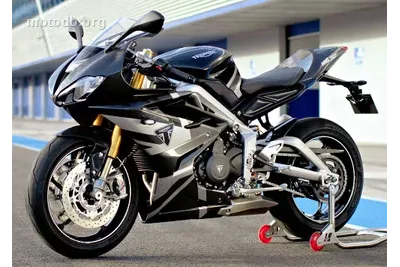
Daytona Moto2 765 Edition limitée
Reviews & comments
No reviews yet. Be the first to share your opinion!