Key performance
Technical specifications
Engine
- Displacement
- 844 cc
- Power
- 70.0 ch @ 8000 tr/min (51.1 kW)
- Torque
- 69.0 Nm @ 4800 tr/min
- Engine type
- In-line three, four-stroke
- Cooling
- Liquid
- Compression ratio
- 10 : 1
- Bore × stroke
- 76 x 65 mm
- Valves/cylinder
- 4
- Camshafts
- 2 ACT
- Starter
- Electric
Chassis
- Frame
- cadre porteur en acier
- Gearbox
- 6-speed
- Final drive
- Chain (final drive)
- Front suspension
- Fourche téléhydraulique Ø 43 mm, déb : 150 mm
- Rear suspension
- Mono-amortisseur, déb : 100 mm
Brakes
- Front brakes
- Dual disc
- Rear brakes
- Single disc
- Front tyre
- 110/80-18
- Rear tyre
- 160/80-16
Dimensions
- Seat height
- 725.00 mm
- Fuel capacity
- 15.00 L
- Weight
- 233.00 kg
- Dry weight
- 211.00 kg
- New price
- 8 687 €
Overview
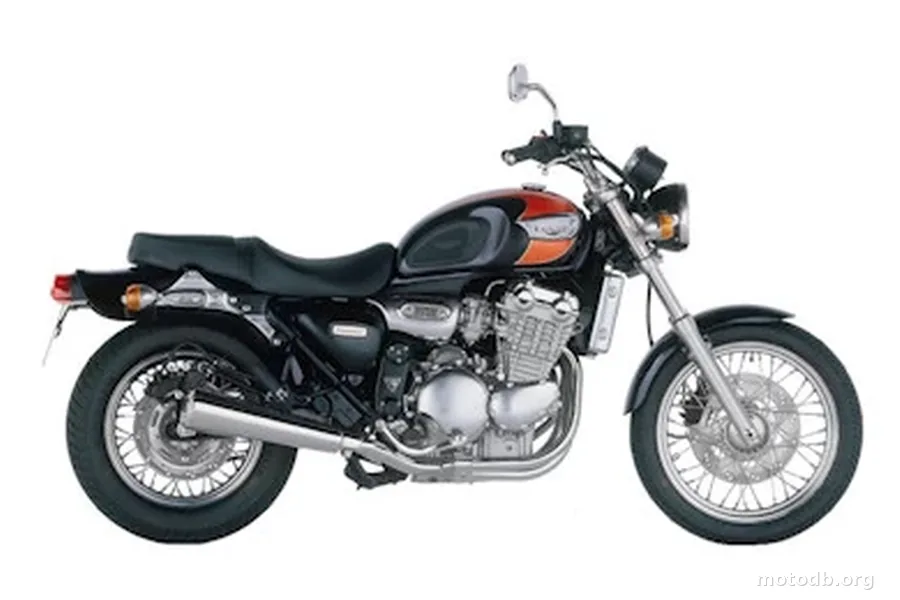
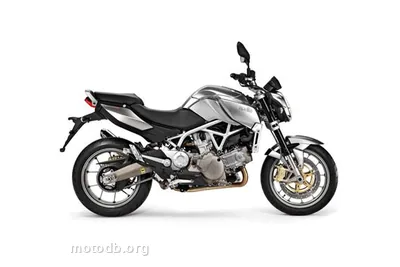
What drove Triumph, in the late 1990s, to spin off its Thunderbird into a pseudo-custom version? The answer comes down to one word: character. The Triumph Adventurer 900, produced between 1996 and 2000, borrows the mechanical foundation of the English roadster but dresses it up with cruiser-style attributes. Tall, swept-back handlebars, generous chrome on the engine cases, a redesigned rear fender, and a lowered seat at 725 mm. The result is a machine with a crafted look, a Triumph Adventurer that resembles no Japanese bike in the segment. The fit and finish, meticulous as was often the case from Hinckley in that era, makes you want to walk around it before even turning the key.
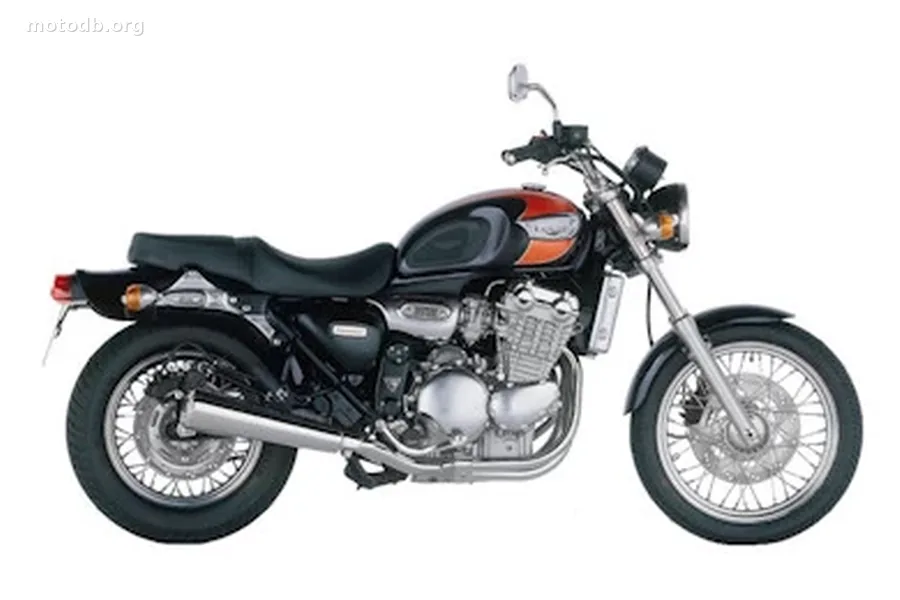
Beneath the 15-litre tank beats the heart of the matter: an inline three-cylinder displacing 844 cc, fed by four valves per cylinder and a 10:1 compression ratio. The 70 horsepower delivered at 8,000 rpm won't frighten anyone on paper, but it's the torque that tells the real story. With 69 Nm available from just 4,800 rpm, the Triumph Adventurer pulls cleanly and smoothly through the mid-range. This triple has a sound signature and a creamy delivery that the custom V-twins of the era, whether a Honda Shadow or a Yamaha Dragstar, simply cannot replicate. The six-speed gearbox and chain final drive round out a pleasant mechanical package, capable of pushing the 233 kg wet weight up to 190 km/h. It's no sportbike, but rolling back on the throttle out of a bend remains a genuine pleasure.
First impressions aboard this 2000 Triumph Adventurer are immediately reassuring. The low seat accommodates all builds, including shorter riders who sometimes struggle to flat-foot competing machines. The steel backbone frame and 43 mm telescopic hydraulic fork deliver safe and predictable handling. You catch yourself carving through back roads with a sly grin, almost surprised at how willingly this faux-custom agrees to lean in. The flip side comes from the tall handlebars, which widen the turning circle and make low-speed manoeuvres a bit clumsy in a tight car park. For daily urban use, this point deserves consideration.
The real shortcoming of the Triumph Adventurer 900, the one every test confirms, lies at the rear. The single shock absorber, limited to 100 mm of travel, sorely lacks progressiveness on rough pavement. Speed bumps and road surface joints send sharp jolts straight into your lower back. A better-quality shock would transform the comfort of this machine. For those shopping for a used Triumph Adventurer 900, this is in fact the first item to budget for: a quality rear unit and possibly a better-padded Triumph Adventurer seat radically change the experience. The Triumph Adventurer 900 spec sheet also reveals braking that is adequate but nothing more, with dual front discs and a single rear disc—sufficient for the weight and performance but without any exceptional bite.
Who is this atypical Brit aimed at? Riders who want custom style without sacrificing engine character. Enthusiasts of original powertrains who find Japanese twins too bland. Shorter riders drawn to that accessible seat height. On the used market, the Triumph Adventurer 900's reasonable fuel consumption and decent Triumph Adventurer parts availability make it a sensible proposition at around 3,000 to 4,000 euros depending on condition. Some even convert it into a café racer, the triple base lending itself well to the exercise. At 8,687 euros new in its day, it was already a heart-over-head choice. Twenty-five years on, that heart still beats.
Practical info
- La moto est accessible aux permis : A
Indicators & positioning
Similar bikes
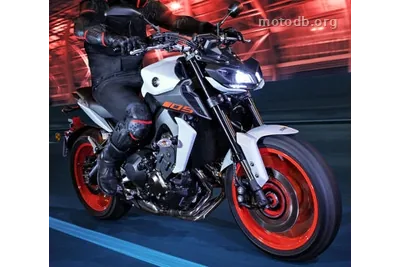
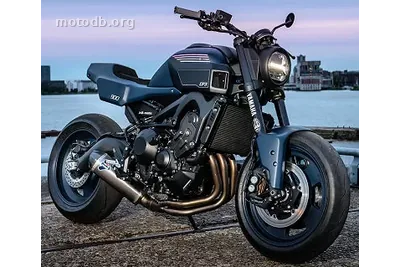
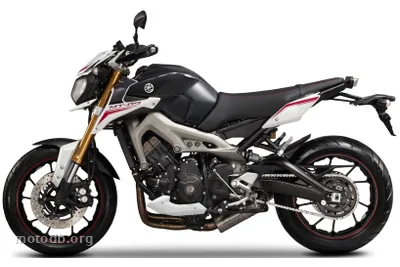
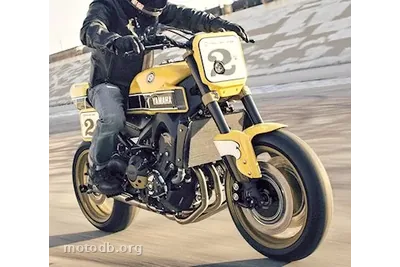
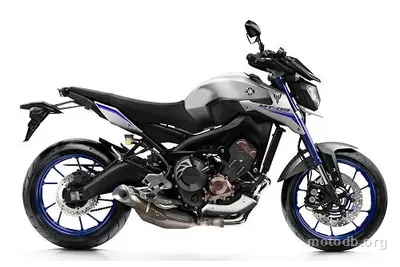
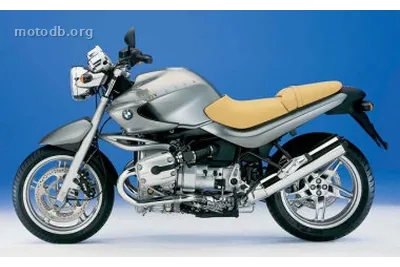
MT-09 850 Faster Sons - Faster Wasp -
Reviews & comments
No reviews yet. Be the first to share your opinion!