Key performance
Technical specifications
Engine
- Displacement
- 1200 cc
- Power
- 78.0 ch @ 6100 tr/min (57.4 kW)
- Torque
- 106.0 Nm @ 4000 tr/min
- Engine type
- Bicylindre parallèle, 4 temps, calé à 270°
- Cooling
- combiné air / eau
- Compression ratio
- 10:1
- Bore × stroke
- 97.6 x 80 mm
- Valves/cylinder
- 4
- Camshafts
- 1 ACT
- Fuel system
- Injection
- Starter
- électrique
- Euro standard
- Euro 5+
Chassis
- Frame
- tubulaire en acier
- Gearbox
- boîte à 6 rapports
- Final drive
- Chaîne
- Front suspension
- Fourche téléhydraulique Ø 47 mm, déb : 90 mm
- Rear suspension
- type hardtail (factice) - monoamortisseur sous la selle, déb : 77 mm
Brakes
- Front brakes
- Freinage 2 disques Brembo Ø 310 mm, étrier 2 pistons
- Rear brakes
- Freinage 1 disque Nissin Ø 255 mm, étrier 2 pistons
- Front tyre
- 130/90-16
- Rear tyre
- 150/80-16
Dimensions
- Seat height
- 690.00 mm
- Fuel capacity
- 12.00 L
- Weight
- 251.00 kg
- New price
- 16 795 €
Overview
Triumph plays the limited edition card with Swiss watchmaker regularity. Every year, the Bonneville range dresses up in a new "Icon" collection, and the 2025 Bobber arrives in a livery unseen for some time: deep black striped with silver bands, bordered by hand-painted gold pinstripes. On the tank flanks, the Triumph logo revives the exact calligraphy of the 1907 badge — the one that had replaced the original emblem before disappearing for over a century into the Hinckley archives. A subtle historical nod, perhaps even too subtle.
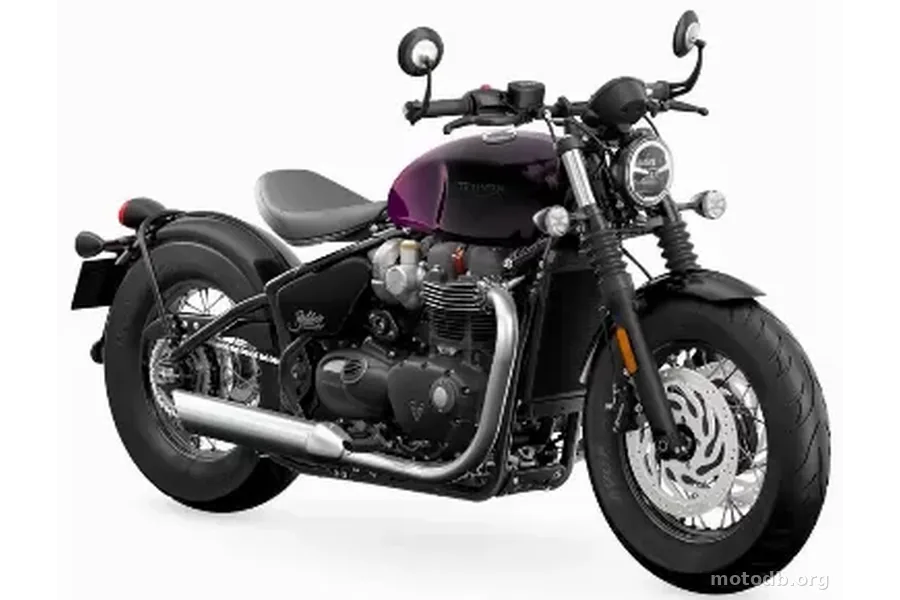
And that is where the shoe pinches. The 2022 Gold Line had set the bar high, with its gold pinstripes running the full length of the silhouette. The Speedmaster Icon Edition from that same collection plays the same tune with greater confidence, its chrome curves visible from twenty metres away. The Bobber, by contrast, maintains an almost monastic restraint for a special edition billed at €800 more than the standard version, totalling €16,795. That is no negligible sum for a few brushstrokes and a logo exhumed from the archives.
Beneath the bodywork, nothing changes — and that is a good thing. The 1,200 cc parallel twin fired at 270 degrees produces 78 hp at 6,100 rpm and, more importantly, 106 Nm available from 4,000 rpm. That early torque is the soul of the Bobber: a strong, almost brutal pull in the mid-range that pins the rider to the seat without needing to downshift. Against the Indian Scout or Harley-Davidson Forty-Eight that compete in the same stylistic arena, the Triumph twin delivers a more European note — less muffled, with the characteristic grain of large-bore engines. The 251 kg fully fuelled is very much present, and the 690 mm seat height raises practicality questions for shorter riders, even if that type of buyer is generally not prioritising accessibility above all else.
The silhouette continues to turn heads. The fake hardtail rear end, the sprung solo seat, the 47 mm telescopic fork, the balloon tyres in 130/90-16 at the front and 150/80-16 at the rear, the 310 mm Brembo discs with their twin-piston calipers: everything contributes to a fifties hot-rod aesthetic. But Triumph had the intelligence not to stop at posturing. Two riding modes, ABS, switchable traction control, cruise control, and LED daytime running lights make the Bobber a genuinely usable everyday custom, without the usual compromises one tolerates on this type of machine. That is the great British advantage over the American competition, which is often less generous with onboard electronics.
The intended audience here is not the practical rider looking for a versatile commuter. It is the aesthetics enthusiast, the discreet collector, the one who appreciates a historical reference without needing it spelled out in bold. For that profile, the Icon Edition delivers on its promise honestly. For everyone else, the standard version at €15,995 offers exactly the same motorcycle, with bodywork that is admittedly less historically charged but every bit as appealing. The question is not whether the Bobber Icon Edition is a beautiful motorcycle — it unquestionably is. The question is whether an €800 premium for a century-old logo and a few gold pinstripes represents a justified investment. Each rider will decide according to their own convictions, and their attachment to the history of a brand that, since Coventry, has never stopped telling it.
Standard equipment
- Assistance au freinage : ABS de série
- Nombre de mode de conduite : 2
- Indicateur de vitesse engagée
- Régulateur de vitesse
- Contrôle de traction
- Embrayage anti-dribble
- Jantes à rayon
Practical info
- La moto est accessible aux permis : A
Indicators & positioning
Similar bikes
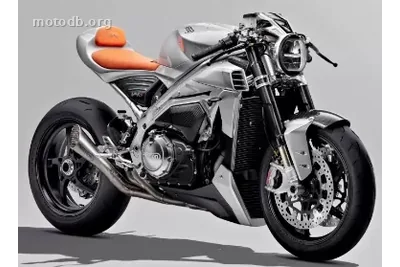
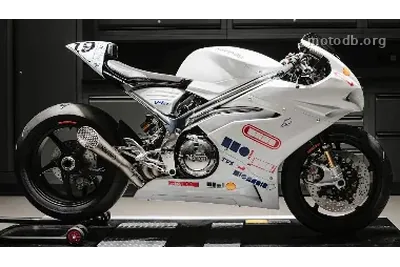
1200 V4 SV One of One 'RCW 588 replica'
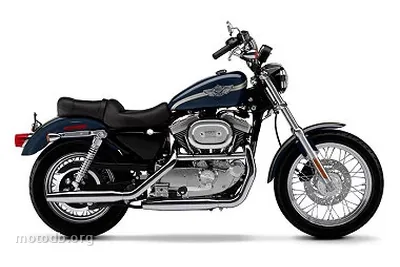
XLH Sportster 1200
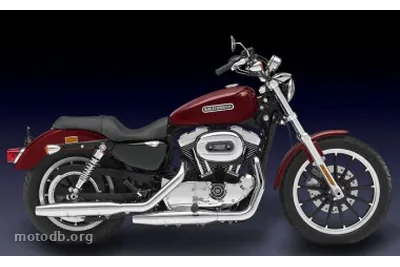
XL 1200 SPORTSTER LOW
Reviews & comments
No reviews yet. Be the first to share your opinion!