Key performance
Technical specifications
Engine
- Displacement
- 125 cc
- Power
- 11.9 ch @ 8500 tr/min (8.7 kW)
- Torque
- 9.2 Nm @ 7000 tr/min
- Engine type
- Single cylinder, four-stroke
- Cooling
- Air
- Compression ratio
- 10.2:1
- Bore × stroke
- 57.0 x 49.5 mm (2.2 x 1.9 inches)
- Fuel system
- Carburettor
- Lubrication
- pressure and splash
- Ignition
- C.D.I non-contact ignition
- Starter
- Electric & kick
Chassis
- Frame
- DAIMOND
- Gearbox
- 5-speed
- Final drive
- Chain (final drive)
- Clutch
- manual, wet and multiple
- Rear suspension
- Hydraulic spring
Brakes
- Front brakes
- Single disc. 1-piston calipers
- Rear brakes
- Expanding brake (drum brake)
Dimensions
- Wheelbase
- 1297.00 mm
- Ground clearance
- 150.00 mm
- Length
- 2095.00 mm
- Width
- 740.00 mm
- Height
- 1120.00 mm
- Fuel capacity
- 13.00 L
- Dry weight
- 115.00 kg
Overview
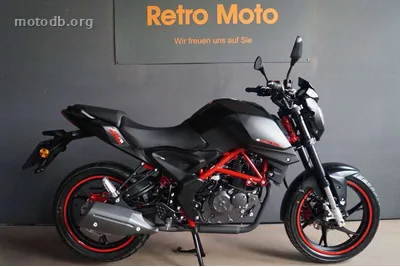
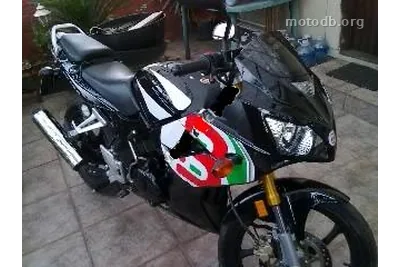
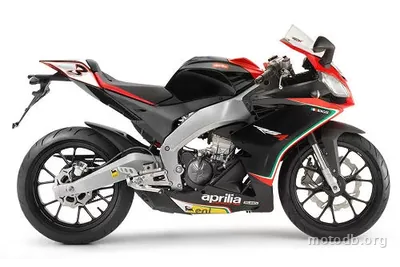
At a time when 125cc motorcycles dreamed of being Grand Prix replicas, the 2008 Ravi Piaggio Storm 125 adopted a more pragmatic position. Its 125cc four-stroke single-cylinder engine, fed by a carburetor and air-cooled, did not promise to revolutionize the segment. With 11.9 horsepower at 8500 rpm and 9.2 Nm at 7000 rpm, it was a restrained engine, designed for endurance and economy rather than hysterical peak revs. The steel diamond frame and a wheelbase of 1297 mm defined an elongated silhouette, vaguely reminiscent of sportbikes without their nervousness.
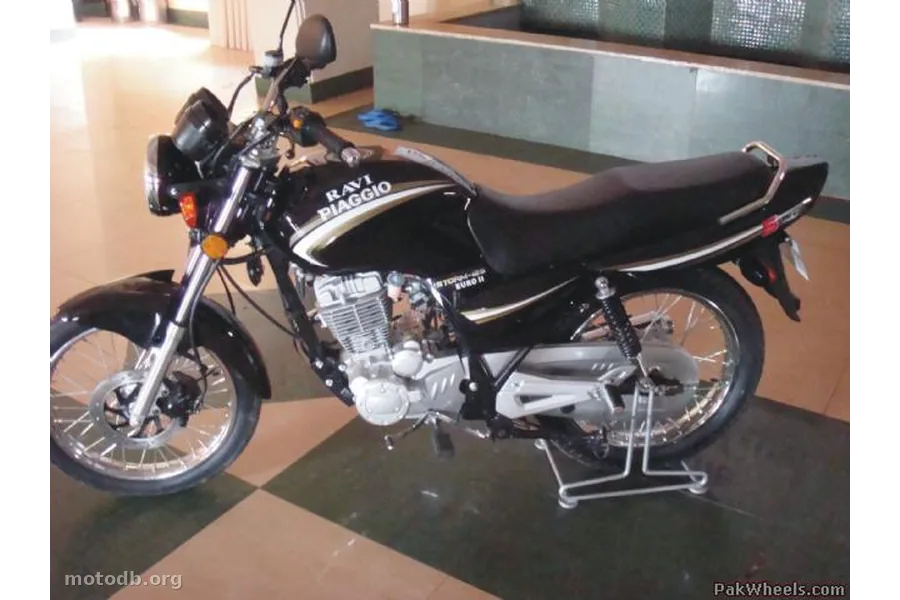
This engine breathed the simplicity of an era coming to an end. A bore of 57 mm and a stroke of 49.5 mm gave a displacement of 125 cc with a compression ratio of 10.2:1, figures that announced docile operation and measured consumption. The 2.1 liters per hundred kilometers and the 13-liter tank offered comfortable range for daily use or student getaways. The five-speed transmission and chain final drive completed a mechanical picture without surprises, almost reassuring in its lack of pretension.
The rolling chassis confirmed this utilitarian vocation. The mixed braking system, with a disc at the front and a drum at the rear, was sufficient for the advertised 115 kg dry weight, but left no room for excess. The hydraulic spring rear suspension and ground clearance of 150 mm clearly positioned the Storm 125 in the tarmac domain. It could brush 130 km/h at top speed, an honorable figure for the category, but its role was to ensure reliable journeys, not to shine on the track.
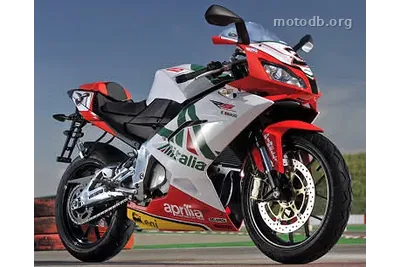
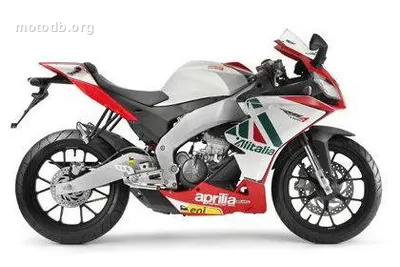
Faced with Aprilia RS 125 two-stroke engines or more sophisticated Yamaha YZF-R125 models, the Ravi Piaggio Storm 125 assumed a different identity. It did not seek to seduce budding racers with aggressive aesthetics and nascent electronics. It targeted instead the novice motorcyclist, the student or the city dweller needing an economical, robust vehicle, stylish enough not to look like a simple tool. Its sporty line was a suit, not a promise of performance.
Today, this motorcycle represents a rational choice in the used market for a first two-wheeled vehicle. Its simple engine proves easy to maintain, its proven mechanics limit unpleasant surprises, and its look ages rather well. It is suitable for those seeking a mount to learn without breaking the bank, cover long distances on a tight budget, or simply taste the freedom of two wheels without the complications of more demanding machines. The Storm 125 was never a legend, but it fulfilled its mission with a certain honesty.
Reviews & comments
No reviews yet. Be the first to share your opinion!