Key performance
Technical specifications
- Displacement
- 980 cc → 998 cc
- Power
- 85.0 ch @ 7600 tr/min (62.0 kW) → 136.0 ch @ 9750 tr/min (99.3 kW)
- Torque
- — → 105.0 Nm @ 7500 tr/min
- Engine type
- In-line three, four-stroke → V2, four-stroke
- Cooling
- Air → Liquid
- Compression ratio
- 9.0:1 → 11.8:1
- Bore × stroke
- 75.0 x 74.0 mm (3.0 x 2.9 inches) → 97.0 x 67.5 mm (3.8 x 2.7 inches)
- Valves/cylinder
- 2 → 4
- Frame
- — → High tensile CrMO steel lattice frame with milled aluminium alloy side plates, steering damper
- Gearbox
- 5-speed → —
- Final drive
- Chain (final drive) → —
- Front suspension
- — → 43mm Öhlins titanium nitride coated upside-down fork
- Rear suspension
- — → Aluminium alloy swing-arm; Öhlins racing
- Front wheel travel
- — → 120 mm (4.7 inches)
- Front brakes
- Dual disc → Double disc
- Front tyre
- 110/90-18 → 3.50-17
- Rear tyre
- 130/80-18 → 6.00-17
- Fuel capacity
- 20.50 L → —
- Weight
- 258.00 kg → —
Engine
- Displacement
- 998 cc
- Power
- 136.0 ch @ 9750 tr/min (99.3 kW)
- Torque
- 105.0 Nm @ 7500 tr/min
- Engine type
- V2, four-stroke
- Cooling
- Liquid
- Compression ratio
- 11.8:1
- Bore × stroke
- 97.0 x 67.5 mm (3.8 x 2.7 inches)
- Valves/cylinder
- 4
- Valve timing
- Double Overhead Cams/Twin Cam (DOHC)
Chassis
- Frame
- High tensile CrMO steel lattice frame with milled aluminium alloy side plates, steering damper
- Front suspension
- 43mm Öhlins titanium nitride coated upside-down fork
- Rear suspension
- Aluminium alloy swing-arm; Öhlins racing
- Front wheel travel
- 120 mm (4.7 inches)
Brakes
- Front brakes
- Double disc
- Rear brakes
- Single disc
- Front tyre
- 3.50-17
- Rear tyre
- 6.00-17
Overview
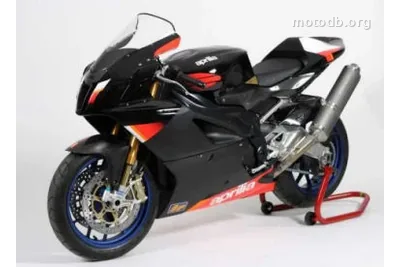
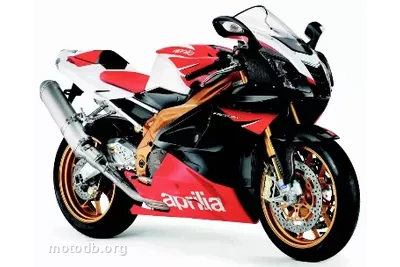
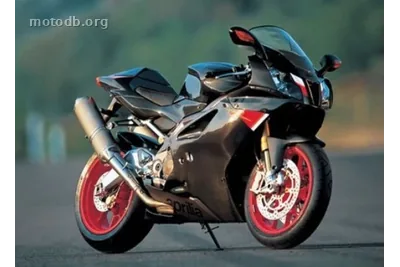
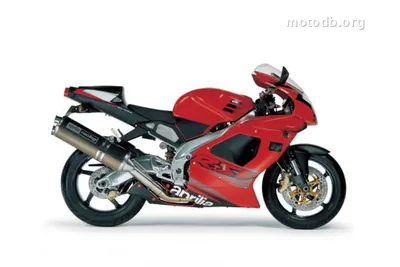
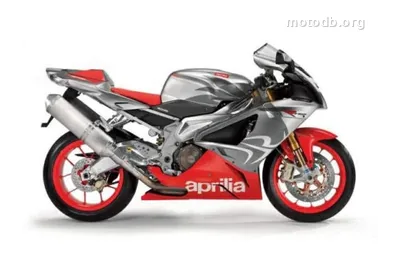
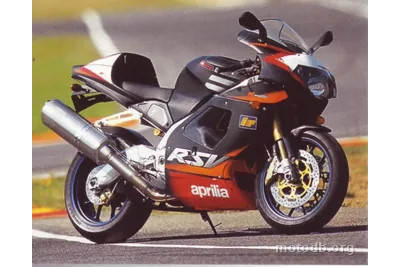
In 2004, reviving Laverda with a sporty 1000 cm3 V2 felt like a sacrilegious challenge. The legacy was heavy, woven with roaring triples and legendary machines like the 1000 3C. The Italian brand, then in the hands of an industrial group, chose the path of technical purism, almost raw. This Laverda 1000 did not seek to seduce the masses; it targeted the demanding collector and the nostalgic rider of an era when mechanics took precedence over electronics. Its CrMO steel trellis frame, reinforced with machined aluminum flanges, announced the color: a rigid structure, designed to handle the power of a 136 horsepower V2 engine. The standard steering damper confirmed this radical orientation, ready to tame the whims of an engine positioned low and forward.
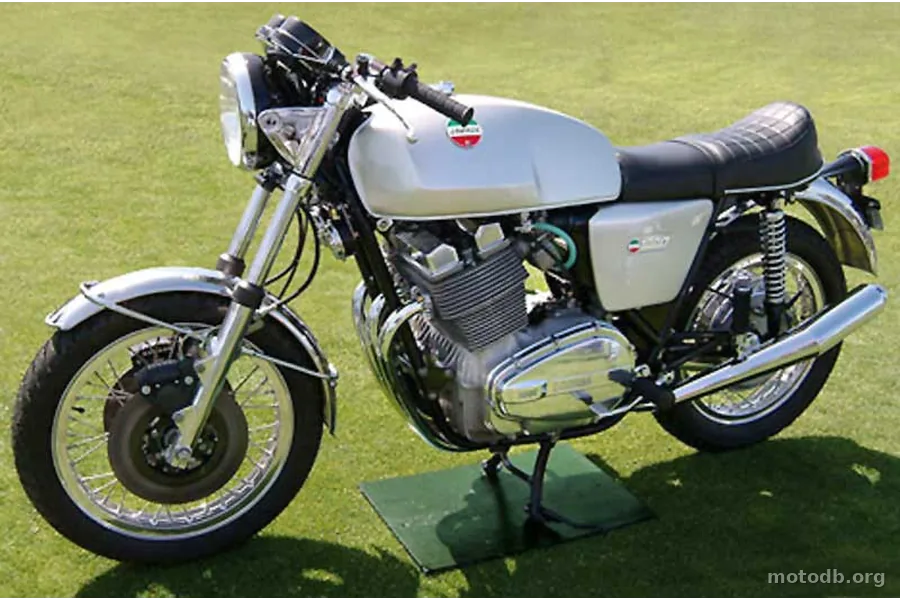
This engine, precisely, is a source of pride. With a bore of 97 mm and a stroke of 67.5 mm, the 997.6 cm3 V2 displays square dimensions, cut for liveliness. The compression ratio of 11.8:1 and the four valves per cylinder allow the machine to unleash its 99.3 kW at 9750 rpm, while the massive torque of 105 Nm frankly awakens at 7500 rpm. This is far from the suppleness of a modern twin; here, you have to rev the engine, put it under pressure. The distribution of mass, with this compact V2, was intended to offer lively directional behavior, a motorcycle that throws itself into curves more than it leans into them. Liquid cooling ensures performance at high RPM, but the soul of this mechanics remains arid, mechanical, without compromise.
The equipment, for the time, borders on indecency. An Öhlins 43 mm inverted fork with titanium nitride treatment, a single Öhlins shock absorber of the same brand, an aluminum swingarm: the specifications seem dictated by a race preparer. The brakes, double disc at the front and single at the rear, were to be up to the proposition, probably signed Brembo. The tires, in classic 120/70 and 180/55 dimensions on 17-inch rims, anchored the motorcycle in its time, ready to transmit the intentions of a chassis as precise as it is demanding. Everything here breathes the search for a pure connection, without electronic filtering. No traction control, no riding modes, just a frame, an engine and top-of-the-line suspensions.
Compared to the Japanese sportbikes of the era, the Suzuki GSX-R1000 or the Honda CBR1000RR Fireblade, the Laverda 1000 looked like an anachronistic work of art. More expensive, rarer, less versatile and certainly more intimidating, it did not target Sunday track days but the showcase of the aesthete. Its high price and confidential production immediately made it a collector's item. It represents the last, beautiful and somewhat desperate, attempt to embody a certain ideal of Italian sports motorcycle, where raw sensation outweighs measured performance. For those seeking the authenticity of a bygone era, it remains a mechanical grail. For others, it is a magnificent memory of a time when the madness of engineers could still prevail over market studies.
Reviews & comments
No reviews yet. Be the first to share your opinion!