Key performance
Technical specifications
- Power
- 118.0 ch @ 12500 tr/min (86.8 kW) → 123.0 ch @ 14000 tr/min (71.5 kW)
- Torque
- 66.7 Nm @ 9800 tr/min → 68.9 Nm @ 12000 tr/min
- Engine type
- 4 cylindres en ligne, 4 temps → In-line four, four-stroke
- Cooling
- liquide → Liquid
- Compression ratio
- 13:1 → 13.9:1
- Bore × stroke
- 67 x 42.5 mm → 67.0 x 42.5 mm (2.6 x 1.7 inches)
- Fuel system
- Injection Ø 38 mm → Injection. DFI with Keihin 38mm Throttle Bodies (4)
- Lubrication
- — → Wet sump
- Ignition
- — → Battery and coil, TCBI w/electronic advance
- Starter
- — → Electric
- Frame
- périmétrique en aluminium → matte-black aluminum frame
- Gearbox
- boîte à 6 rapports → 6-speed
- Final drive
- Chaîne → Chain (final drive)
- Clutch
- — → Wet multi-disc
- Front suspension
- Fourche téléhydraulique inversée Ø 41 mm, déb : 120 mm → Front Suspension: 41mm Inverted Cartridge Fork with Adjustable Preload, Stepless Rebound and Compression Damping,TiSiCN Coating
- Rear suspension
- Mono-amortisseur, déb : 135 mm → Uni-Trak with Adjustable Preload, Stepless Rebound, High and Low Speed Compression Damping, and Ride Height
- Front wheel travel
- — → 119 mm (4.7 inches)
- Rear wheel travel
- — → 135 mm (5.3 inches)
- Front brakes
- Freinage 2 disques Ø 280 mm, fixation radiale, étrier 4 pistons → Double disc. Dual 300mm Floating Discs with Radial-Mount, Opposed 4-Piston Calipers
- Rear brakes
- Freinage 1 disque Ø 220 mm, étrier simple piston → Single disc. Single 220mm Disc
- Front tyre
- 120/65-17 → 120/65-17
- Rear tyre
- 180/55-17 → 180/55-17
- Seat height
- 825.00 mm → 820.00 mm
- Wheelbase
- — → 1400.00 mm
- Ground clearance
- — → 119.00 mm
- Fuel capacity
- 18.00 L → 17.00 L
- Weight
- 191.00 kg → —
- Dry weight
- 161.00 kg → 164.20 kg
- New price
- 10 699 € → 10 799 €
Engine
- Displacement
- 599 cc
- Power
- 123.0 ch @ 14000 tr/min (71.5 kW)
- Torque
- 68.9 Nm @ 12000 tr/min
- Engine type
- In-line four, four-stroke
- Cooling
- Liquid
- Compression ratio
- 13.9:1
- Bore × stroke
- 67.0 x 42.5 mm (2.6 x 1.7 inches)
- Valves/cylinder
- 4
- Camshafts
- 2 ACT
- Fuel system
- Injection. DFI with Keihin 38mm Throttle Bodies (4)
- Lubrication
- Wet sump
- Ignition
- Battery and coil, TCBI w/electronic advance
- Starter
- Electric
Chassis
- Frame
- matte-black aluminum frame
- Gearbox
- 6-speed
- Final drive
- Chain (final drive)
- Clutch
- Wet multi-disc
- Front suspension
- Front Suspension: 41mm Inverted Cartridge Fork with Adjustable Preload, Stepless Rebound and Compression Damping,TiSiCN Coating
- Rear suspension
- Uni-Trak with Adjustable Preload, Stepless Rebound, High and Low Speed Compression Damping, and Ride Height
- Front wheel travel
- 119 mm (4.7 inches)
- Rear wheel travel
- 135 mm (5.3 inches)
Brakes
- Front brakes
- Double disc. Dual 300mm Floating Discs with Radial-Mount, Opposed 4-Piston Calipers
- Rear brakes
- Single disc. Single 220mm Disc
- Front tyre
- 120/65-17
- Rear tyre
- 180/55-17
Dimensions
- Seat height
- 820.00 mm
- Wheelbase
- 1400.00 mm
- Ground clearance
- 119.00 mm
- Fuel capacity
- 17.00 L
- Dry weight
- 164.20 kg
- New price
- 10 799 €
Overview
Did Kawasaki still need a Ninja ZX-6R? In 2005, as the ZX-10R had just won Masterbike and was restoring the green brand's reputation, the answer was obvious: a similarly determined little sister was needed. The 636 of 2002 had already proven that a sportbike could be formidable without being unbearable. The new version, this ZX-6RR of 2006, doesn't just follow in its footsteps; it wants to carve them deeper.
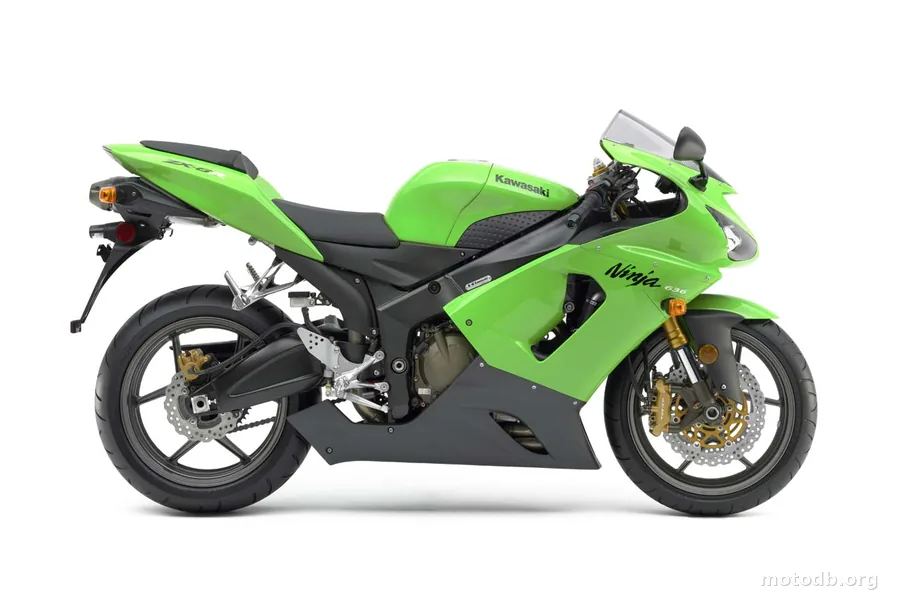
The family resemblance is immediately recognizable. The fairing has been sculpted for efficiency, with a lower belly pan reminiscent of a Ducati 999, giving the impression of a machine ready to take off. The headlights are sharper, the turn signals are integrated, and the rear end borrows from the very seductive 10R, with the exhaust hidden under the seat. The matte black aluminum frame and the massive swingarm complete its MotoGP prototype look. It’s an aesthetic that speaks directly to the track rider, but doesn’t deter the experienced road rider.
The engine, for its part, isn't delicate. Kawasaki reworked almost everything. New pistons, cylinder head, camshafts, larger valves, a reinforced crankshaft, and especially this fuel system with two injectors per cylinder. The result? For the RR version, compliant with 599 cc regulations, you get 123 horsepower at 14,000 rpm, with a torque of 68.9 Nm at 12,000 rpm. These figures were simply impressive for a 600 in 2006. The engine remains faithful to the Kawasaki spirit: it’s flexible and usable from low RPM, thanks to a valve in the exhaust, but when the tachometer passes 12,000 rpm, it transforms. The inline four-cylinder becomes ferocious, howling and delivering all its power without compromise. That’s where the rider must demonstrate their mastery.
To handle this liveliness, the chassis has been redesigned. The wheelbase is shorter, the rider's position is closer to the steering, and the suspension, an inverted cartridge fork at the front and a Uni-Trak at the rear, are adjustable in all parameters. They are firm and rigorous, but without the excessive radicality that makes some sportbikes impractical. The motorcycle weighs 164 kg dry, a very controlled weight that contributes to its agility. The brakes, with their twin floating 300mm discs and radial four-piston calipers at the front, are remarkably effective, sometimes even a little brutal for those seeking progressiveness. The petal rims and discs complete a package oriented towards pure performance.
On the saddle, the Ninja ZX-6RR confirms its intentions. The 820 mm seat is high but not inaccessible, the riding position is engaged but less extreme than on some competitors like the Honda CBR600RR or the Yamaha YZF-R6 of the time. It is lively, precise, and instills immediate confidence. Braking is a strong point, stability in corners is excellent, and the six-speed gearbox operates smoothly. It’s a machine that demands respect when its engine is under full load, but remains approachable and almost friendly in everyday use. For a road rider who also wants to taste the track, or for a track rider who doesn’t want to suffer on the road, it represented a brilliant compromise.
Its price, around 10,800 euros at its launch, placed it at the top of the 600 sport class. But it justified this investment through its balance and performance. It wasn’t the most radical, but it was perhaps the most complete. Kawasaki had succeeded in creating a sportbike that didn’t sacrifice pleasure for performance, a Ninja that, even today, remains a benchmark for those seeking a machine capable of everything, or almost.
Practical info
- La moto est accessible aux permis : A
Indicators & positioning
Similar bikes
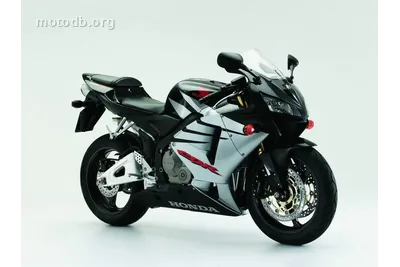
CBR 600 RR Replica MOVISTAR
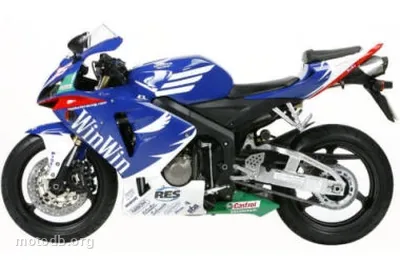
CBR 600 RR Replica WIN WIN Sébastien Charpentier
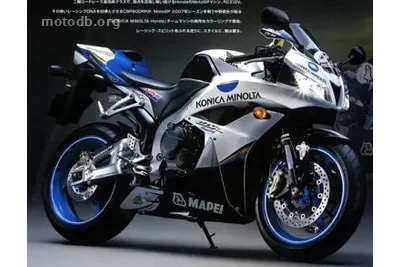
CBR 600 RR Konica Minolta Replica
Reviews & comments
No reviews yet. Be the first to share your opinion!