Key performance
Technical specifications
Engine
- Displacement
- 599 cc
- Power
- 128.0 ch @ 14000 tr/min (94.1 kW)
- Torque
- 66.7 Nm @ 11800 tr/min
- Engine type
- 4 cylindres en ligne, 4 temps
- Cooling
- liquide
- Compression ratio
- 13.3:1
- Bore × stroke
- 67 x 42.5 mm
- Valves/cylinder
- 4
- Camshafts
- 2 ACT
- Fuel system
- Injection Ø 38 mm
Chassis
- Frame
- périmétrique en aluminium embouti
- Gearbox
- boîte à 6 rapports
- Final drive
- Chaîne
- Front suspension
- Fourche téléhydraulique inversée Ø 41 mm, déb : 120 mm
- Rear suspension
- Monoamortisseur à gaz, système UniTrak, déb : 134 mm
Brakes
- Front brakes
- Freinage 2 disques en pétale Ø 300 mm, étrier 4 pistons
- Rear brakes
- Freinage 1 disque en pétale Ø 220 mm, étrier simple piston
- Front tyre
- 120/70-17
- Rear tyre
- 180/55-17
Dimensions
- Seat height
- 815.00 mm
- Fuel capacity
- 17.00 L
- Weight
- 191.00 kg
- Dry weight
- 157.00 kg
- New price
- 11 099 €
Overview
Sometimes, one wonders what goes on in Kawasaki’s design offices. In 2009, they took the ZX-6R, this mid-size sportbike that was starting to gain a little extra weight, and gave it a radical overhaul. The result? A Ninja that doesn’t even try to be nice. It stares you down with its aggressive look, directly inspired by the larger ZX-10R, and clearly announces its intentions: war on the track. It’s no longer a 600 pretending to be something it’s not; it’s a machine built for pure performance, a precision tool where every gram has been scrutinized.
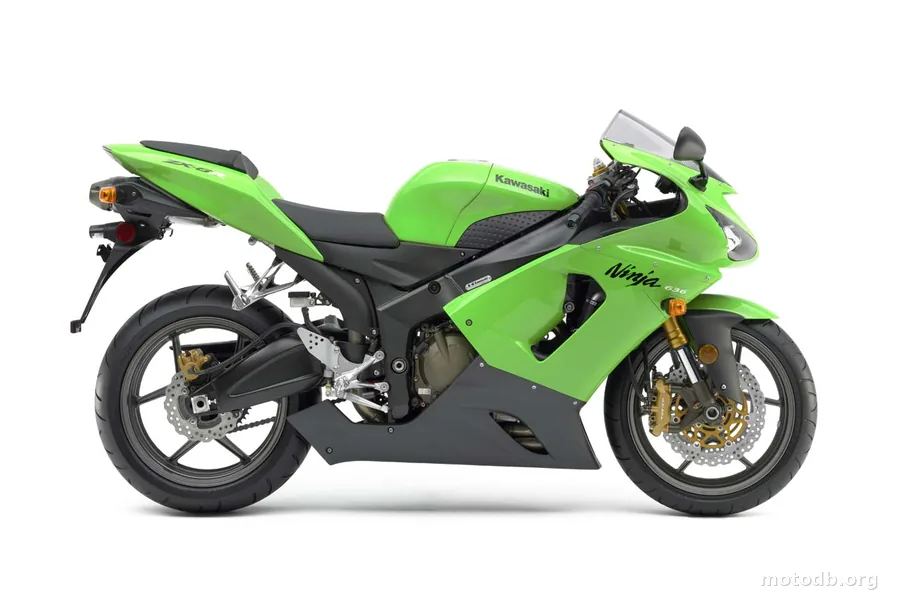
The battle against weight is the main story here. Imagine a motorcycle that loses nearly 10 kilograms, dropping to 157 kg dry. It’s not marketing; it’s an obsession. Engineers scrutinized every component: special metal camshafts, magnesium cases, elimination of sensors, thinner gears. They even integrated the resonator and dashboard supports into the forced air intake. This fine surgical work brings the Ninja back into the leading pack of 600 sportbikes, just behind the CBR600RR from Honda, and gives it a formidable power-to-weight ratio with its 128 horsepower at 14,000 rpm.
This new velocity is delivered by a reworked chassis. The perimeter aluminum frame is optimized for rear rigidity, the engine is inclined to raise the center of gravity, and the rake angle is reduced to 24°. They even abandoned the under-seat exhaust for a lateral model, all to recenter the masses. The rider’s position has also been redesigned: a close seat/footrest/handlebar triangle, a thinner fuel tank, and a lower, narrower seat. All of this creates a more direct, almost intrusive, connection with the machine. It’s a position that speaks to the track rider, but can become restrictive on the road.
The front end receives BPF technology, a large-piston fork directly imported from the Suzuki GSX-R 1000. Lighter and stiffer, it promises more progressive damping, especially at the beginning of compression, improving stability on corner entry. Coupled with radial braking on 300 mm petal discs and an anti-dribble clutch, it gives the rider the confidence to attack curves with conviction. The engine itself is not left out, with modifications aimed at better mid-range response and increased linearity, even if some purists might regret a slightly less explosive character than on some competitors.
Ultimately, this 2009 ZX-6RR is a manifesto. Kawasaki clearly targeted the track rider eager for control and precision. It’s not the easiest or most versatile, but it’s a sharpened weapon, a direct response to the Yamaha R6 and Honda CBR600RR. With its provocative design and hacked figures, it didn’t want to make a motorcycle for everyone, but a Ninja for those who want to feel every gram of the track beneath their knees.
Practical info
- La moto est accessible aux permis : A
Indicators & positioning
Similar bikes
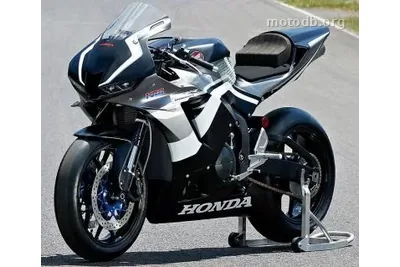
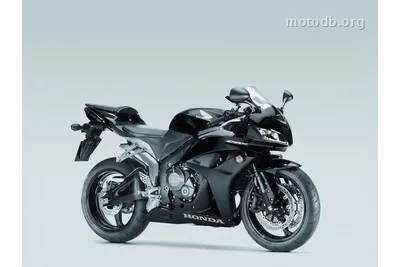
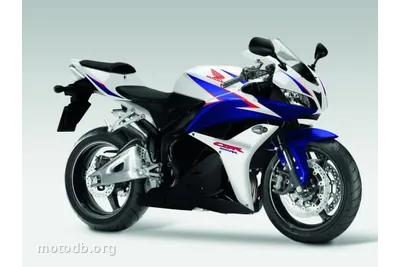
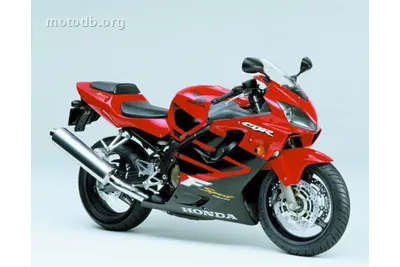
CBR 600 RR Replica MOVISTAR
CBR 600 RR Replica WIN WIN Sébastien Charpentier
CBR 600 RR Konica Minolta Replica
Reviews & comments
No reviews yet. Be the first to share your opinion!