Key performance
Technical specifications
- Starter
- électrique → —
- Seat type
- Selle biplaces → —
- Weight
- 175.00 kg → 189.00 kg
- Dry weight
- 175.00 kg → —
- New price
- 9 695 € → 9 599 €
Engine
- Displacement
- 399 cc
- Power
- 77.0 ch @ 14500 tr/min (56.6 kW)
- Torque
- 39.2 Nm @ 13000 tr/min
- Engine type
- 4 cylindres en ligne, 4 temps
- Cooling
- liquide
- Compression ratio
- 12.3 : 1
- Bore × stroke
- 57 x 39.1 mm
- Valves/cylinder
- 4
- Camshafts
- 2 ACT
- Fuel system
- Injection Ø 34 mm
Chassis
- Frame
- Treillis tubulaire en acier
- Gearbox
- boîte à 6 rapports
- Final drive
- Chaîne
- Front suspension
- Fourche téléscopique Ø 37 mm
- Rear suspension
- Mono-amortisseur
Brakes
- Front brakes
- Freinage 2 disques Ø 290 mm, fixation radiale, étrier 4 pistons
- Rear brakes
- Freinage 1 disque Ø 220 mm, étrier simple piston
- Front tyre
- 120/70-17
- Rear tyre
- 160/60-17
Dimensions
- Seat height
- 800.00 mm
- Fuel capacity
- 15.00 L
- Weight
- 189.00 kg
- New price
- 9 599 €
Overview
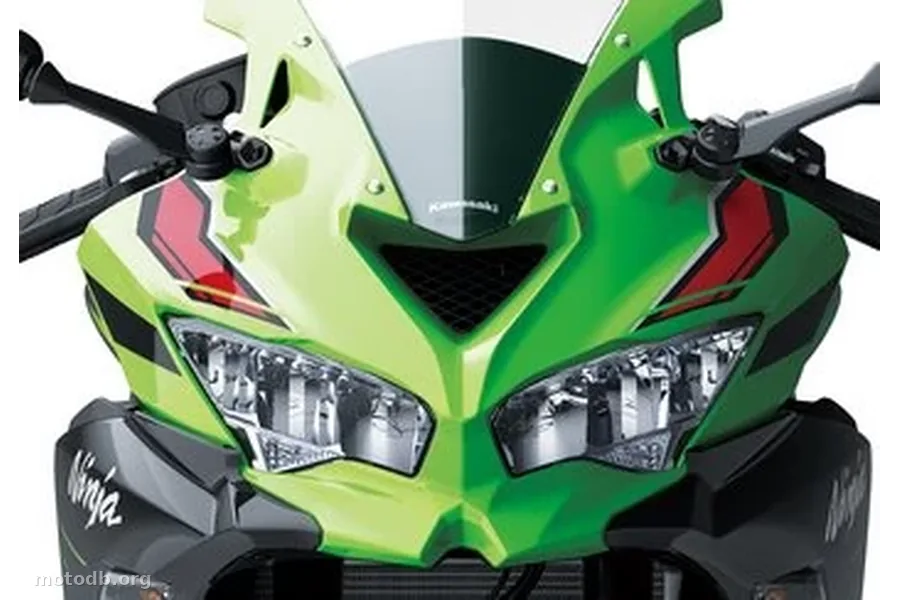
Who would have thought that a 399 cc four-cylinder could challenge the established sportbike hierarchy? Kawasaki did it with the Ninja ZX-4RR 400, a machine that refuses compromise and revives a philosophy many thought was dead and buried: that of the small screaming engine, built for the track and the pure joy of high-rev riding.
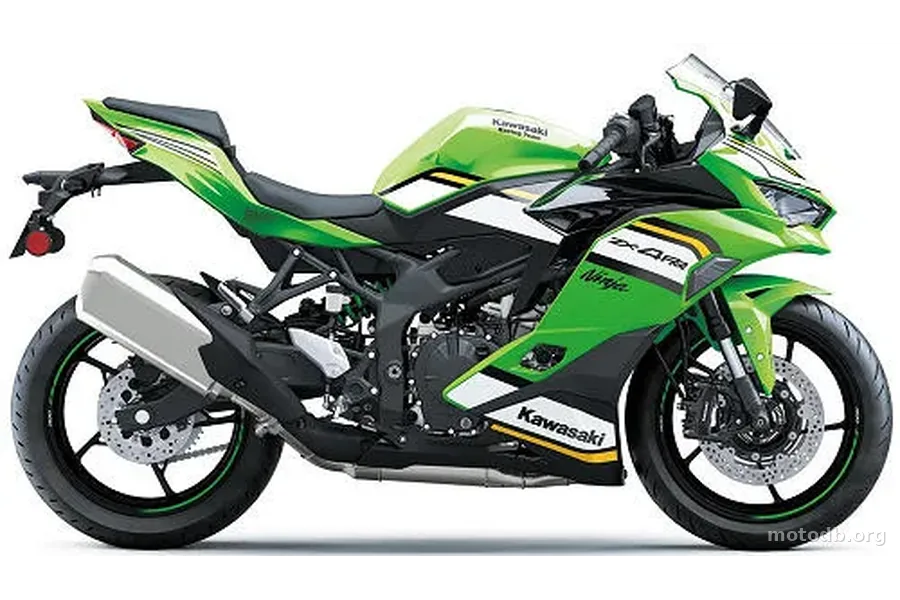
How much horsepower does the Kawasaki Ninja ZX-4RR 400 make? The answer is staggering for this displacement: 77 hp at 14,500 rpm, and even 80 hp with the Ram Air forced induction system. We're talking about an inline four-cylinder with 16 valves, a 12.3:1 compression ratio, producing nearly 80% more power than the twin-cylinder Ninja 400. To access that kind of output, you have to accept the deal: keep the tachometer needle in five-digit territory, flirting with the redline beyond 15,000 rpm. Peak torque of 39.2 Nm only arrives at 13,000 rpm. There's no riding in the low revs here. Let off the pressure and you're riding a bicycle.
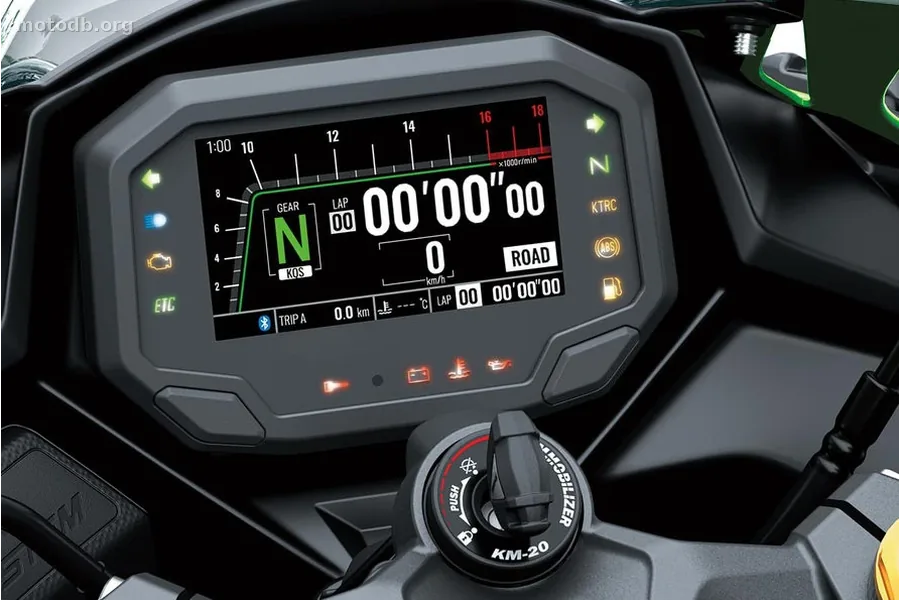
That's precisely what sets the RR version apart from the standard R. The Up & Down quickshifter, first and foremost, is essential when you spend your life hammering through the six-speed gearbox ratios. Then there are the adjustable suspensions: a Showa SFF-BP fork with adjustable preload, and a BFRC Lite rear shock offering compression, rebound, and preload adjustment. Enough to fine-tune the handling to match your skill level and the circuit layout. The chassis is built around a tubular steel trellis frame. A more economical choice than an aluminum perimeter frame, certainly, but one that fulfills its role for the intended purpose. The onboard electronics compensate with a three-level KTRC traction control system, two power modes, and four riding maps (Sport, Road, Rain, Rider). The 4.3-inch color TFT display with Bluetooth connectivity rounds out a modern dashboard designed for a connected generation.
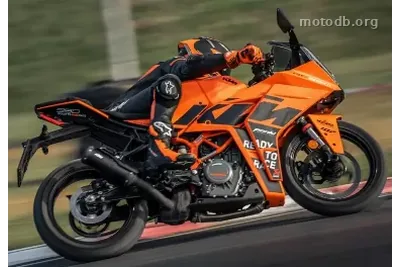
The weak point of the Kawasaki Ninja ZX-4RR 400 is its weight. At 189 kg wet, it carries a notable weight penalty against direct competitors. The KTM RC 390 tips the scales 25 kg lighter. The ZXR 400 R ancestors from the 1990s came in under 160 kg, admittedly with only 65 hp and zero emissions regulations. Euro5 compliance and electronic equipment come at a cost in kilograms. The 15-liter tank and 800 mm seat height place the machine in an accessible package, but the mass makes itself felt from the very first hard braking on the 290 mm front discs with radial-mount four-piston calipers.
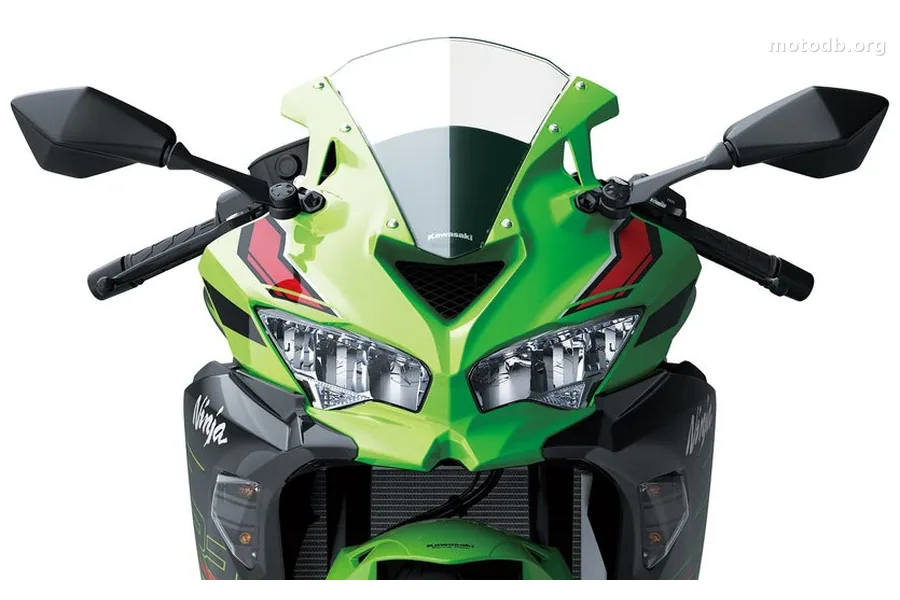
What is the power of the Kawasaki Ninja ZX-4RR 400 compared to its rivals? Enough to challenge a Yamaha R7 700 at top speed, with a claimed top speed of 230 km/h. But the comparison ends there. Higher-displacement machines deliver usable torque much earlier and are far more forgiving of riding mistakes. The ZX-4RR demands constant riding precision. It's aimed at methodical track riders, A2 license holders who want to learn real sport riding, and mechanical enthusiasts who find their joy in an engine that revs like a Grand Prix racer. At €9,599, Kawasaki offers a gateway to the four-cylinder sportbike experience. Not the lightest, not the most versatile, but undoubtedly the most thrilling in its class once the tachometer climbs past 10,000 rpm.
Standard equipment
- Assistance au freinage : ABS
- Nombre de mode de conduite : 4
- Taille de l'écran TFT couleur : 10,92 cm / 4.3 pouces
- Shifter
- Indicateur de vitesse engagée
- Bluetooth
- Contrôle de traction
- Embrayage anti-dribble
Practical info
- La moto est accessible aux permis : A
Reviews & comments
No reviews yet. Be the first to share your opinion!