Key performance
Technical specifications
- Starter
- électrique → —
- Seat type
- Selle biplaces → —
- Weight
- 175.00 kg → 189.00 kg
- Dry weight
- 175.00 kg → —
- New price
- 9 695 € → 9 599 €
Engine
- Displacement
- 399 cc
- Power
- 77.0 ch @ 14500 tr/min (56.6 kW)
- Torque
- 39.2 Nm @ 13000 tr/min
- Engine type
- 4 cylindres en ligne, 4 temps
- Cooling
- liquide
- Compression ratio
- 12.3 : 1
- Bore × stroke
- 57 x 39.1 mm
- Valves/cylinder
- 4
- Camshafts
- 2 ACT
- Fuel system
- Injection Ø 34 mm
Chassis
- Frame
- Treillis tubulaire en acier
- Gearbox
- boîte à 6 rapports
- Final drive
- Chaîne
- Front suspension
- Fourche téléscopique Ø 37 mm
- Rear suspension
- Mono-amortisseur
Brakes
- Front brakes
- Freinage 2 disques Ø 290 mm, fixation radiale, étrier 4 pistons
- Rear brakes
- Freinage 1 disque Ø 220 mm, étrier simple piston
- Front tyre
- 120/70-17
- Rear tyre
- 160/60-17
Dimensions
- Seat height
- 800.00 mm
- Fuel capacity
- 15.00 L
- Weight
- 189.00 kg
- New price
- 9 599 €
Overview
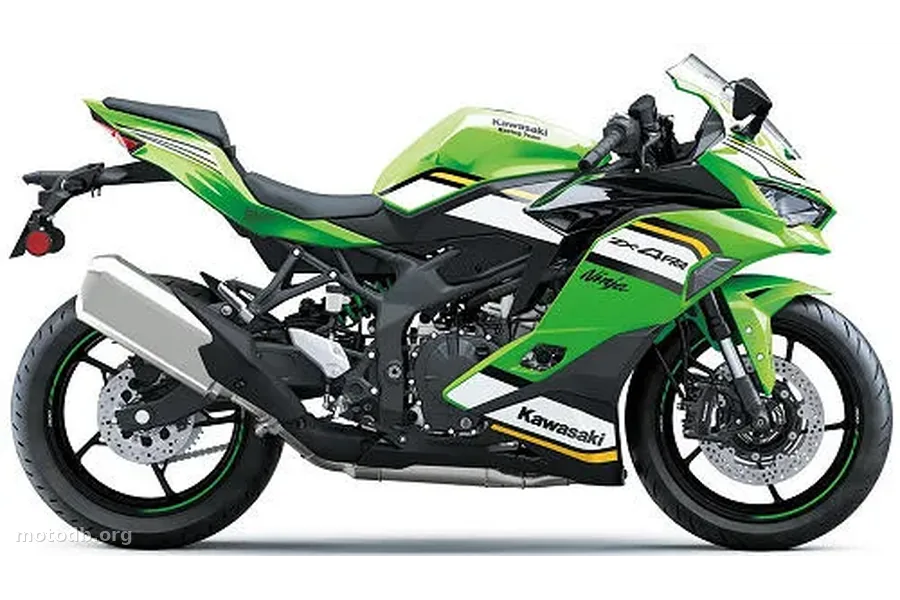
Who remembers the last time a manufacturer had the nerve to stuff four cylinders into a 399 cc engine? Kawasaki did it with the Ninja ZX-4RR 400, and the result looks like a declaration of war aimed at the entire category. Make no mistake: this machine has nothing in common with the tame twin-cylinder Ninja 400. Four small chambers of 100 cc each, a crankshaft that's desperate to hit the redline, and the temperament of a pure-bred track weapon. That's the program.
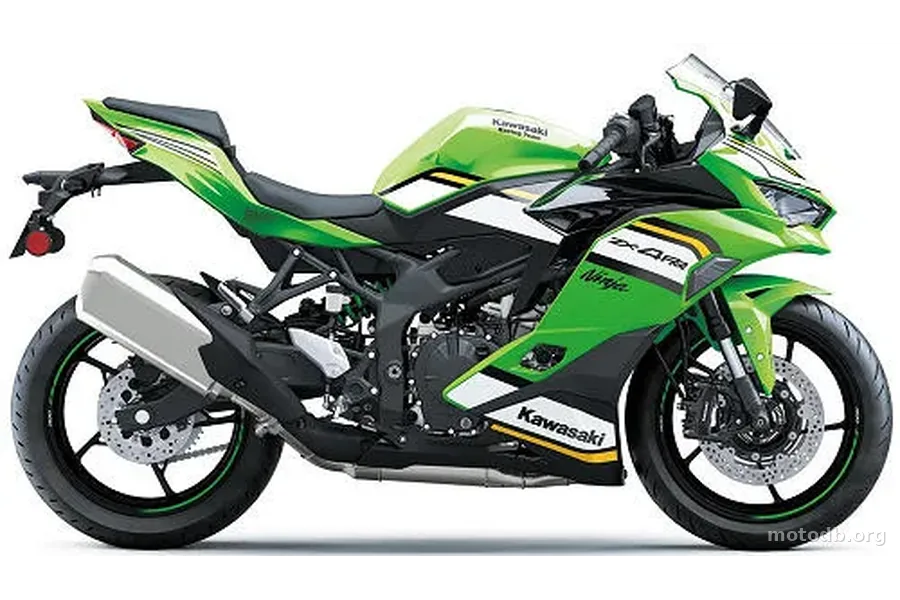
How much horsepower does the Kawasaki Ninja ZX-4RR 400 produce? The answer is staggering for this displacement: 77 hp at 14,500 rpm, and even 80 hp with ram air. Relative to 399 cc, that's a power density that would put many mid-displacement bikes to shame. Torque peaks at 39.2 Nm, but you have to chase it all the way up to 13,000 rpm. In other words, below 10,000 rpm, the Kawa purrs politely. Above that, it transforms. The 16-valve four-cylinder comes alive with a mechanical scream reminiscent of the Japanese sportbikes of the 90s — those ZXR 400 R and VFR 400 R models that turned heads in the paddock. The entire philosophy of this motorcycle lies in that radical choice: power must be earned, harvested high in the rev range, and the rider who knows how to keep the needle pinned in the red zone will be rewarded.
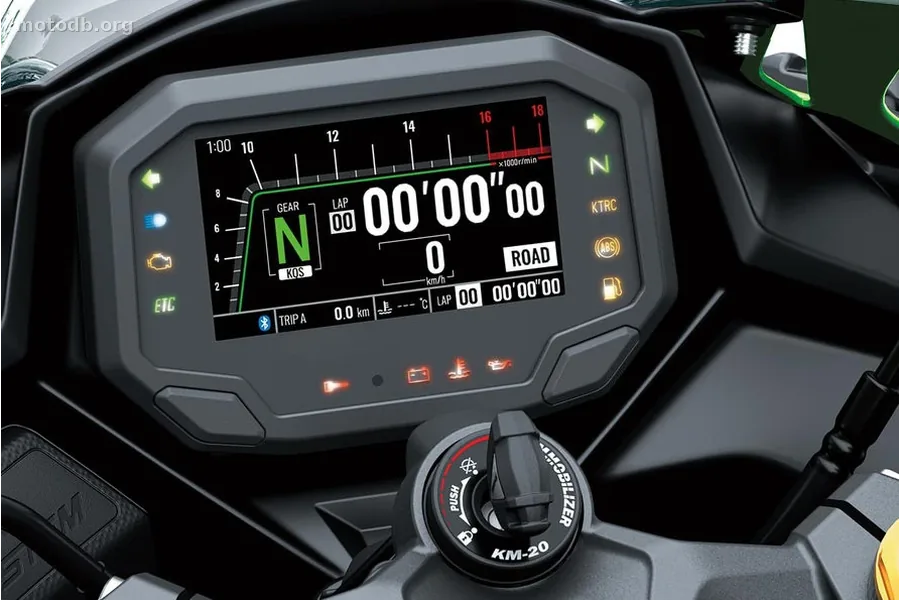
The RR version sets itself apart from the R through details that matter on track. The Up & Down quickshifter allows clutchless downshifts, a real time-saver on corner entry. The Showa suspension — SFF-BP fork and BFRC Lite shock — offers preload, compression, and rebound adjustments absent on the R. For anyone looking to fine-tune their chassis before a track day, that's a major selling point. The tubular steel trellis frame may lack the prestige of an aluminum perimeter design, but it gets the job done. The onboard electronics complete the package: three-level KTRC traction control, two engine maps, four riding modes, and a 4.3-inch color TFT display with Bluetooth connectivity. For a 400, the equipment list is generous.
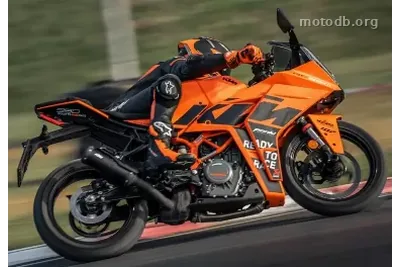
The weak point? The Kawasaki Ninja ZX-4RR 400 tips the scales at 189 kg wet. That's heavy for this class. A KTM RC 390 comes in 25 kg lighter, and the old Japanese 400s dipped below 160 kg. Euro5 regulations and the four-cylinder architecture partly explain the extra weight, but it makes itself felt, particularly through tight sequences of corners where agility makes all the difference. The 15-liter tank and 800 mm seat height place the rider in a classic sportbike position, accessible to most body types.
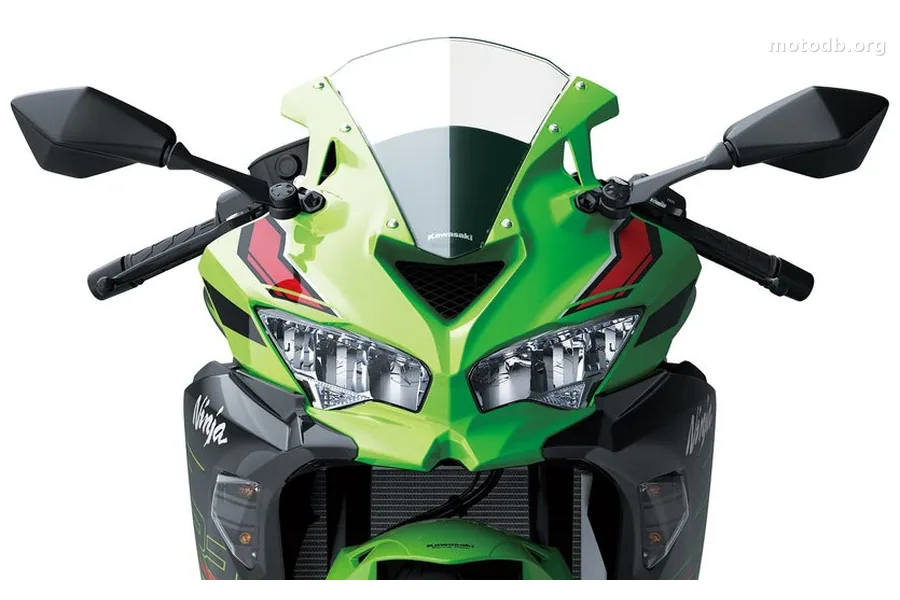
Who is this motorcycle for? Riding purists — those who'd rather work on their lines than rely on low-end torque. The Kawasaki Ninja ZX-4RR 400's power output lets it challenge machines of far greater displacement on track, provided you stay in the revs. Against a Yamaha R7 or even some 650 cc twins, it will be left behind exiting a slow corner due to its lack of low-rpm torque. But through a fast series of bends, whip in hand, it regains the advantage. At €9,599, the price tag is steep for a 400. Kawasaki owns the premium positioning and bets on the riding experience rather than raw numbers. It's a radical choice, a coherent one, and ultimately rare enough in today's market to command respect.
Standard equipment
- Assistance au freinage : ABS
- Nombre de mode de conduite : 4
- Taille de l'écran TFT couleur : 10,92 cm / 4.3 pouces
- Shifter
- Indicateur de vitesse engagée
- Bluetooth
- Contrôle de traction
- Embrayage anti-dribble
Practical info
- La moto est accessible aux permis : A
Reviews & comments
No reviews yet. Be the first to share your opinion!