Key performance
Technical specifications
Engine
- Displacement
- 998 cc
- Power
- 204.0 ch @ 13000 tr/min (150.0 kW)
- Torque
- 114.7 Nm @ 11500 tr/min
- Engine type
- 4 cylindres en ligne, 4 temps
- Cooling
- liquide
- Compression ratio
- 13 : 1
- Bore × stroke
- 76 x 55 mm
- Valves/cylinder
- 4
- Camshafts
- 2 ACT
- Fuel system
- Injection Ø 47 mm
Chassis
- Frame
- double poutre périmétrique en alu
- Gearbox
- boîte à 6 rapports
- Final drive
- Chaîne
- Front suspension
- Fourche téléhydraulique inversée BPF Ø 43 mm, déb : 120 mm
- Rear suspension
- Mono-amortisseur, déb : 114 mm
Brakes
- Front brakes
- Freinage 2 disques Ø 330 mm, fixation radiale, étrier 4 pistons
- Rear brakes
- Freinage 1 disque Ø 220 mm, étrier simple piston
- Front tyre
- 120/70-17
- Rear tyre
- 190/55-17
Dimensions
- Seat height
- 835.00 mm
- Fuel capacity
- 17.00 L
- Weight
- 207.00 kg
- New price
- 24 499 €
Overview
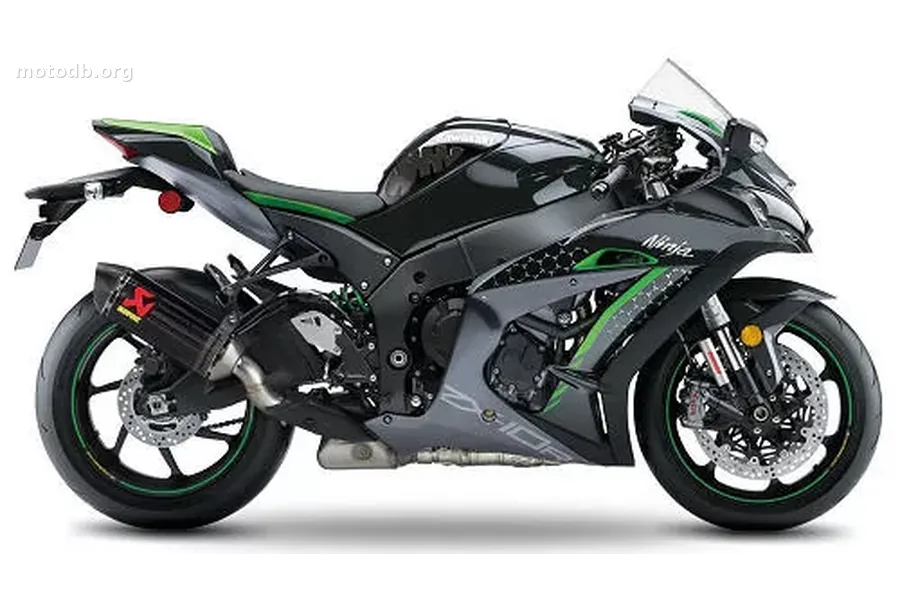
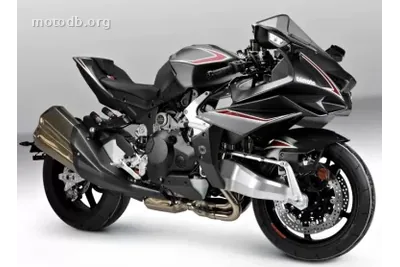
Who remembers the days when adjusting your suspension meant pulling out a spanner and getting your hands dirty? Kawasaki turned that page with the ZX-10R SE, the first in the lineage to feature electronically adjustable damping controlled from the handlebars. In 2019, the ZX-10R range comes in three temperaments: the KRT built for track duty, the RR honed for pure competition, and this SE that offers the luxury of modifying its dynamic behavior on the move. The Performance suffix tops it all off with a factory-fitted accessory kit, a way to gain a few advantages without browsing through the catalog.
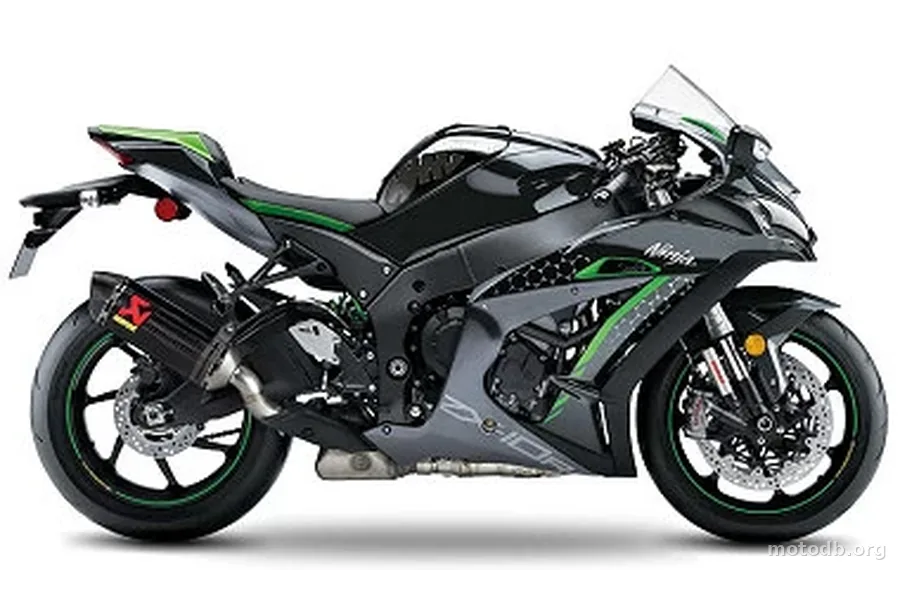
The heart of the matter remains the 998 cc inline four-cylinder, set at a 13:1 compression ratio with a short-stroke 76 x 55 mm bore and stroke. The engine puts out 204 horsepower at 13,000 rpm and 114.7 Nm of torque at 11,500 rpm. Figures that place the Kawasaki on par with the Yamaha YZF-R1 and within striking distance of the Ducati Panigale V4. All contained within 207 kg wet weight, which remains reasonable for a hypersport of this displacement even if the Honda CBR1000RR-R edges it out slightly on the scales. The aluminum twin-spar perimeter frame, 43 mm inverted BPF fork, and radial-mount four-piston calipers biting 330 mm discs form a coherent package, designed to handle hard braking and committed lean angles without flinching.
What sets this Performance version apart from the standard SE model comes down primarily to the carbon-fiber Akrapovic exhaust delivered factory-fitted. Nine hundred grams lighter than the stock silencer, a modest weight saving but a sonic contribution that transforms the engine's character. The power gain remains marginal with this component alone. For those looking to extract an additional fifteen or so horsepower, a full system will be required, priced at roughly three times the cost of the slip-on alone. The pack also includes a solo seat cowl that eliminates the pillion seat. A deliberate choice that sharpens the sporting lines and reinforces the selfish nature of the machine. Adhesive tank protectors round out the package, a practical detail to preserve the paintwork from knee friction during spirited track sessions.
At €24,499, the price tag is steep. But the math still works out for anyone who was planning to tick these options at the time of ordering: the pack represents roughly 10% savings compared to purchasing the accessories separately. This Ninja SE Performance is clearly aimed at the regular track rider who wants a machine ready to ride straight from the dealership, without spending hours fitting parts in the garage. It is not made for the novice nor for anyone seeking a versatile sport-tourer. With its seat perched at 835 mm, its 17-liter tank that limits range, and an engine that only truly comes alive above 8,000 rpm, this is a precision instrument, not a Swiss army knife. Against the competition, it plays the card of proven reliability and a World Superbike palmarès that speaks for itself.
Standard equipment
- Assistance au freinage : Sport ABS
Practical info
- La moto est accessible aux permis : A
Reviews & comments
No reviews yet. Be the first to share your opinion!