Key performance
Technical specifications
Engine
- Displacement
- 650 cc
- Power
- 80.0 ch @ 9000 tr/min (58.8 kW)
- Torque
- 67.7 Nm @ 7500 tr/min
- Engine type
- Bicylindre en L à 90°, 4 temps
- Cooling
- liquide
- Compression ratio
- 11.4 : 1
- Bore × stroke
- 81.5 x 62 mm
- Valves/cylinder
- 4
- Camshafts
- 2 ACT
Chassis
- Frame
- treillis tubulaire en aluminium
- Gearbox
- boîte à 6 rapports
- Final drive
- Chaîne
- Front suspension
- Fourche téléhydraulique inversée Ø 41 mm, déb : 120 mm
- Rear suspension
- Mono-amortisseur, déb : 110 mm
Brakes
- Front brakes
- Freinage
- Rear brakes
- Freinage 1 disque
- Front tyre
- 120/60-17
- Rear tyre
- 160/60-17
Dimensions
- Fuel capacity
- 17.00 L
- Dry weight
- 180.00 kg
- New price
- 5 890 €
Overview
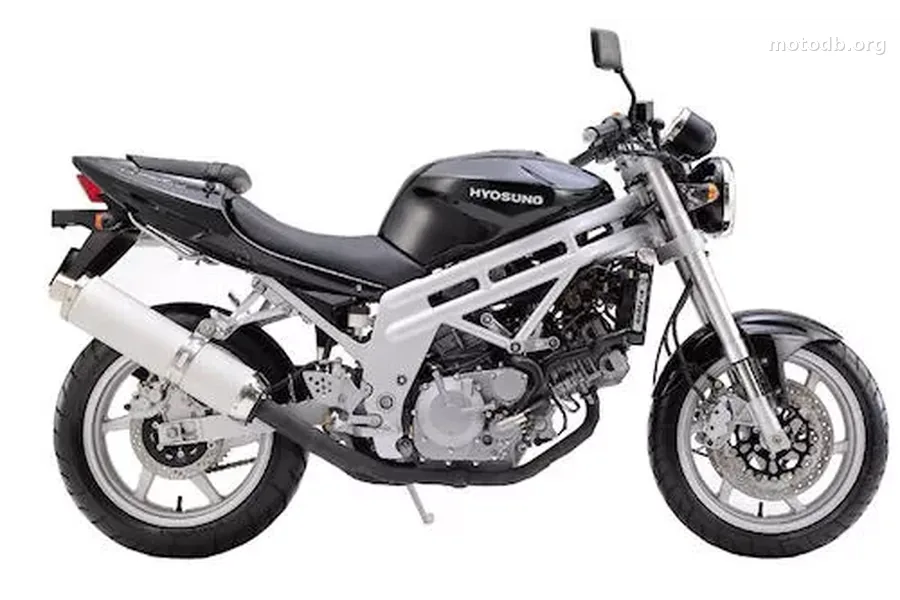
Comparing the Comet 650 to the SV650 from Suzuki is an exercise that Hyosung themselves invite, as the lineage is immediately apparent. The same sporty roadster silhouette, the same 90-degree V-twin, the same trellis frame — in aluminum with Suzuki, here in steel. The Korean brand did not seek to reinvent the wheel for its first mid-displacement roadster, and this is an accepted choice. Copying a reference is at least starting from a good base.
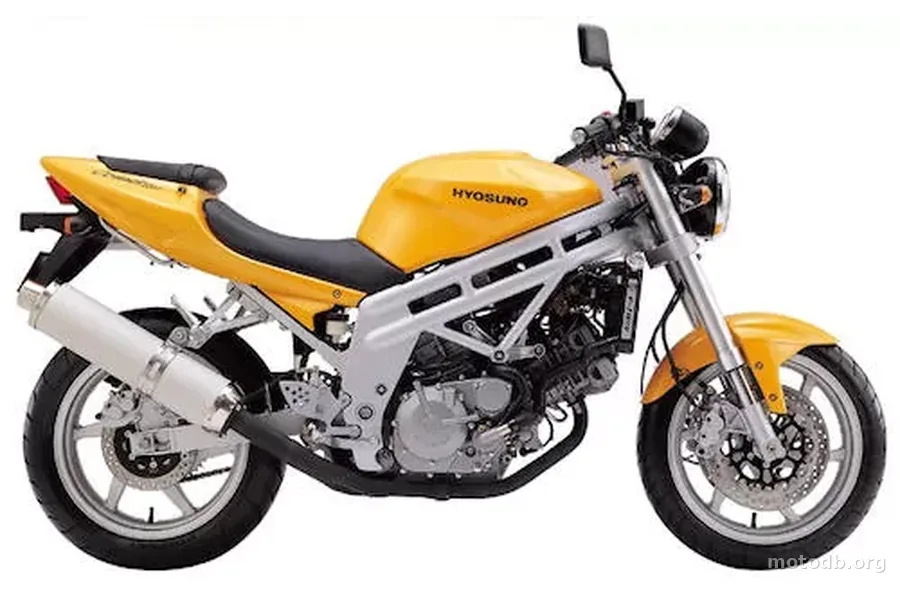
Where the Comet stands out on paper is in the numbers. Eighty horsepower at 9,000 rpm and 67.7 Nm available at 7,500 rpm, all housed in a trellis frame that weighs only 180 kg dry: the equation is seductive. The 41 mm inverted fork and large front discs display sporty ambitions that the swingarm, a little slender for this level of power, struggles to confirm at the rear. A slight imbalance between a serious front end and a less convincing rear cycle part. It is also noted that the 6-speed gearbox lacks the precise feel of Japanese mechanics, a sense of blur in the shifts that quickly irritates demanding riders.
In the saddle, the position surprises with its plunging aspect. The handlebar pulls the torso forward, you grip more than you place your hands. The seat height remains reasonable, less than that of the SV by about twenty millimeters, which makes the machine accessible to an average build. The dashboard, for its part, was clearly designed with nostalgia: analog meters, a single daily totalizer, zero digital. For those who find modern instrumentation unreadable at 130 km/h, this is a quality. For others, it is a gap difficult to ignore in 2005.
In motion, the V-twin reveals an honest temperament. It shows itself to be a little lukewarm in the mid-range, then gains in character and authority beyond. The usable range is real, the engine does not discourage on national roads or on a winding track. Because in corners, the Comet keeps its promises: stable, precise at sustained speed, it even proves more reassuring than the Suzuki in rapid successions. Braking is powerful and progressive, with no surprises. The finish, for its part, betrays no penny-pinching: careful paint, correct equipment, and original-fit Pirelli Diablo tires that deserve more than what they receive in return from the direction, a little numb at low speed.
The real obstacle of this Comet is not technical. Hyosung has not yet the reputation to sell a motorcycle on its badge alone. In 2005, the Korean brand remains unknown to the vast majority of European motorcyclists, and the question of long-term reliability looms. Yet, the commercial argument is undeniable: 5,890 euros, or 700 less than the SV that inspired it. For a rider looking for a versatile roadster without racetrack pretensions, capable of swallowing 210 km/h on the highway and playing the elbow on a pass, the Comet clearly deserves to be taken seriously. Brand image is built over time. And the price, it is there right now.
Practical info
- La moto est accessible aux permis : A
Indicators & positioning
Similar bikes
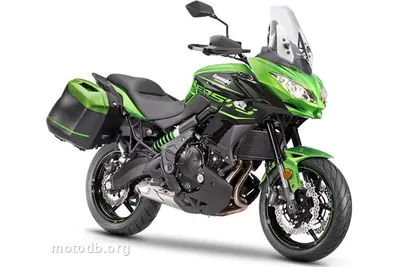
VERSYS 650 Special Edition TOURER
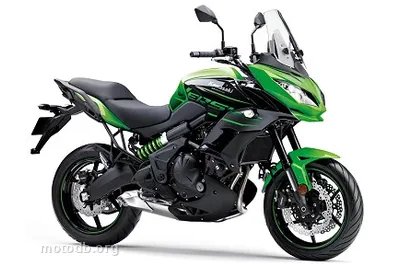
Versys 650 Special Edition
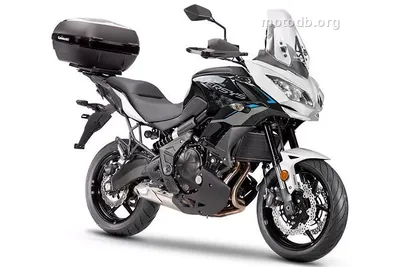
VERSYS 650 Mobility
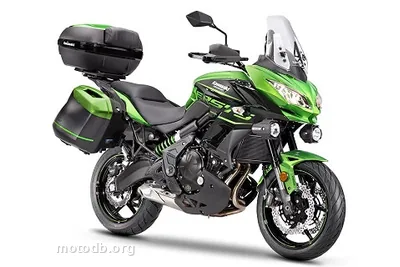
VERSYS 650 Special Edition GRAND TOURER
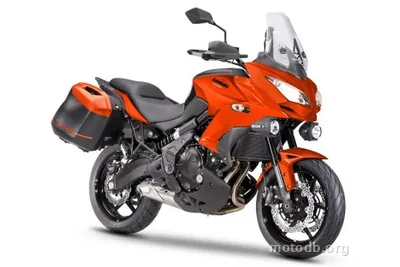
VERSYS 650 Special Edition TOURER Plus
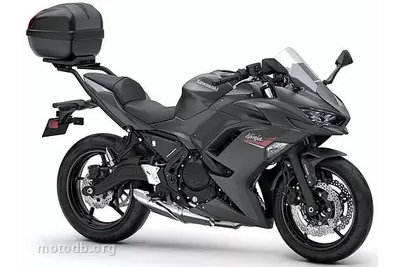
Reviews & comments
No reviews yet. Be the first to share your opinion!