Key performance
Technical specifications
Engine
- Displacement
- 1833 cc
- Power
- 126.0 ch @ 5500 tr/min (92.7 kW)
- Torque
- 169.7 Nm @ 4500 tr/min
- Cooling
- liquide
- Compression ratio
- 10.5 : 1
- Bore × stroke
- 73 x 73 mm
- Valves/cylinder
- 4
- Camshafts
- 1 ACT
- Fuel system
- Injection Ø 50 mm
- Starter
- électrique
- Euro standard
- Euro 5+
Chassis
- Frame
- Double poutre alu, type Diamant
- Gearbox
- boîte à 7 rapports
- Final drive
- Cardan
- Front suspension
- Fourche quadrilatère double bras longitudinaux
- Rear suspension
- Mono-amortisseur
Brakes
- Front brakes
- Freinage 2 disques Ø 320 mm, fixation radiale, étrier 6 pistons
- Rear brakes
- Freinage 1 disque Ø 316 mm, étrier 3 pistons
- Front tyre
- 130/70-18
- Front tyre pressure
- 2.50 bar
- Rear tyre
- 200/55-16
- Rear tyre pressure
- 2.80 bar
Dimensions
- Seat height
- 745.00 mm
- Seat type
- Selle biplaces
- Fuel capacity
- 21.00 L
- Weight
- 373.00 kg
- New price
- 28 849 €
Overview
Fifty years she's been carving her furrow along the long ribbons of asphalt, and the Goldwing hasn't lost an ounce of her singularity. To celebrate this half-century, Honda is releasing in 2025 an anniversary edition of the GL 1800 in bagger trim, deep black livery enhanced with specific markings, dedicated ignition key and customised animation when the dashboard wakes up. The first 1833 buyers (the number is obviously no accident) will leave with a double-sided miniature, the original GoldWing on one side, the current model on the other. A heritage nod for a machine sold at €28,849, which embraces its grande dame status without dressing up as a museum piece.
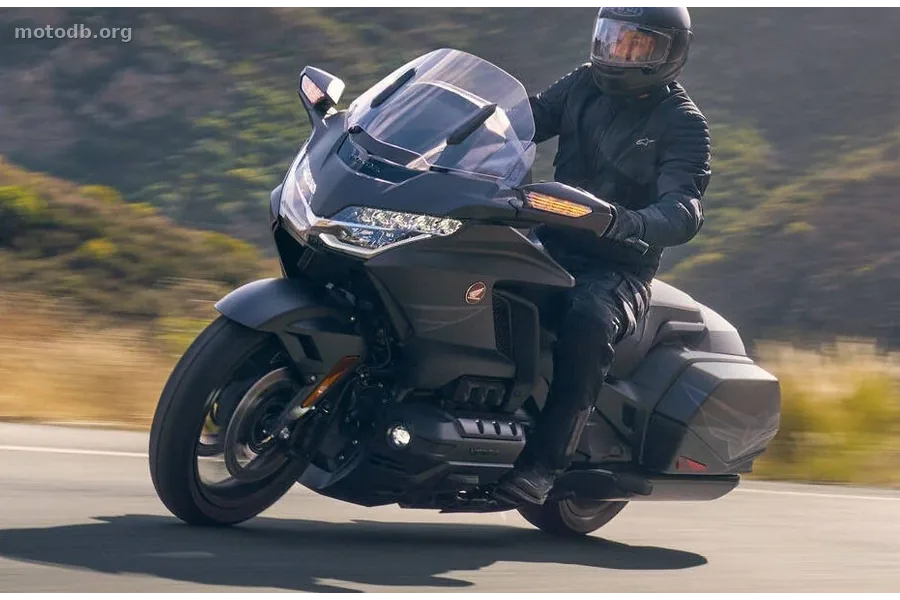
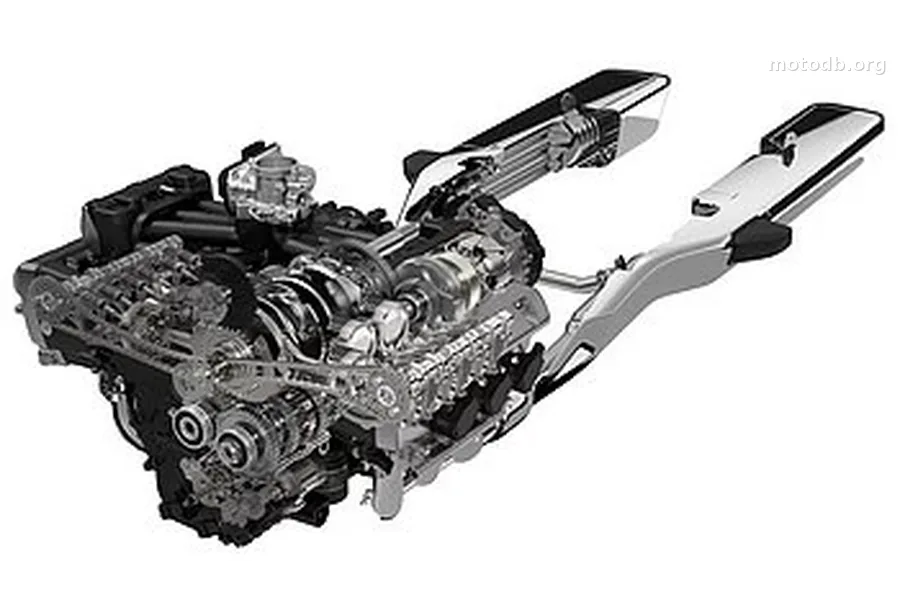
Beneath the shell, the 1833 cc flat-six remains the beating heart of the beast. With its 126 horsepower at 5500 rpm and 169.7 Nm of torque available from 4500 revs, it's not about seeking direct confrontation with the inline-six of the BMW K 1600 B, more generous on paper. Honda plays a different score, that of an engine which favours smoothness, muffled extension, gentle ignition at low speed. The 2025 vintage merely tweaks the ECU to clear the Euro 5+ barrier, and that's just fine. Top speed announced at 180 km/h, which is more than enough for the intended use, namely swallowing winding A-roads without ever rushing the crew.
The big deal remains this seven-speed DCT gearbox, paired with shaft drive, which turns the bike into a flying carpet. Shortened lower gears to smooth out the jolts, long gearing on the upper end to calm the revs while cruising, electric reverse for delicate parking manoeuvres, nothing is missing. Four riding modes (Tour, Sport, Econ, Rain) modulate engine mapping, braking and the controlled damping, which isn't semi-active but remains relevant. The front braking with two 320 mm discs gripped by radially-mounted six-piston callipers holds the fort, and it takes that to slow down 373 kg fully fuelled. That's less than the F6B of yore (384 kg), still substantial, but the double-wishbone fork, spiritual heir to the Duolever and the Fior process, miraculously lightens the steering at low speed.
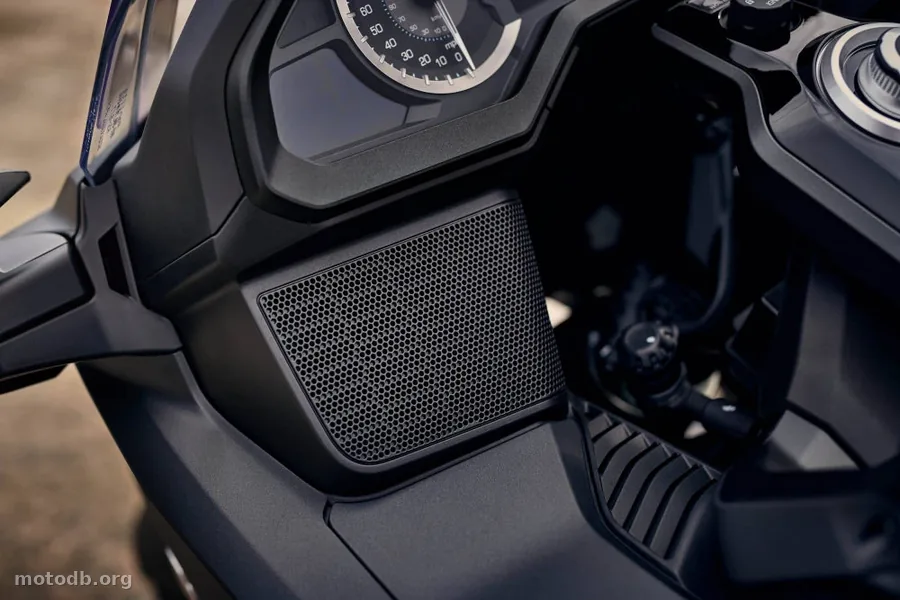
The onboard equipment fully embraces its role as a rolling lounge. 7-inch colour TFT screen in pride of place, analogue dial gauges for speed and revs (thank you for not drowning everything in digital), Smart Key, hill start assist, cruise control, full LED, dual USB ports, Bluetooth, Apple CarPlay and Android Auto now backed up by a Wi-Fi connection. The speakers gain in intensity, the intercom has been revised. The seat peaks at 745 mm, an accessible height that will reassure mid-sized riders, and the 21-litre tank has lost 4 litres in the move to the new generation, offset by reduced consumption. On the luggage side, we drop to 30 litres per case, versus 51 on the F6B. Light travel, then, not transcontinental expedition.
Who is this anniversary edition aimed at? Not the heavily-laden tourer, who will rather go for the Tour version. Not the track rider, obviously. This bagger targets the mature motorcyclist, often well into his fifties, who wants an open GT capable of linking Lyon to Saint-Tropez along the coastal roads, without a top case but with undeniable presence. Faced with an Indian Challenger or a Harley Road Glide, the Honda plays the card of mechanical sophistication rather than American folklore. It's an engineer's choice more than a cowboy's, and that's precisely what makes its value.
Standard equipment
- Assistance au freinage : ABS
- Nombre de mode de conduite : 4
- Volume de rangement : 60 litres
- Taille de l'écran TFT couleur : 17,78 cm / 7 pouces
- Jantes aluminium
- Indicateur de vitesse engagée
- Régulateur de vitesse
- Boîte automatique
- Freinage combiné
- Radio
- Bluetooth
- GPS
- Prise USB
- Aide au démarrage en côte (Hill Hold Control)
- Démarrage sans clé
- Pare brise réglable électriquement
- Suspensions réglables électroniquement
- Contrôle de couple
- Valises
- Surveillance de la pression des pneus
Practical info
- La moto est accessible aux permis : A
Indicators & positioning
Similar bikes
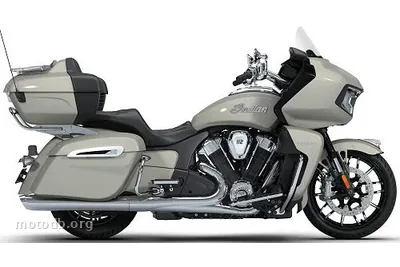
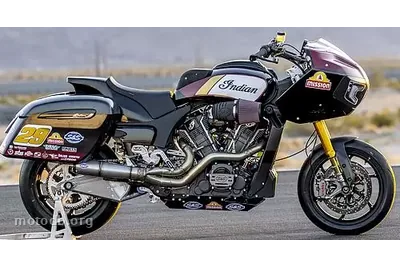
1830 Challenger Venum
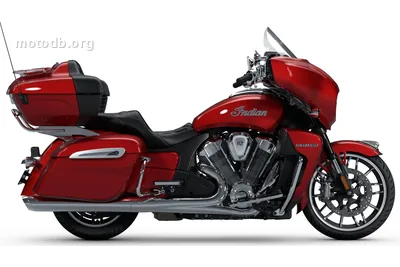
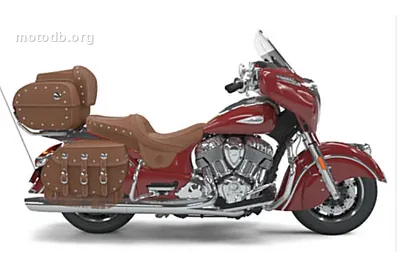
1830 Roadmaster Limited / Dark Horse
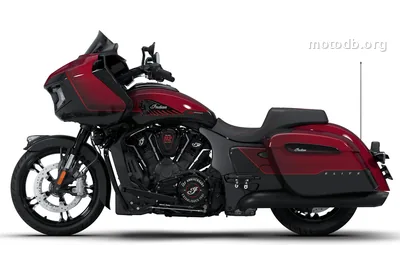
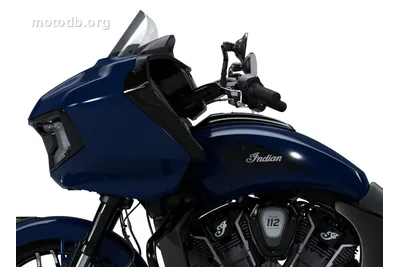
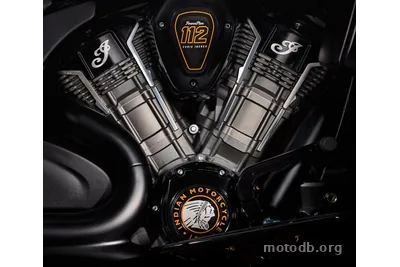
1830 Challenger 125th Anniversary Edition
Reviews & comments
No reviews yet. Be the first to share your opinion!