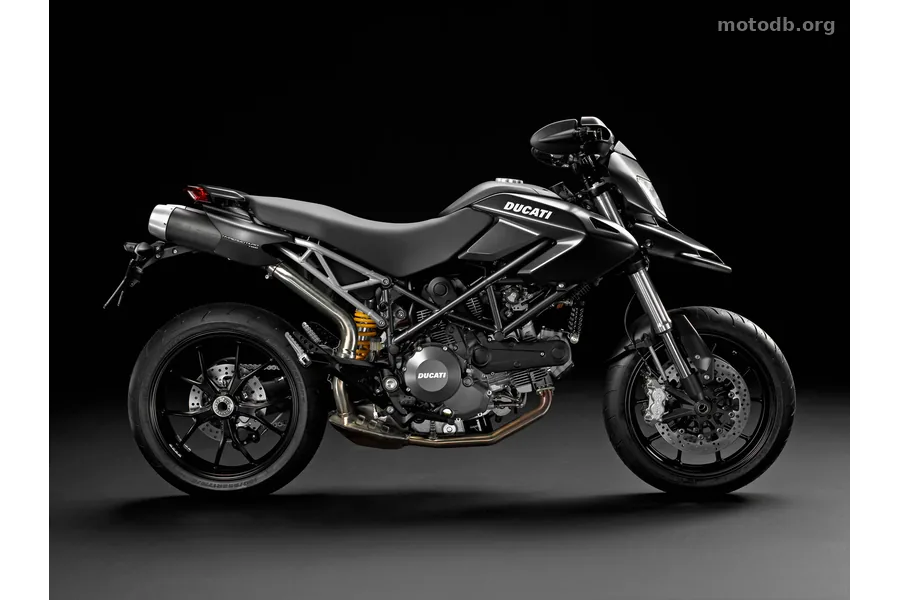
Key performance
Technical specifications
- Frame
- Tubular steel Trellis frame → Tubular steel Trellis
Engine
- Displacement
- 803 cc
- Power
- 81.0 ch @ 8000 tr/min (59.1 kW)
- Torque
- 75.5 Nm @ 7700 tr/min
- Engine type
- V2, four-stroke
- Cooling
- Air
- Compression ratio
- 11.0:1
- Bore × stroke
- 88.0 x 66.0 mm (3.5 x 2.6 inches)
- Valves/cylinder
- 2
- Camshafts
- 1 ACT
- Fuel system
- Injection. Siemens electronic fuel injection, 45mm throttle body
- Valve timing
- Desmodromic valve control
- Starter
- Electric
Chassis
- Frame
- Tubular steel Trellis
- Gearbox
- 6-speed
- Final drive
- Chain (final drive)
- Clutch
- APTC wet multiplate with hydraulic control
- Front suspension
- Marzocchi 43mm usd forks
- Rear suspension
- Progressive linkage with adjustable Sachs monoshock. Aluminium single-sided swingarm
- Front wheel travel
- 165 mm (6.5 inches)
- Rear wheel travel
- 141 mm (5.6 inches)
Brakes
- Front brakes
- Double disc
- Rear brakes
- Single disc
- Front tyre
- 120/70-17
- Front tyre pressure
- 2.20 bar
- Rear tyre
- 180/55-17
- Rear tyre pressure
- 2.20 bar
Dimensions
- Seat height
- 825.00 mm
- Wheelbase
- 1455.00 mm
- Fuel capacity
- 12.40 L
- Dry weight
- 167.00 kg
- New price
- 9 190 €
Overview
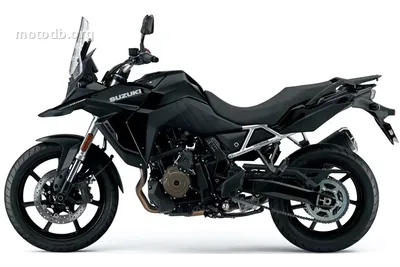
Can a motorcycle be both more affordable and retain its rebel soul? Ducati took a gamble with the 2011 Hypermotard 796, and the result is a machine that still tickles the senses, but with a less salty bill. By reducing the displacement to 803 cm3, the Bologna firm clearly targeted a wider audience, without betraying the wild DNA of the range. For a little less than €9,200 new at the time, you got a Desmo V2, a monobrach rear swingarm, and that aggressive silhouette that was already raging on the 1100. A successful marketing move, offering the essentials of style for an entry-level model that was nothing short of poor.
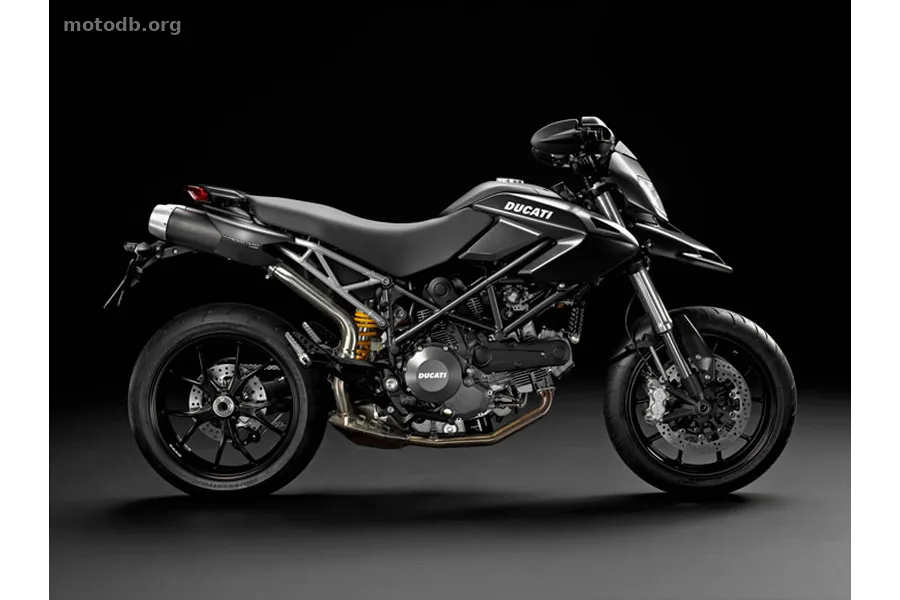
Under the trellis frame, the engine is an interesting piece. With 81 horsepower at 8000 rpm, the power isn't dazzling on paper, but it's its torque of 75.5 Nm, available fairly early, that gives it character. It pulls more readily in the low and mid range than the twin of the Monster 696, which it shares the bore with. It's not a rocket in a straight line, with the top speed flirting with 190 km/h, but that's not its battle. Its major asset? A featherweight dry weight of 167 kg. This lightness, coupled with a high seat at 825 mm, gives urban trial agility, a capacity to change direction with a thought. Reasonable consumption, around 4.7L/100km, and the 12.4-liter tank even make it a usable everyday motorcycle.
Facing the competition from Japanese superbikes of the time, often more aseptic, the Ducati Hypermotard 796 brought theater. The 43 mm Marzocchi fork and the adjustable Sachs shock offered a serious base, while the braking, with its radial calipers, bit with the expected ferocity. But let's not be fooled, this accessibility comes at a price. The reliability of the Desmodromic twin, although solid, implies meticulous and more expensive maintenance than a simple chain distributor. This is a crucial point to check on a used Ducati Hypermotard 796. For a young rider aiming for a Ducati Hypermotard 796 A2, a version restricted to 35kW exists, but insurance and the cost of parts remain barriers.
Today, the value of the Ducati Hypermotard 796 makes it a tempting opportunity for those seeking authentic character without breaking the bank. Its style hasn't aged, and the active community on forums dedicated to the Ducati Hypermotard 796 proves its attachment. It is the perfect motorcycle for the urban rider who wants to feel like a rider, for those who prefer tight corners to endless straight lines. It demands involvement, it vibrates, it heats up, it costs to maintain. But it returns pure sensations for what it concedes. It's not a perfect machine, it's a motorcycle with a temperament. And that's precisely why we love it.
Practical info
- La moto est accessible aux permis : A
Reviews & comments
No reviews yet. Be the first to share your opinion!