Key performance
Technical specifications
No spec differences between these two model years.
Engine
- Displacement
- 997 cc
- Power
- 102.0 ch @ 9600 tr/min (75.0 kW)
- Torque
- 87.3 Nm @ 7300 tr/min
- Engine type
- Bicylindre en V à 88°, 4 temps
- Cooling
- liquide
- Compression ratio
- 11 : 1
- Bore × stroke
- 94 x 71.8 mm
- Valves/cylinder
- 4
- Camshafts
- 2 ACT
- Fuel system
- injection Ø 50 mm
Chassis
- Frame
- cadre tubulaire en titane
- Gearbox
- boîte à 6 rapports
- Final drive
- Chaîne
- Rear suspension
- Mono-amortisseur, déb : 130 mm
Brakes
- Front brakes
- Freinage Beringer
- Rear brakes
- Freinage 1 disque Beringer
- Front tyre
- 120/70-18
- Rear tyre
- 160/60-18
Dimensions
- Fuel capacity
- 17.30 L
- Dry weight
- 184.00 kg
- New price
- 71 000 €
Overview
Eight units. Not eight hundred, not eighty. Eight numbered copies, hand-assembled in Toulouse, destined for collectors who don't look at the price of gasoline. The Brough Superior SS 100 Salt Racer Karslake is not a motorcycle you buy to ride every day. It's a statement of intent, a museum piece that agrees to be ridden.
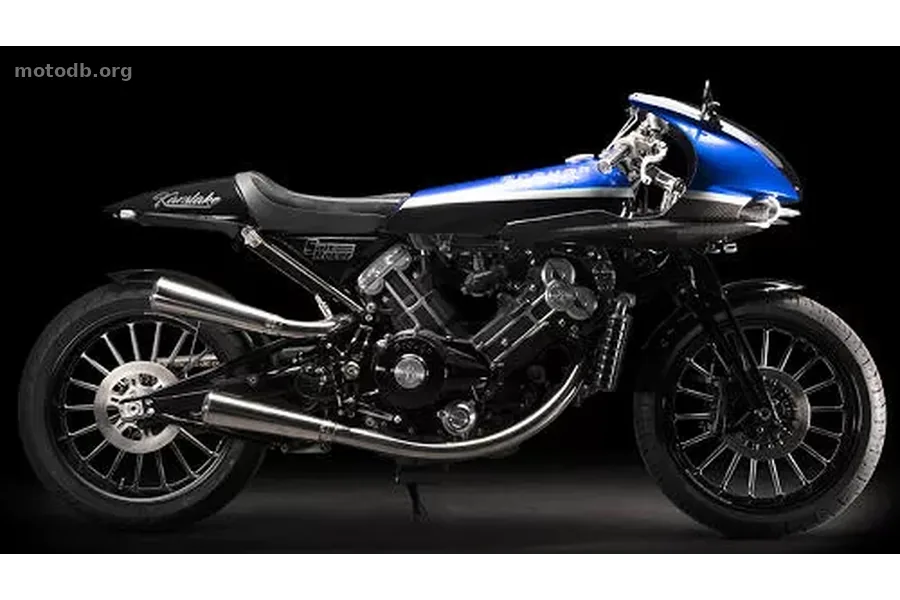
To understand what this machine represents, you must first know who Harold Karslake was. Nicknamed "Oily" by his contemporaries, this passionate engineer built his own competition motorcycle, the Dreadnought, founded the Association Pioneer Motor Cyclists, and won 268 gold medals on the roads of early 20th-century England. He was above all one of George Brough’s close associates, a discreet pillar of a brand that has always known how to surround itself with capable people. Paying tribute to him in a limited series of eight copies is consistent with the brand’s DNA. The Bert Le Vack edition had paved the way; the Karslake fits into this tradition of understated celebrations.
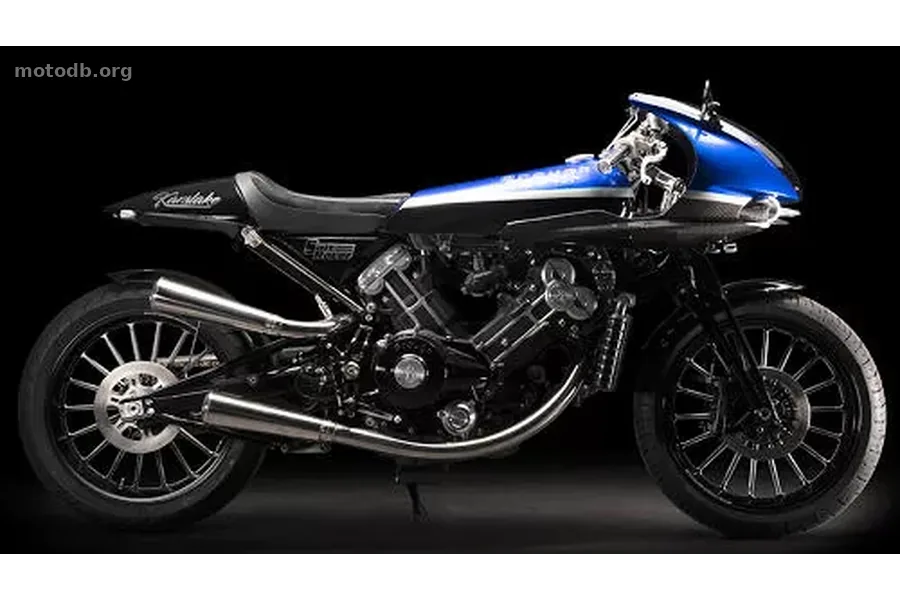
Visually, the distinction from the standard Salt Racer is minimal: less chrome, specific exhausts, a blue livery that further elongates the already very low silhouette of the fairing, and Harold’s name engraved on the rear shell. Brough Superior doesn’t do ostentation. The 88-degree V-twin with a displacement of 997 cm³ is deliberately highlighted, exposed as an industrial sculpture at the center of a tubular titanium frame. This choice of material is not insignificant: titanium is the rigidity of chrome-moly with one-third less weight, and corrosion resistance that steel cannot offer. On a machine costing €71,000, it’s the bare minimum expected.
Mechanically, the four-stroke engine produces 102 horsepower at 9,600 rpm and 87.3 Nm of torque at 7,300 rpm. Correct figures, far from Japanese hysterias of 200 hp, but sufficient to propel 184 kg dry to a declared speed of 200 km/h. The six-speed gearbox transmits power via chain, Beringer brakes ensure stops at both wheels, and the tire fitment of 120/70-18 at the front and 160/60-18 at the rear confirms the sport-GT orientation rather than pure circuit. A Ducati Panigale V4 or a BMW M 1000 RR play in another league. The Karslake doesn’t seek to confront them. It simply turns its back on them.
This is the paradox of Brough Superior: to produce sporty machines that refuse the war of raw performance. The target audience is not the timed racer to the hundredth of a second, but the enthusiast of mechanical history who can afford a unique piece costing six figures and who understands why a Fior-type fork machined from solid, CNC-forged rims, and entirely manual assembly justify this price. For him, €71,000 doesn’t buy extra horsepower. It buys artisan time, guaranteed rarity, and a direct connection with a century of British motorcycle culture. It’s a narrow, assumed market, and Brough Superior sticks to it with a consistency that commands respect, even when one prefers less precious and more accessible machines.
Practical info
- La moto est accessible aux permis : A
Indicators & positioning
Similar bikes
999 Scout Sixty Classic
961 Commando L.E. 'Transatlantic'
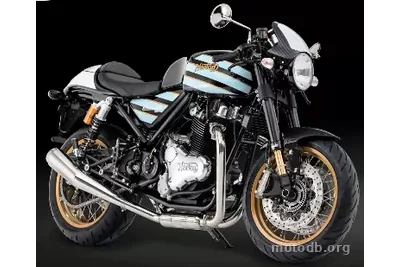
961 Commando L.E. '588'
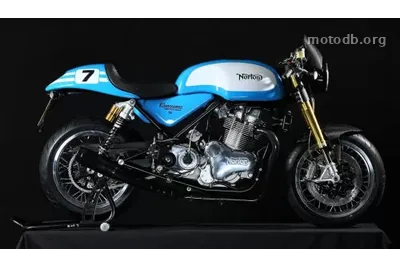
961 Commando Café Racer MK II Mick Grant Special
Reviews & comments
No reviews yet. Be the first to share your opinion!