Key performance
Technical specifications
Engine
- Displacement
- 961 cc
- Power
- 80.0 ch @ 6500 tr/min (58.8 kW)
- Torque
- 90.2 Nm @ 5200 tr/min
- Engine type
- Bicylindre en ligne, 4 temps
- Cooling
- par air
- Compression ratio
- 10.1 : 1
- Bore × stroke
- 88 x 79 mm
- Valves/cylinder
- 2
- Fuel system
- Injection Ø 35 mm
Chassis
- Frame
- Tubulaire en acier
- Gearbox
- boîte à 5 rapports
- Final drive
- Chaîne
- Front suspension
- Fourche téléhydraulique inversée Öhlins Ø 43 mm, déb : 115 mm
- Rear suspension
- 2 amortisseurs latéraux Öhlins, déb : 100 mm
Brakes
- Front brakes
- Freinage Brembo
- Rear brakes
- Freinage 1 disque
- Front tyre
- 120/70-17
- Front tyre pressure
- 2.35 bar
- Rear tyre
- 180/55-17
- Rear tyre pressure
- 2.60 bar
Dimensions
- Fuel capacity
- 17.00 L
- Weight
- 205.00 kg
- Dry weight
- 188.00 kg
- New price
- 25 500 €
Overview
Seven examples. The number is not chosen at random, and that is where the entire story of this particular Norton begins.
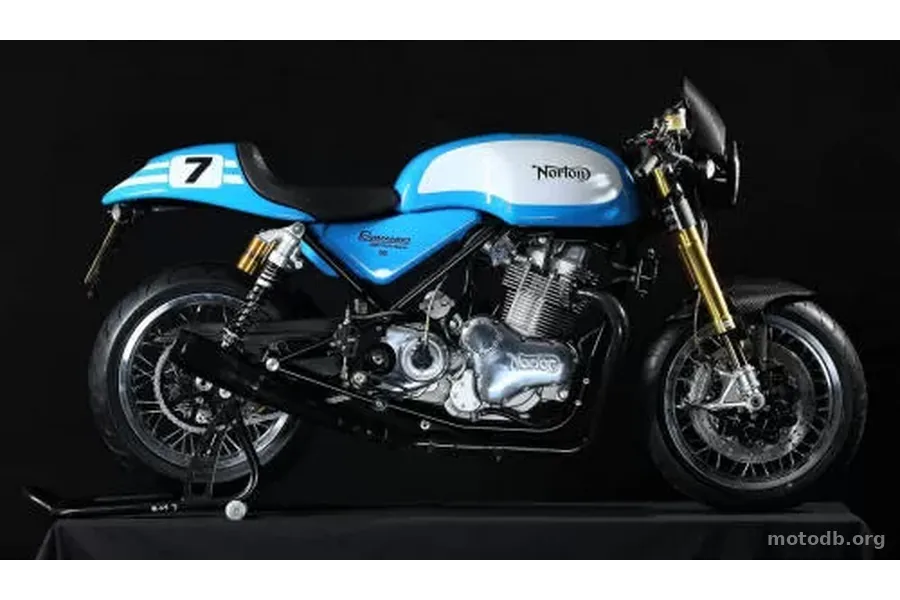
Mick Grant won the Tourist Trophy seven times. Not six, not eight. Seven victories on the most dangerous circuit in the world, seven tips of the hat that Norton decided to engrave in steel and carbon fiber in the form of a series as exclusive as it is deliberate. The English rider, a totemic figure for the Birmingham marque, had already made his mark in 1972 by winning the Thruxton 500 Miles alongside Dave Croxford on a 750 Commando. A track record that extends well beyond the sporting arena to enter the British motorcycle mythology.
The blue and white livery of this 961 Commando Café Racer MK II proudly bears the number 7, rather than the number 10 that Grant typically raced under. The numbering is a tribute to those seven TT wins, a wink that only the initiated will immediately recognise. Norton has dressed the package with carbon fibre components — mudguard, screen, and chain guard — a black-finished exhaust system that cuts sharply against the light bodywork, and the rider's signature applied to each machine. The real luxury, the kind that cannot be manufactured, is that each buyer will collect their example directly from the factory, in the presence of Mick Grant himself. At €25,500, you are not simply buying a rare motorcycle — you are buying a moment.
Beneath the paint and the ornamentation, the mechanicals are those of the standard Café Racer, which is no criticism. The 961 cc inline parallel twin produces 80 horsepower at 6,500 rpm and, more notably, 90.2 Nm of torque available from 5,200 rpm. These figures define the character of the machine: this is not a pursuit of peak power, but rather smoothness, that particular texture only a large, low-valve-count twin can deliver. The 10.1:1 compression ratio and the long 79 mm stroke paired with an 88 mm bore sketch an engine that pulls from low and mid-range revs — an old-school character that purists will appreciate all the more given the claimed top speed approaching 200 km/h. All of this sits in a steel tubular frame tipping the scales at 205 kg ready to ride, suspended by Öhlins at both ends and braked by Brembo. Norton has not done things by halves on the chassis side, and the technical specification competes without apology with what Triumph or BMW offer on their comparable-displacement sporting roadsters.
This Grant Special is aimed at a discerning collector rather than a rider looking to clock lap times. The sport tyres in 120/70-17 and 180/55-17, the five-speed chain-drive gearbox, the wire-spoked wheels — all of this forms a coherent and appealing package, but the scarcity of the series makes each example as much a heritage object as a riding tool. You do not squander a machine signed by the hand of a seven-time TT winner in the first corner you come to. And that is perhaps exactly how Norton intended it.
Practical info
- La moto est accessible aux permis : A
Indicators & positioning
Similar bikes
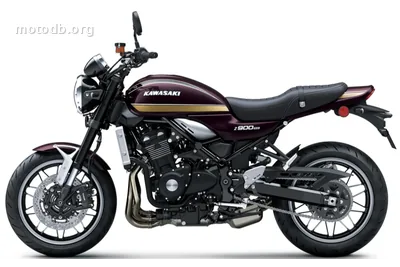
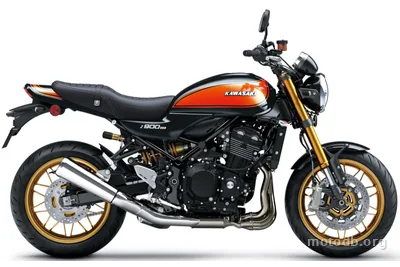
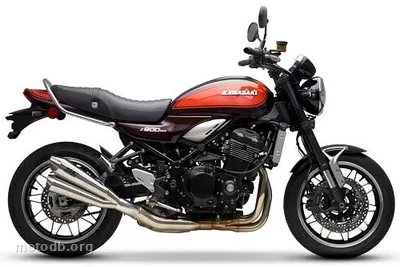
Z 900 RS Classic Edition
Reviews & comments
No reviews yet. Be the first to share your opinion!