Key performance
Technical specifications
- Displacement
- 1000 cc → 998 cc
- Power
- 180.0 ch @ 12500 tr/min (131.4 kW) → 180.0 ch @ 12500 tr/min (132.4 kW)
- Torque
- 115.0 Nm @ 10000 tr/min → 112.8 Nm @ 10000 tr/min
- Engine type
- V4, four-stroke → 4 cylindres en V à 65°, 4 temps
- Cooling
- Liquid → liquide
- Compression ratio
- 13.0:1 → 13 : 1
- Bore × stroke
- 78.0 x 52.3 mm (3.1 x 2.1 inches) → 78 x 52.3 mm
- Fuel system
- Injection. Airbox with front dynamic air intakes. 4 Weber-Marelli 48-mm throttle bodies with 8 injectors and latest generation Ride-by-Wire engine management. Choice of three different engine maps selectable by the rider with bike in motion: T (Track), S (Sport), → Injection Ø 48 mm
- Valve timing
- Double Overhead Cams/Twin Cam (DOHC) → —
- Lubrication
- Wet sump lubrication system with oil radiator and two oil pumps (lubrication and cooling) → —
- Ignition
- Magneti Marelli digital electronic ignition system integrated in engine control system, with one spark plug per cylinder and “stick-coilâ€-type coils → —
- Starter
- Electric → —
- Frame
- Aluminium dual beam chassis with pressed and cast sheet elements. Sachs steering damper → Double poutre périmétrique en aluminium
- Gearbox
- 6-speed → boîte à 6 rapports
- Final drive
- Chain (final drive) → Chaîne
- Clutch
- Multiplate wet clutch with mechanical slipper system → —
- Front suspension
- Upside-down Showa fork with Ø 43 mm stanchions. Forged aluminium radial calliper mounting brackets. Completely adjustable spring preload and hydraulic compression and rebound damping. Wheel travel: 120 mm → Fourche téléhydraulique inversée Ø 43 mm, déb : 120 mm
- Rear suspension
- Twin sided aluminium swingarm; mixed low thickness and sheet casting technology. Sachs piggy back monoshock with completely adjustable: spring preload, wheelbase, hydraulic compression and rebound damping. APS progressive linkage. → Mono-amortisseur, déb : 130 mm
- Front wheel travel
- 120 mm (4.7 inches) → —
- Rear wheel travel
- 130 mm (5.1 inches) → —
- Front brakes
- Double disc → Freinage 2 disques Ø 320 mm, fixation radiale, étrier 4 pistons
- Rear brakes
- Single disc → Freinage 1 disque Ø 220 mm, étrier 2 pistons
- Front tyre
- 120/70-17 → 120/70-17
- Rear tyre
- 190/55-17 → 190/55-17
- Dry weight
- 184.00 kg → 182.00 kg
- New price
- 14 999 € → 16 490 €
Engine
- Displacement
- 998 cc
- Power
- 180.0 ch @ 12500 tr/min (132.4 kW)
- Torque
- 112.8 Nm @ 10000 tr/min
- Engine type
- 4 cylindres en V à 65°, 4 temps
- Cooling
- liquide
- Compression ratio
- 13 : 1
- Bore × stroke
- 78 x 52.3 mm
- Valves/cylinder
- 4
- Camshafts
- 2 ACT
- Fuel system
- Injection Ø 48 mm
Chassis
- Frame
- Double poutre périmétrique en aluminium
- Gearbox
- boîte à 6 rapports
- Final drive
- Chaîne
- Front suspension
- Fourche téléhydraulique inversée Ø 43 mm, déb : 120 mm
- Rear suspension
- Mono-amortisseur, déb : 130 mm
Brakes
- Front brakes
- Freinage 2 disques Ø 320 mm, fixation radiale, étrier 4 pistons
- Rear brakes
- Freinage 1 disque Ø 220 mm, étrier 2 pistons
- Front tyre
- 120/70-17
- Rear tyre
- 190/55-17
Dimensions
- Seat height
- 845.00 mm
- Fuel capacity
- 17.00 L
- Dry weight
- 182.00 kg
- New price
- 16 490 €
Overview
When Noale decides to play with the big boys, she doesn’t hold back. The Aprilia RSV4 R APRC was born from a bold bet: to extract the quintessence of the World Superbike for a rider who doesn’t necessarily have a support truck behind them. The result is a 182 kg dry weight machine, armed with a 65-degree V4 of 998 cc that spits out 180 horsepower at 12,500 rpm and 112.8 Nm at 10,000 rpm. Figures that leave no room for nuance, and an engine architecture that neither Ducati with its twin-cylinder, nor Kawasaki with its inline four-cylinder, offered exactly in this form.
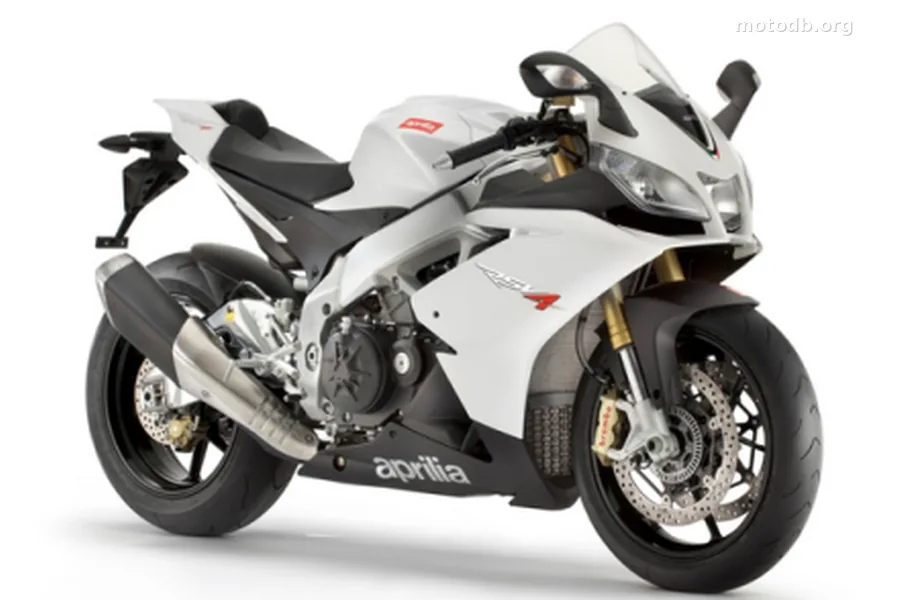
What truly distinguishes this R version from the Factory lies in a sigle that would change the way you ride a series hypersportive: APRC, for Aprilia Performance Ride Control. Four electronic modules directly from the world paddock, now accessible without going through the expensive limited edition box. ATC manages traction control in eight adjustable positions, with a rare feature for the time: the system can learn to calibrate itself according to the tire mounted, which truly changes its behavior depending on the compound chosen. AWC monitors wheelies to turn every corner exit into a brisk acceleration, without wasting trajectory in rear wheel balances. ALC automates launches in three levels of progressiveness, and AQS allows gear changes without clutch or throttle. On the track, the latter point is worth its weight in gold.
To justify the additional euros requested compared to the R of before, Aprilia also reworked the rest. Lightweight rims, a Sachs fork revised in its settings, a redesigned exhaust that gains in aesthetics while losing weight, and a tighter gear ratio on the three first gears for more biting acceleration out of slow corners. All of this results in a loss of 2 kg on the scale and a slight decrease in consumption, which is not insignificant when you regularly push this engine to its limits. A seat height of 845 mm and a 17-liter tank complete the portrait of a machine designed for the track, tolerated on the road, clearly not made for grand touring.
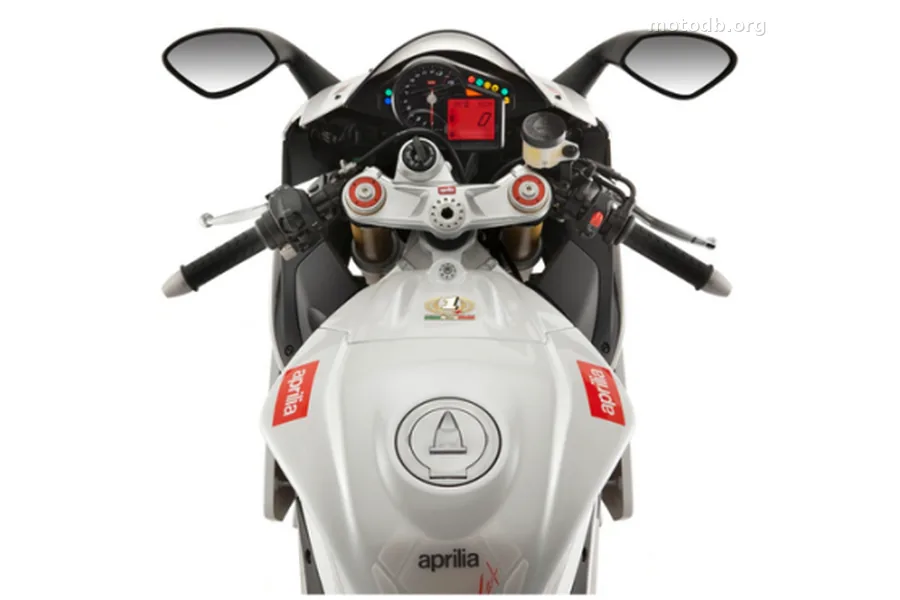
Facing a BMW S1000RR that arrived with its own electronic arsenal, or a Ducati 1198 that played the card of an explosive twin-cylinder, the Aprilia RSV4 R APRC imposed a different balance. More compact, more agile in changes of support, with this V4 that pushes hard from the middle of the range without waiting for the high revs to express itself. The steering is precise without being nervous, the perimeter aluminum double cradle works with the suspensions to offer a feedback that many road riders do not yet know how to read but appreciate instinctively. Count 16,490 euros at its release, a premium price that clearly targeted the experienced rider, regular circuit enthusiast, not the novice looking for his first sportbike.
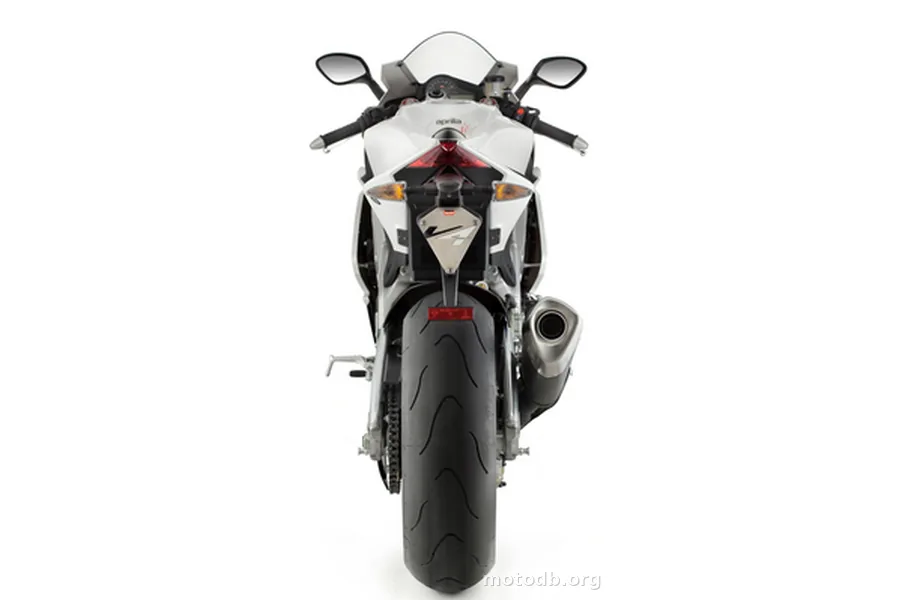
What can be criticized about this generation is the high seat that excludes short riders, and an engine that needs to be warmed up seriously before delivering all its potential. But for those looking for a motorcycle capable of holding its own on a guided track day without requiring professional chassis tuning, the RSV4 R APRC constituted at that time one of the most complete answers on the market. A philosophy that the brand will continue to refine, notably with the Aprilia RSV4 R APRC ABS 2014, where ABS will close the electronic file to make it a quasi-compromise-free proposition.
Practical info
- La moto est accessible aux permis : A
Indicators & positioning
Similar bikes
CBR 1000 RR Fireblade Repsol Replica
1000 ZX-10R 30ème anniversaire
Reviews & comments
No reviews yet. Be the first to share your opinion!