Key performance
Technical specifications
Engine
- Displacement
- 998 cc
- Power
- 210.0 ch (154.5 kW)
- Engine type
- 4 cylindres en V à 65°, 4 temps
- Cooling
- liquide
- Bore × stroke
- 78 x 52.3 mm
- Valves/cylinder
- 4
- Camshafts
- 2 ACT
- Fuel system
- Injection
Chassis
- Frame
- Double poutre périmétrique en aluminium
- Gearbox
- boîte à 6 rapports
- Final drive
- Chaîne
- Front suspension
- Fourche téléhydraulique inversée Öhlins TTX36 Ø 43 mm
- Rear suspension
- Monoamortisseur Öhlins TTX25
Brakes
- Front brakes
- Freinage 2 disques Brembo Ø 320 mm, fixation radiale, étrier 4 pistons
- Rear brakes
- Freinage 1 disque Ø 220 mm, étrier 2 pistons
Dimensions
- Fuel capacity
- 23.00 L
- Dry weight
- 162.00 kg
- New price
- 130 000 €
Overview
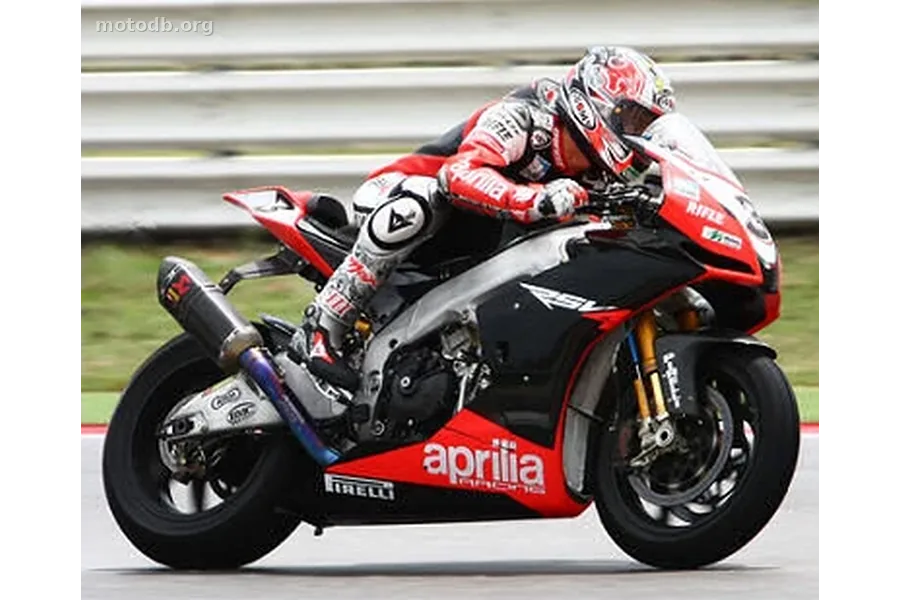
Novarese, 2009. While the large-displacement Japanese motorcycles refined their proven recipes, Aprilia took a radical gamble: abandoning the RSV-R twin-cylinder for a 65-degree V4 machined from solid. The result is the RSV4 Factory, and it arrives with the subtlety of a piercing bullet.
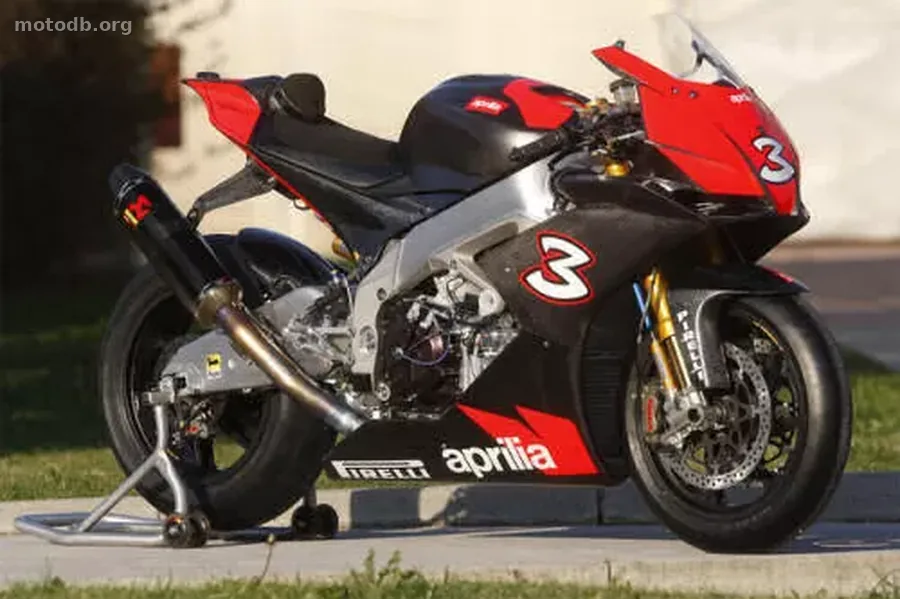
One hundred and sixty-two kilograms dry weight for 210 horsepower, the calculation is brutal. This 998 cc V4, compact thanks to its narrow 65-degree geometry, sits within a twin-perimeter aluminum frame with a density reminiscent of prototypes from the World Championship. The angle between the cylinders is not a stylistic whim: it allows the front wheel to be moved back, the center of gravity to be lowered, and to obtain a motorcycle that points like a square-edged knife. The announced top speed hovers around 310 km/h, a figure that gives an idea of the rage contained within this stiff-frame four-cylinder.
The Factory version doesn't just offer a beautiful specification sheet. Öhlins everywhere, the 43 mm TTX36 at the front, the TTX25 as a monoshock at the rear, two technologies that at the time represented the pinnacle of what suspension electronics could offer outside of MotoGP. Brembo radial-mount calipers bite down on 320 mm discs, with a dosage precision that allows for late braking without drama. It is a motorcycle where every component has been chosen not to convince the customer in the showroom, but to hold the road at 280 km/h without flinching.
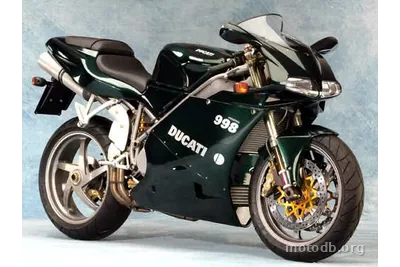
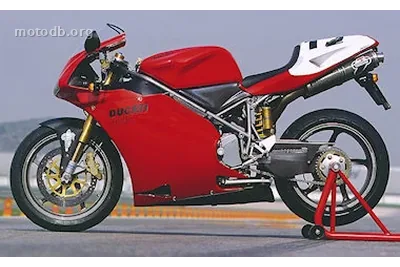
Facing the Ducati 1098R and the Honda CBR1000RR Fireblade of the same era, the Factory plays in a different league. Its Alpine or Japanese rivals offer solid, sometimes brilliant machines, but none display this consistency between racing chassis and bespoke engine straight from the factory. Aprilia built a superbike for the circuits, sold with license plates as a concession to legality. The 23-liter tank also suggests that it can be taken on the road, but let's be honest: that's not where this motorcycle finds its meaning.
The target audience is narrow and accepts this reality. It takes serious training, a track within helmet range, and a budget to match the displayed price to exploit what the Factory truly offers. In the hands of an amateur rider on track, it reveals an accessibility superior to what the specification sheet suggests, thanks to the quality of the Öhlins settings and the precision of the braking. It sanctions errors with the impartiality of a timer. That's its contract, and it keeps it.
Reviews & comments
No reviews yet. Be the first to share your opinion!