Key performance
Technical specifications
No spec differences between these two model years.
Engine
- Displacement
- 1000 cc
- Power
- 240.0 ch (176.5 kW)
- Engine type
- 4 cylindres en ligne, 4 temps
- Cooling
- liquide
- Valves/cylinder
- 4
- Camshafts
- 2 ACT
Chassis
- Frame
- Deltabox en aluminium avec possibilité de mulitples ajustements de géométrie
- Gearbox
- boîte à 6 rapports
- Final drive
- Chaîne
- Front suspension
- Fourche Öhlins inversée règlable en précharge, compression et détente.
- Rear suspension
- Mono-amortisseur Öhlins
Brakes
- Front brakes
- Freinage 2 disques Brembo Ø 340 mm (carbone), étrier 4 pistons (Double étriers)
- Rear brakes
- Freinage 1 disque Brembo, étrier 2 pistons
- Front tyre
- 120/70-17
- Rear tyre
- 200/55-17
Dimensions
- Fuel capacity
- 22.00 L
- Dry weight
- 157.00 kg
- New price
- 3 000 000 €
Overview
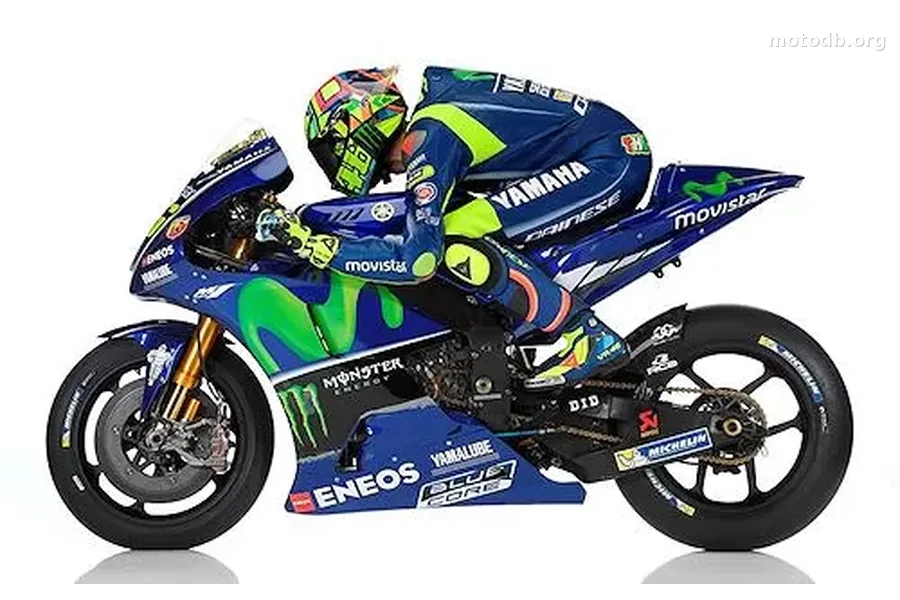
Three million euros. At that price, one doesn't buy a motorcycle, one buys a dream, a piece of history, and above all, an absolute war machine. This is the entry price to possess a legend like the Yamaha YZR-M1, the machine that carried the hopes of Valentino Rossi and the flashes of Maverick Viñales during the 2017 MotoGP season. It is not a road bike, it is a pure racing prototype, and its price reflects a brutal reality: cutting-edge technology doesn't have to justify itself.
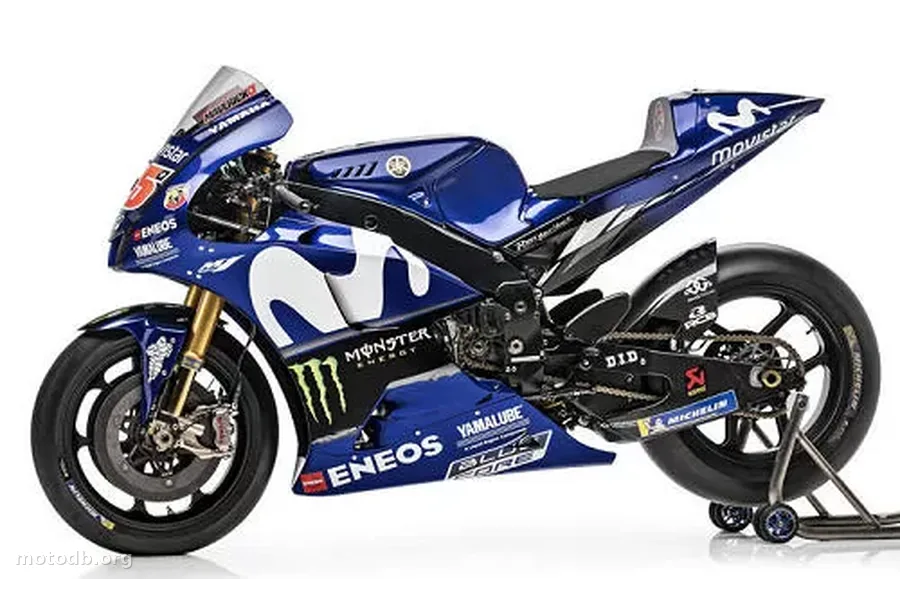
Beneath its deeper Movistar blue fairing, this evolution of the YZR-M1 concealed ingenious solutions to a regulatory change. The FIM had banned visible aerodynamic wings, those appendages that generated nearly 40 kg of additional downforce. While Ducati had made them a pillar of its philosophy, the Yamaha team cleverly developed discreet appendices, integrated inside the fairing. A typical example of competition genius, where every gram of downforce and every degree of stability are fiercely contested. The heart of the beast, however, remained faithful to a unique signature: the 90° crossplane crankshaft. This timing, recognizable by its raw and desynchronized howl, offers optimal cylinder filling at mid-range, prioritizing progressiveness and power control over the frenetic explosion of a classic four-cylinder.
With 240 horsepower pushing it to 217 mph, housed in an aluminum Deltabox frame that maintains the weight at the regulatory limit of 157 kg dry, the 2017 M1 was a demonstration of balance. Its philosophy has never been brute power, but maneuverability and homogeneity. It threw itself into corners with a docility that was the strength of its riders. The whole was based on a top-tier technical foundation: Öhlins fork and shock absorber, Brembo 340 mm carbon discs and calipers, and the Magnetti Marelli electronic black box common to the entire grid to manage anti-spin and anti-wheelie. The question often arises: how many horsepower does the Yamaha YZR-M1 have? The answer, around 240, tells only part of the story. The real magic lies in how this power is delivered and mastered.
For the general public, owning a real YZR-M1 race bike is virtually impossible, hence the enthusiasm for scale replicas. Yamaha YZR-M1 models, notably in 1:12 or 1:4 scale, allow one to feel a bit of this mythology. But let's be clear, the real machine is neither homologated for the road nor designed for it. Is the Yamaha YZR-M1 street-legal? Absolutely not. It is a Formula 1 on two wheels, requiring a team of engineers and a circuit to reveal its potential. Its cost, often requested through searches like "Yamaha YZR-M1 price" or "How much does a Yamaha YZR-M1 cost?", is the ticket to enter the very closed circle of factory racing teams or billionaire collectors.
This 2017 machine embodied a pivotal moment, with veteran Rossi seeking an elusive tenth title and young gun Viñales ready to shake up the established order. It was not, in the end, the bike of the hoped-for consecration, but it remains a fascinating technical milestone. It proves that in MotoGP, revolution sometimes comes through subtle evolution, a hidden adjustment, and the obsessive pursuit of perfect balance between the power of a 1000cc engine and the soul of a chassis that must speak to the rider. The YZR-M1, whatever its year, from 2019 to 2024, remains the gold standard of maneuverability, a lesson in applied mechanics that still inspires dreams around the world, from the enthusiast's workshop assembling his model to the spectator in front of his screen.
Indicators & positioning
Similar bikes
CBR 1000 RR Fireblade SP2
CBR 1000 RR Fireblade SP BSB replica
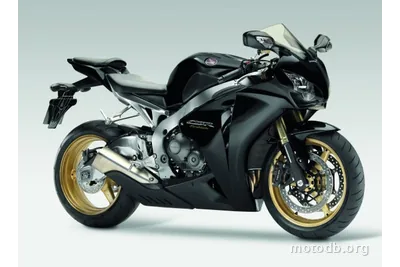
CBR 1000 RR Fireblade Limited Edition TT
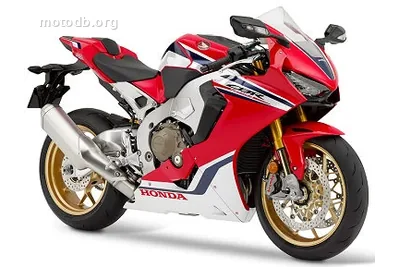
CBR 1000 RR Fireblade SP
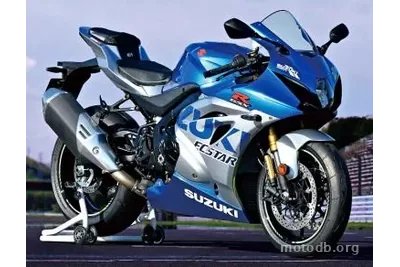
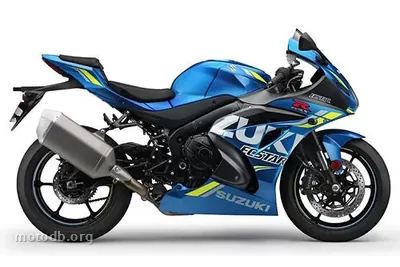
Reviews & comments
No reviews yet. Be the first to share your opinion!