Key performance
Technical specifications
Engine
- Displacement
- 1050 cc
- Power
- 126.0 ch @ 9475 tr/min (92.7 kW)
- Torque
- 105.9 Nm @ 7000 tr/min
- Cooling
- liquide
- Compression ratio
- 12.25 : 1
- Bore × stroke
- 79 x 71.4 mm
- Valves/cylinder
- 4
- Camshafts
- 2 ACT
- Fuel system
- Injection
Chassis
- Frame
- périmétrique en aluminium
- Gearbox
- boîte à 6 rapports
- Final drive
- Chaîne
- Front suspension
- Fourche téléhydraulique inversée Ø 43 mm, déb : 140 mm
- Rear suspension
- Mono-amortisseur, déb : 150 mm
Brakes
- Front brakes
- Freinage 2 disques Ø 320 mm, fixation radiale, étrier 4 pistons
- Rear brakes
- Freinage 1 disque Ø 255 mm, étrier 2 pistons
- Front tyre
- 120/70-17
- Rear tyre
- 180/55-17
Dimensions
- Seat height
- 830.00 mm
- Fuel capacity
- 20.00 L
- Dry weight
- 218.00 kg
- New price
- 13 900 €
Overview
For years, the Tiger Sport played an thankless role: too dynamic to convince adventure tourers, not radical enough to seduce pure sport riders. The proliferation of crossovers changed the game. In 2016, Triumph sets the record straight with a substantial update that finally places the machine where it should always have been: in the corridor between the Yamaha Tracer 900 and the BMW S 1000 XR, two benchmarks in a segment that continues to gain legitimacy.
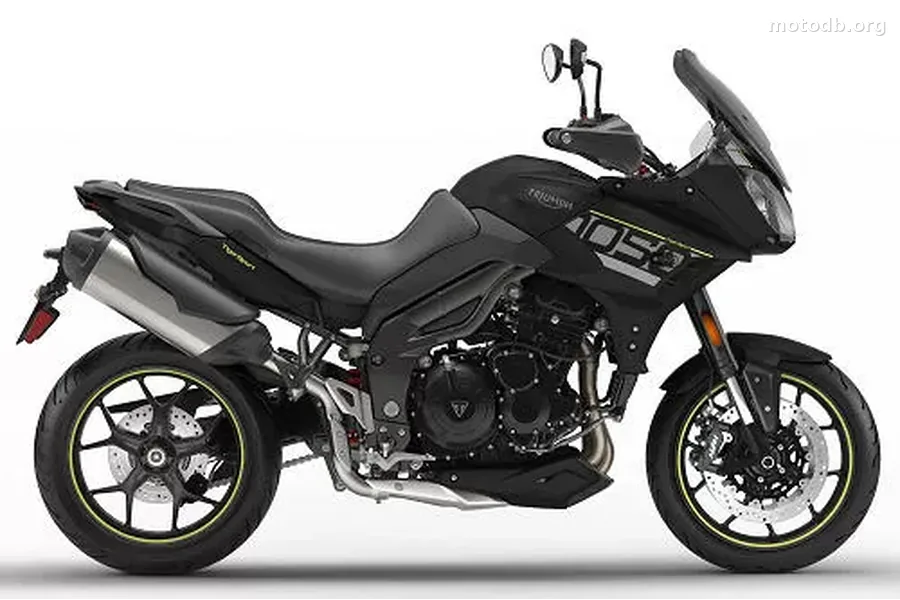
The heart of the matter is the 1050 cc triple. A direct descendant of the revised unit from the Speed Triple, it delivers 126 horsepower at 9,475 rpm and 105.9 Nm at 7,000 rpm. These figures place the Tiger Sport among the big players without turning it into a track weapon. Euro4 regulations imposed their constraints; Triumph used the opportunity to thoroughly overhaul the engine's internal architecture, and the result leans decidedly toward the positive. The British triple retains that vocal, visceral character that sets Hinckley's products apart from the Japanese or German competition — cleaner, perhaps, but often less communicative.
The other major new addition is the electronics package. Ride-by-Wire, three riding modes (Rain, Road, Sport) acting jointly on the injection mapping and traction control, plus a slip-assist system that is beginning to become standard in the category: the Tiger Sport catches up methodically. A slip-and-assist clutch rounds out the package, useful for anyone who rides with intent on open roads. At €13,900, the bill climbs, but the equipment justifies the price increase.
The chassis, meanwhile, remains unchanged — and that is good news. The aluminium perimeter frame, the 43 mm inverted fork with 140 mm of travel, the rear monoshock with 150 mm of travel, the radial four-piston calipers gripping 320 mm discs: the architecture remains solid and proven. The dry weight of 218 kg is reasonable in the category, and the 830 mm seat height will suit most riders. The redesigned adjustable windscreen, with its two transparent lateral extensions, meaningfully improves aerodynamic protection at highway speeds — a point often overlooked on this type of machine.
This 2016 Tiger Sport is aimed primarily at the experienced road rider who wants a versatile motorcycle without sporting compromise. The 20-litre tank and the claimed top speed of 220 km/h make it a capable tool for long-distance legs. One notable disappointment: the heated grips, promised then dropped from the standard specification to become an option. It is the kind of detail that grates when you are spending nearly €14,000. The BMW competition sometimes includes them as standard. Triumph gives the impression here of keeping a few cards up its sleeve for the next update.
Standard equipment
- Assistance au freinage : ABS de série
Practical info
- La moto est accessible aux permis : A
Indicators & positioning
Similar bikes
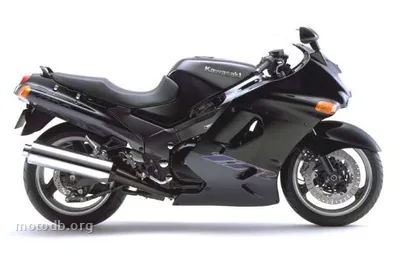
ZZR 1100
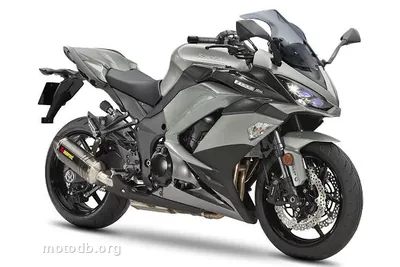
Z 1000 SX Performance
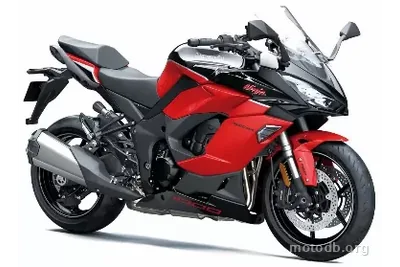
Ninja 1000 SX 40ème Anniversaire
Versys 1000 S
Ninja 1000 SX Performance Tourer
Reviews & comments
No reviews yet. Be the first to share your opinion!