Key performance
Technical specifications
Engine
- Displacement
- 599 cc
- Power
- 126.0 ch @ 13500 tr/min (92.7 kW)
- Torque
- 69.6 Nm @ 11500 tr/min
- Engine type
- 4 cylindres en ligne, 4 temps
- Cooling
- liquide
- Compression ratio
- 12.9 : 1
- Bore × stroke
- 67 x 42.5 mm
- Valves/cylinder
- 4
- Camshafts
- 2 ACT
- Fuel system
- Injection
Chassis
- Frame
- double poutre en aluminium
- Gearbox
- boîte à 6 rapports
- Final drive
- Chaîne
- Front suspension
- Fourche téléhydraulique inversée Ø 41, déb : 112 mm
- Rear suspension
- Mono-amortisseur, déb : 112 mm
Brakes
- Front brakes
- Freinage 2 disques Ø 310 mm, fixation radiale, étrier 4 pistons
- Rear brakes
- Freinage 1 disque Ø 220 mm, étrier simple piston
- Front tyre
- 120/70-17
- Rear tyre
- 180/55-17
Dimensions
- Seat height
- 810.00 mm
- Fuel capacity
- 17.00 L
- Weight
- 187.00 kg
- New price
- 11 999 €
Overview
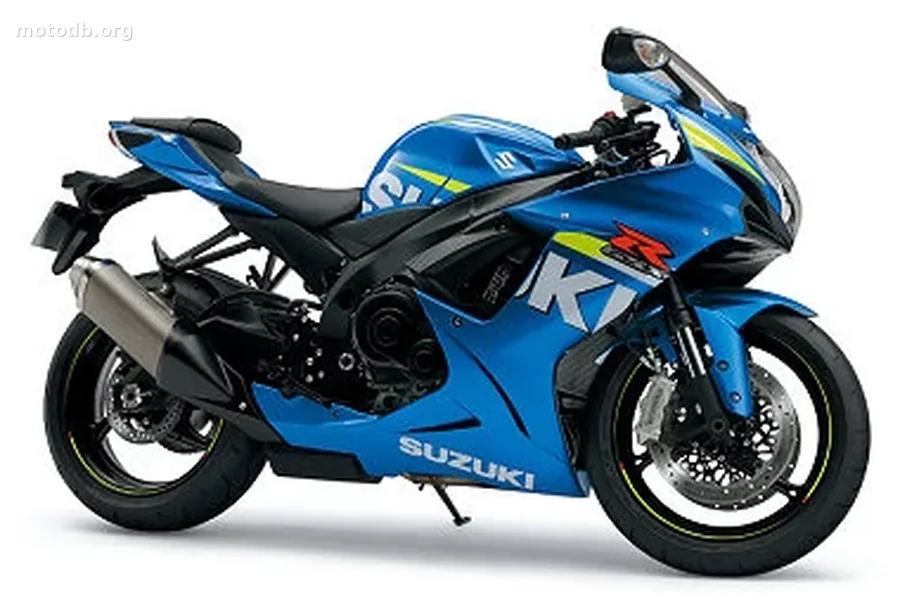
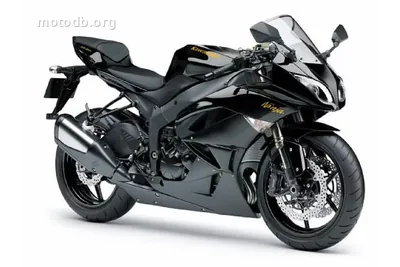
Like the CBR 600 RR, the little Gex is one of the Supersport models that will not make it to 2016. The attrition in the Supersport category continues to stifle the development of these little machines. Whether it’s the R6, CBR, ZX-6R, or GSX-R, the Japanese are not rushing to renew these icons, and the majority will not be renewed. Like many, the Suzuki GSX-R 600 remained on its existing platform in 2016, but is celebrated like its siblings and like the 2015 return of Suzuki in MotoGP. One of the color schemes available for the little Gex is a replica of the GSX-RR entered in Grand Prix racing.
With this generation, the GSX-R 600 was not intended to shock the world with its design. Especially from the side, it takes a more than discerning eye to distinguish the differences from the previous model. Certainly, the fairing panels have been revised, the exhaust has been refined, and the rear fairing is slimmer; but this chapter is closer to a facelift than a complete overhaul. Just enough to bring the style closer to that of the GSX-R 1000 version 2009. This is not a coincidence: Shigeru Uchiyama, the father of the design of the larger Gex models, took over the reins to revamp the 600 and 750. We therefore find a host of similarities, especially at the level of the headstock with its double forced-air channels. As a result, with its large, superimposed headlights and its peculiar vents, the Suzuki sportbike changes its personality, but in my opinion, the style becomes less sporty – it is closer to a GSX-F than a full-blooded sportbike. This fairing is one of the elements that contribute most to the weight reduction experienced by this new generation of GSX-R: 3.4 kilograms less. And that’s just the beginning.
9 kilograms... It lost 9 kilograms in 2011. That’s huge, especially in this category. The swingarm sheds 900 grams, the reworked frame saves 1350, and the exhaust line slims down by 1700 grams. Visually, little evolution is perceived. The only elements that attract attention are the brake calipers. These are no longer the traditional Tokico but Brembo. The little Gex is equipped with monoblock calipers; a first for a sportbike of this displacement (normally, this type of technology is reserved for prestigious hypersport models). In addition to improving braking bite (but which will only truly reach its potential with braided hoses), these calipers also contribute to weight savings: 405 grams. The rear caliper, which is Japanese, also loses mass: - 325 grams for the Nissin. Work on the engine offers only a small amount of additional power. The 4-cylinder has truly been optimized only for its rev range. The pistons are stronger and lighter by 78 grams, the camshafts are more aggressive, and the valves are imperceptibly lightened. In terms of raw figures, it’s 1 horsepower gained, bringing the output to 126 horsepower. The gearbox benefits from a new gear ratio: first gear is longer and the following 5 gears are closer together.
The GSX-R 600 adopts adjustable footrest plates with 3 positions, elongated rear turn signals, a redesigned front mudguard, a revised swingarm with a banana-shaped right side, and a BPF (Big Piston Fork) now replaces the previous fork (860 grams lighter and more effective). The S-DMS (multiple mappings, now reduced to 2 selections) is still present, and the dashboard changes radically to be highly inspired by that of the 1000. In terms of geometry, the wheelbase is reduced by 25 mm and the overall length of the bike by 10 mm. The entire assembly of the rear suspension is lightened by 780 grams. We also gain 550 grams on the wheels and 150 grams on the sprocket.
The totality of these evolutions do not radically change the philosophy of the little Gex, which still presents itself as one of the least radical sportbikes and therefore the most appreciable on the road. With the technical improvements listed, agility and an increase in efficiency clearly point their noses. However, even with all this, it’s difficult for it to compete on the circuit with purebred racers. But in the realm of civil use, the GSX-R 600 is certainly one of the most suitable choices.
M.B - Photos manufacturer
Practical info
- La moto est accessible aux permis : A
Indicators & positioning
Similar bikes
CBR 600 RR Replica MOVISTAR
CBR 600 RR Replica WIN WIN Sébastien Charpentier
CBR 600 RR Konica Minolta Replica
Reviews & comments
No reviews yet. Be the first to share your opinion!