
Key performance
Technical specifications
Engine
- Displacement
- 650 cc
- Power
- 84.0 ch @ 11000 tr/min (61.8 kW)
- Torque
- 64.7 Nm
- Engine type
- Bicylindre parallèle, 4 temps
- Cooling
- liquide
- Compression ratio
- 11.5:1
- Bore × stroke
- 82 x 61.5 mm
- Valves/cylinder
- 4
- Camshafts
- 2 ACT
- Fuel system
- Injection
Chassis
- Frame
- cadre périmétrique tubulaire en acier
- Gearbox
- boîte à 6 rapports
- Final drive
- Chaîne
- Front suspension
- Fourche téléhydraulique inversée Ø 50 mm, déb : 200 mm
- Rear suspension
- Mono-amortisseur, déb : 200 mm
Brakes
- Front brakes
- Freinage Brembo
- Rear brakes
- Freinage 1 disque
- Front tyre
- 120/70-19
- Rear tyre
- 170/60-17
Dimensions
- Fuel capacity
- 15.00 L
- Dry weight
- 178.00 kg
- New price
- 13 890 €
Overview
When Norton decided to resurrect its ambitions in the accessible market, nobody expected the card it would play to be the scrambler. And yet, the Atlas 650 Ranger arrived in 2019 with a clear proposition: offering the prestige of a historic badge to those who dream of broken tarmac and dirt tracks, without paying the price of a hypersport machine.
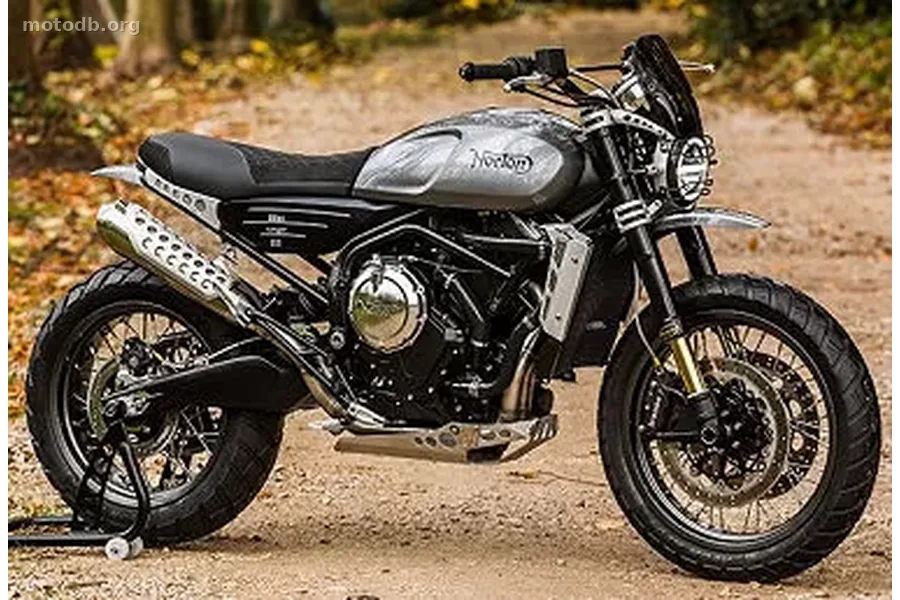
The engine is the heart of the matter. This 650cc parallel twin, with a 270-degree firing order, borrows its DNA from the V4CR's V4 but in a far more digestible format. The result goes well beyond what the category usually offers: 84 horsepower at 11,000 rpm, where the competition typically tops out between 70 and 75. The 64.7 Nm of torque arrives with a directness that's more reminiscent of a V-twin than what the parallel twin format would lead you to expect. On the road, this translates into crisp throttle response, a strong character, a machine that pushes rather than pulls. At 178 kg dry, the power-to-weight ratio is honest.
The Ranger distinguishes itself from the Nomad, its road-oriented cousin, with equipment designed to leave the tarmac without embarrassment. The 50 mm inverted fork offers 200 mm of travel — 50 mm more than the road version — and is adjustable for compression, rebound, and preload. The rear monoshock, badged Roadholder like the fork — a house signature at Norton — makes do with preload adjustment only. This isn't motocross hardware, but it's more than adequate for swallowing forest tracks without rattling your vertebrae. The front wheel moves to a 19-inch 120/70, taller and better suited to obstacles, while the rear tightens to a 170/60-17. The extra ground clearance raises the seat height to 867 mm, which is nothing like an XL-sized enduro but still requires a proper adductor warm-up beforehand.
On the question of finish quality, Norton doesn't pretend. The radially mounted Brembo monobloc calipers biting 320 mm discs have nothing to envy from a serious sportbike. The aluminium swingarm, braided brake lines, spoked wheels, and machined fork yokes: the Atlas Ranger displays genuine mechanical coherence. The tubular steel perimeter frame, unique to this machine and not shared with other models in the range, rounds out an ensemble whose perceived quality partly justifies the price tag.
And that's where the debate opens. At €13,890, the Ranger finds itself in the same waters as the BMW R 1250 NineT Scrambler — stockier, torquier, and with a significantly larger displacement. The Triumph Scrambler 1200 XC, with its on-board electronics, isn't far behind either. Faced with these two, the Atlas plays the identity card, the badge, the rarity. The first series was limited to 250 units presented in Birmingham. It's an argument that resonates with some buyers, but leaves others scratching their heads over the spec sheet. The machine's fate ultimately settled the debate in its own way: following the brand's acquisition in 2020, the new owner discontinued the Atlas range. A chapter closed before it had really been written, for a motorcycle that arguably deserved a longer life.
Standard equipment
- Assistance au freinage : ABS
Practical info
- La moto est accessible aux permis : A
Indicators & positioning
Similar bikes
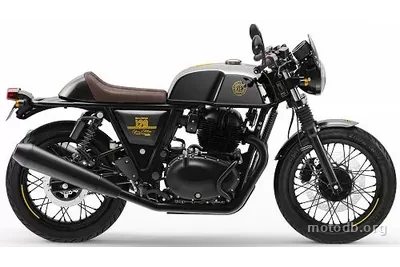
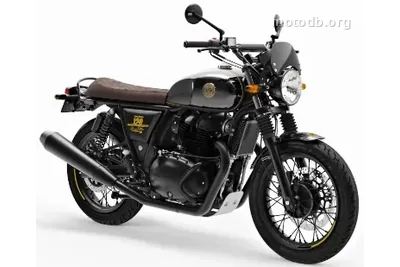
Continental GT 650 120th Anniversary
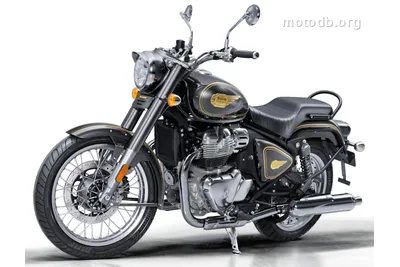
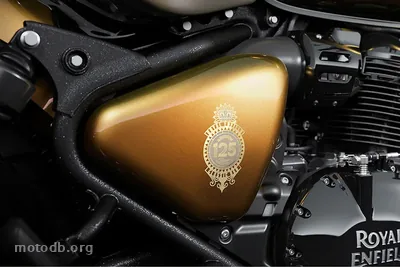
650 Classic 125 Year Special Edition
Reviews & comments
No reviews yet. Be the first to share your opinion!