Key performance
Technical specifications
Engine
- Displacement
- 340 cc
- Power
- 27.0 ch @ 7500 tr/min (19.7 kW)
- Engine type
- Single cylinder, four-stroke
- Cooling
- Air
- Compression ratio
- 10.0:1
- Bore × stroke
- 76.0 x 75.0 mm (3.0 x 3.0 inches)
- Valves/cylinder
- 2
- Valve timing
- Desmodromic valve control
Chassis
- Gearbox
- 5-speed
- Final drive
- Chain (final drive)
Brakes
- Front brakes
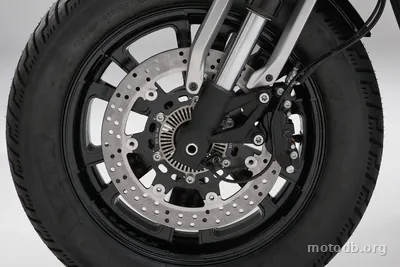
- Dual disc
- Rear brakes
- Single disc
- Front tyre
- 3.25-18
- Rear tyre
- 3.50-18
Dimensions
- Fuel capacity
- 15.00 L
- Weight
- 164.00 kg
Overview
In 1981, post-Franco Spain was searching for its way on two wheels, and Mototrans, still linked to Ducati, offered this strange chimera: the Vento 350. A four-stroke single-cylinder engine with a displacement of 340 cm3, housed in a custom frame with soft lines, promised 27 horsepower at 7500 rpm. The concept was surprising, as the idea of a cruiser born under the Mediterranean sun seemed to go against the prevailing Japanese trends.
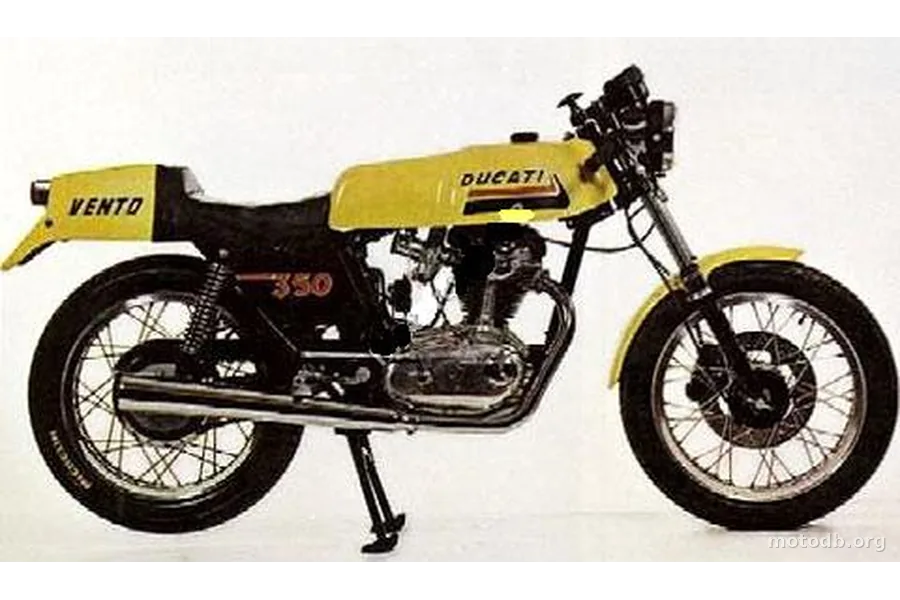
With a square bore of 76 mm for a stroke of 75, the engine displayed generous dimensions and a compression ratio of 10:1, announcing a rather lively temperament for its class. It was intended to weigh 164 kg all fueled up, with a 15-liter tank and balloon tires in 3.25-18 size at the front. Final transmission by chain and a five-speed gearbox hinted at simple, almost rustic mechanics, the opposite of the refinements of the Honda CM or Yamaha XV of the time.
On the road, this Vento was not intended to revolutionize the genre. The theoretical top speed of 150 km/h came at the expense of a high engine speed, the single-cylinder having to scream to maintain a decent cruising speed. The braking equipment, with two discs at the front and one at the rear, seemed generous on paper for a machine of this mass, but it all depended on the quality of the calipers and master cylinders, often the weak point of low-budget production models.
This Mototrans 350 Vento was aimed at the local, pragmatic motorcyclist who was looking for a relaxed silhouette without the mechanical complexities or the import price of Japanese customs. Today, it remains a historical curiosity, a testament to a European industry attempting to resist the Japanese tide with the means at hand. For the collector of forgotten brands, it has a certain charm; for the traveler seeking sensations, it is better to turn to more accomplished references.

Reviews & comments
No reviews yet. Be the first to share your opinion!