Key performance
Technical specifications
Engine
- Displacement
- 649 cc
- Power
- 68.0 ch @ 8000 tr/min (50.0 kW)
- Torque
- 64.0 Nm @ 6700 tr/min
- Engine type
- Bicylindre en ligne, 4 temps, calé à 180°
- Cooling
- liquide
- Compression ratio
- 10.8 : 1
- Bore × stroke
- 83 x 60 mm
- Valves/cylinder
- 4
- Camshafts
- 2 ACT
- Fuel system
- Injection Ø 36 mm
- Starter
- électrique
Chassis
- Frame
- Treillis tubulaire en acier
- Gearbox
- boîte à 6 rapports
- Final drive
- Chaîne
- Front suspension
- Fourche téléhydraulique Ø 41 mm, déb : 125 mm
- Rear suspension
- Mono-amortisseur, déb : 130 mm
Brakes
- Front brakes
- Freinage 2 disques Nissin Ø 300 mm, étrier 2 pistons
- Rear brakes
- Freinage 1 disque Nissin Ø 220 mm, étrier simple piston
- Front tyre
- 120/70-17
- Front tyre pressure
- 2.25 bar
- Rear tyre
- 160/60-17
- Rear tyre pressure
- 2.50 bar
Dimensions
- Seat height
- 820.00 mm
- Seat type
- Selle biplaces
- Fuel capacity
- 12.00 L
- Weight
- 174.00 kg
- Dry weight
- 174.00 kg
- New price
- 8 090 €
Overview
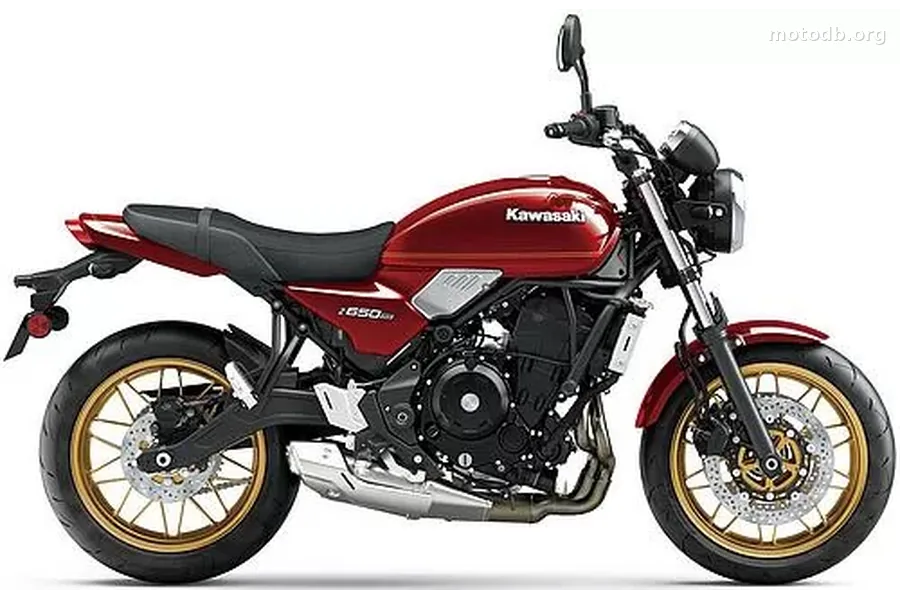
The Z 650 RS has found its place in the market with the right touch of seduction. Following the success of the Z 900 RS, a modern clone of the (1972) Z 900 based on the current model, the concept is adapted to a mid-size format. With the same winning formula: a modern roadster, a retro sauce makeover, changes everywhere to make it a unique machine and not just a simple facelift. Click, it matches, it sparkles, it shows itself proudly and is called the Z 650 RS.
It will be difficult to find fault with it. The mimicry is very successful, allowing everyone to find the key lines that are so pleasing on the 900. The look of the Z1, that slightly bourgeois aspect, a large round headlight, an egg-shaped tail, and a dashboard with a twin-needle gauge cluster. As Axe would say, let the charm work.
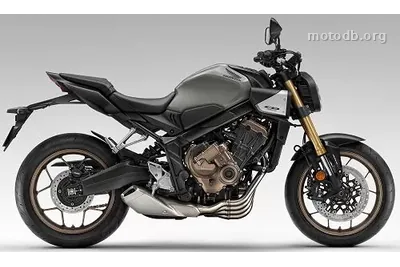
Kawasaki has not taken back (thankfully) the semi-square engine design of yesteryear for its tank. It also takes the shape of the Z 900 RS, with its indelible elegance and that feeling of a good, full belly. The wheels are also from the same lineage, with their multiple, fine spokes. Special mention for the green color scheme, the only one accompanied by gold-colored rims; as on the Z 900 RS SE. A glamorous touch that works well! A pity that the exhaust retains that sickly appearance - we would not have minded a "vintage" silencer.
No surprises on the engine side. The parallel-twin makes no changes to its performance. Same displacement, same power (68 horsepower), same torque (6.5 mkg), same maximum value revs. This will be an asset for almost all buyers of this machine. Fun, very usable in everyday life, with impressive force, the 649 cm3 is an excellent road companion. For a little less time at each stage, because the tank only holds 12 liters (3 less than the Z). For fueling the pub talk, let's dive into the past to check if the Z 650 RS wanted to recover some memories of the Z 650 from the 70s-80s. The watts, yes; almost identical. But that’s all. The ancestor was powered by a 4-cylinder with 8 valves, carburetors, air cooling and weighed a certain amount.
A whole other world with the Z 650 RS, weighing 33 kilos less than its ancestor. The difference is less noticeable with the modern roadster brother, heavier by 1 kg. Not much. Insignificant, we would say. Will we ride the RS like the Z 650? Not at all. The riding position is much more relaxed, as befits a machine with vintage flavors. With a higher handlebar and a seat at 820 mm (instead of 790), the rider finds themselves in a more natural, less aggressive posture, leading to a less tense riding style. The handlebars are 50 mm higher and 30 mm further back. The rear frame also takes on a different posture. It looks like a press has strongly pressed on the second half to flatten it. The entire rear end becomes more elongated, truly old-school.
We will find almost the same dynamic qualities on the RS as on the Z. The steel tubular trellis frame, the banana swingarm, the 41 mm fork and the shock absorber, as well as the brakes are all transfers from one to the other. Only the discs change, losing their petal shape without changing their 300 mm diameter. Two pistons in each caliper to bite them, with ABS as a safety net.
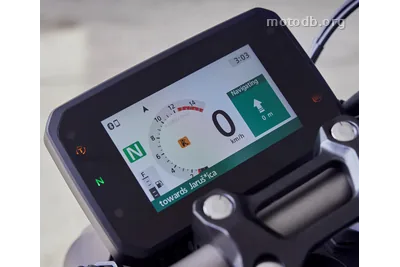
Anti-tank braking and injection are about all the electronics you find for road use. The rest is between the tachometer and the speedometer. The small LCD block primarily indicates the engaged gear. Then the fuel level, engine temperature, clock, trips and a few additional indications. A button on the handlebar allows you to scroll through them. No frills, no overbidding, no high-tech smartphone link... but still a USB port under the seat (optional) - not the most convenient place.
A mirror is for seeing behind... A revolution is for seeing ahead. Kawasaki has combined the two to present its Z 650 RS. Let's forget the marketing approach and focus on what the motorcycle really wants. To offer all the appeal of the Z 900 RS in a smaller format. To appeal to a wider panel. Especially since it can be restricted to A2. The style is successful, the mechanics accessible to most, the expected comfort a notch above the Z 650. With a much more accessible price than the big RS, its future should be bright.
M.B - Photos constructeur
Standard equipment
- Assistance au freinage : ABS
- Jantes aluminium
- Indicateur de vitesse engagée
Practical info
- Véhicule accessible au permis A2 ou bridable à 47.5ch / 35 Kw
- La moto est accessible aux permis : A, A2
- Pays de fabrication : Japon
Reviews & comments
No reviews yet. Be the first to share your opinion!