Key performance
Technical specifications
Engine
- Displacement
- 748 cc
- Power
- 106.0 ch @ 10500 tr/min (78.0 kW)
- Torque
- 78.5 Nm @ 8300 tr/min
- Engine type
- 4 cylindres en ligne, 4 temps
- Cooling
- liquide
- Compression ratio
- 11.3:1
- Bore × stroke
- 68,4 x 50,9 mm
- Valves/cylinder
- 4
- Camshafts
- 2 ACT
- Fuel system
- Injection Ø 32 mm
Chassis
- Frame
- Tubulaire en acier, type diamant
- Gearbox
- boîte à 6 rapports
- Final drive
- Chaîne
- Front suspension
- Fourche téléhydraulique inversée Ø 41 mm, déb : 120 mm
- Rear suspension
- Mono-amortisseur, déb : 124 mm
Brakes
- Front brakes
- Freinage 2 disques Ø 300 mm, étrier 4 pistons
- Rear brakes
- Freinage 1 disque Ø 250 mm, étrier simple piston
- Front tyre
- 120/70-17
- Front tyre pressure
- 2.50 bar
- Rear tyre
- 180/55-17
- Rear tyre pressure
- 2.90 bar
Dimensions
- Seat height
- 815.00 mm
- Fuel capacity
- 18.50 L
- Weight
- 226.00 kg
- Dry weight
- 203.00 kg
- New price
- 7 499 €
Overview
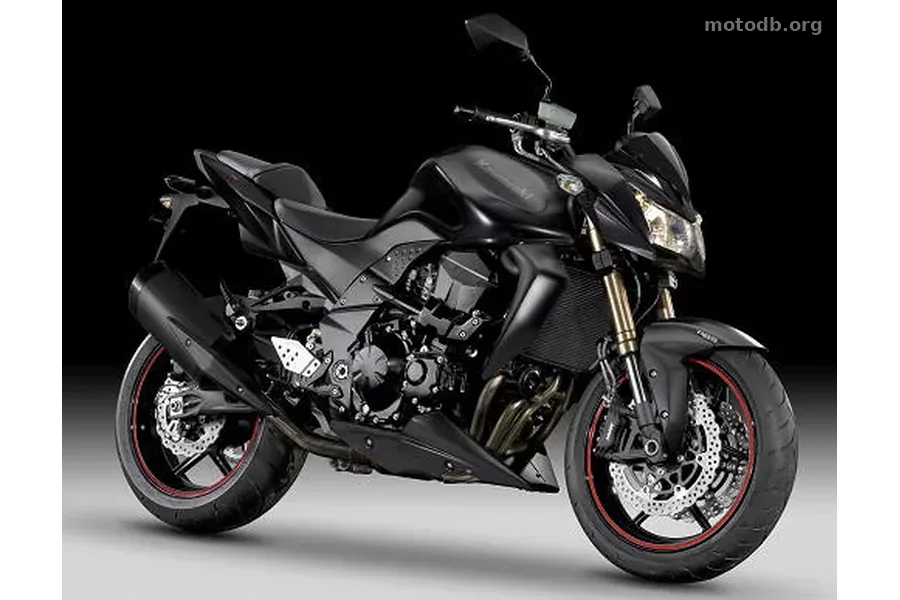
The Z 800 quickly climbed into the top 5 of the market. However, the Z 750, and its R version, haven’t faded away. With a price adjustment, the roadster becomes very interesting compared to a more modern, more feature-rich 800, but at a significantly higher price. Nearly 1,500 euros separate them. This extends its presence in the Kawa catalog a little longer.
Success is when you see it everywhere, when it’s instantly recognizable on the street, when lots of strangers talk about it, and when you’re tearing up the charts. And that’s exactly what the Z 750 has experienced since 2005. An unbeatable price/performance ratio, a manga-inspired design that seriously shook up the third of the decade, a 750 for the price of a 600, and today, there are more than 125,000 Kawa Z 750s riding in Europe; our country alone has swallowed up no less than 45,000 units. But at Kawasaki, they didn’t just look at sales figures – the greens also looked, scrutinized, and analyzed user behavior. A bit of inspiration, a dose of technology, more selected components, and a priority goal: to improve riding sensations and machine performance. This idea is the new Z 750 R.
R for racing? Almost. Let’s just say that the standard Z 750 has everything it takes to honor the success it deserves on the chassis; but the latter is not without its shortcomings, especially when you increase the pace. In aggressive mode, things move around. The R version is now here to fix that, with a host of small modifications and, in a subtle way, an invitation to the track. Before we look closely at this Z 750 R, because even though you can easily mistake them from afar, it’s different up close.
Let’s set aside the dark color scheme for a simple reason: the green-black two-tone looks much better and expresses the sporty side of this Z 750 R more clearly. The new upside-down fork is an evolution of the standard model, with sharper facets and a more prominent speedo cover. The dashboard has been slightly redesigned (you can barely tell). The main instrument, the tachometer, has a new typeface, a black background, and a large R above the single needle. Among the minor modifications, we note the new front mudguards, chain guard, mirror stalks, redesigned turn signals, handlebar grips (from the ZX-10 R 2010), engine surface treatment, Supersport-style footrests, and a few tweaks to the onboard wiring. No changes to the engine; it’s still the re-bored 4-cylinder from the old ZX-9R hypersport. Now, let’s get to the serious stuff:
Which boil down to 3 areas: braking, suspension, and chassis stiffness. Let’s start with the latter point. The Z 750 R had the good idea of ditching its banal and antiquated technology steel swingarm for a much more stylish aluminum model with hollowed-out side rails. Not only does it look much better, but it also provides more stiffness and a noticeable weight reduction. Up front, the wheel axle diameter has been widened to make it stronger; the wheel has also been modified accordingly. While we’re talking about wheels, let’s see what rubber Kawa has shod them with. An improvement: the Dunlop Qualifier D210s are on the rims. Speaking of which, I see some people looking closely at the fork. What’s so special about it? Look at the end. Yes, the calipers have changed. The original model is equipped with 2-piston axial-mount calipers – on the Z 750 R, these are 4-piston radial-mount calipers from the Z 1000 version 2009. The master cylinder has also become radial. A big surprise between the two. Braided hoses! Finally, should we say! It was high time a Japanese sporty motorcycle was equipped with braided steel hoses. Widely used on European models, this type of equipment significantly improves the efficiency and endurance of the braking system. It is also mandatory in competition. The rear brake is also equipped with a braided hose; to compensate for the change in feel at the foot, the diameter of the piston is reduced from 14 to 12.7 mm.
Now that we suspect the Z 750 R will brake better and flex less than its Z 750 non-R brother, let’s take a closer look at where the R is expected to shine. Chapter suspension. There’s improvement, and there’s ‘we hoped for more.’ Already adjustable for preload, the 41 mm inverted fork can now adjust its rebound on each fork leg (one side on the standard Z 750). The rear shock is a separate reservoir model to improve oil cooling. Its positioning on the swingarm is moved back 2 mm: the same modification value for the wheelbase, which goes from 172 to 174 mm. This allows for more progressiveness. But to completely justify its R designation and its sporty character, we would have liked fully adjustable suspensions, with compression, preload, and rebound on all elements – like the optimized damping of the Triumph Street Triple R. And a little nitrided titanium treatment on the fork legs would have been nice too.
Is this Z 750 R more aggressive? Let’s just say more rigorous. Seeing a host of modified Z 750s, Kawa simply said, “They want Zs like that? We’re going to build it.” This model judiciously complements the Z range, offering a more sporty alternative for those who want more than what the standard Z 750 can offer. The bonus video below perfectly illustrates the symbiosis that Kawasaki wants to generate with this Z 750 R: the motorcycle that wants to reconcile the two worlds, that of the road and that of the circuit. From there to imagining that a Z 750 R Cup or a new version of the Kawasaki Cup will soon be born, there’s only a slider that roadsters would like to scrape.
M.B - photos constructeur
The Kawasaki Z 750 R in rotation
Standard equipment
- Assistance au freinage : ABS en option
Practical info
- La moto est accessible aux permis : A
Indicators & positioning
Similar bikes
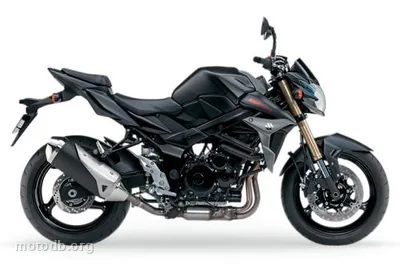
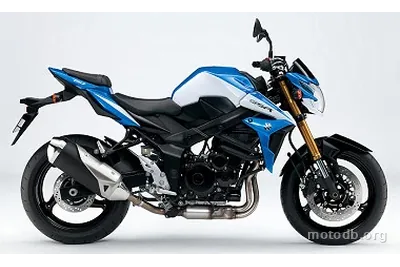
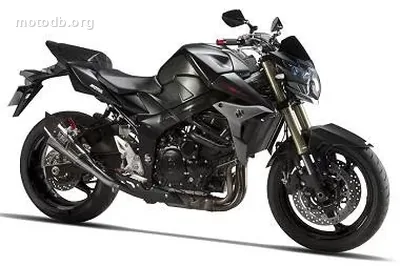
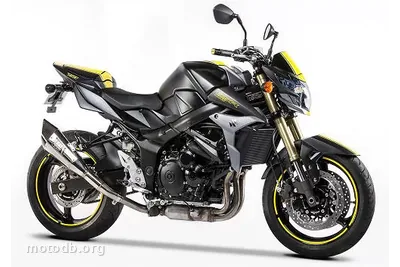
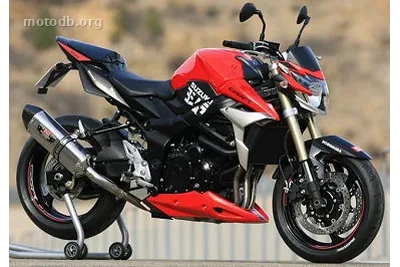
GSR 750 YOSHIMURA édition
Reviews & comments
No reviews yet. Be the first to share your opinion!