Key performance
Technical specifications
Engine
- Displacement
- 125 cc
- Power
- 14.8 ch @ 10500 tr/min (10.8 kW)
- Torque
- 9.7 Nm @ 10000 tr/min
- Engine type
- Twin, four-stroke
- Cooling
- Oil & air
- Compression ratio
- 11.2:1
- Bore × stroke
- 44.0 x 41.0 mm (1.7 x 1.6 inches)
- Fuel system
- Carburettor
- Ignition
- Digital CDi
- Starter
- Electric
Chassis
- Frame
- Double cradle
- Gearbox
- 6-speed
- Final drive
- Chain (final drive)
- Front suspension
- Cartridge fork
- Rear suspension
- Twin shocks
- Front wheel travel
- 170 mm (6.7 inches)
- Rear wheel travel
- 110 mm (4.3 inches)
Brakes
- Front brakes
- Single disc
- Rear brakes
- Expanding brake (drum brake)
- Front tyre
- 110/90-16
- Rear tyre
- 130/90-16
Dimensions
- Seat height
- 665.00 mm
- Fuel capacity
- 14.00 L
- Weight
- 161.00 kg
- Dry weight
- 145.00 kg
Overview
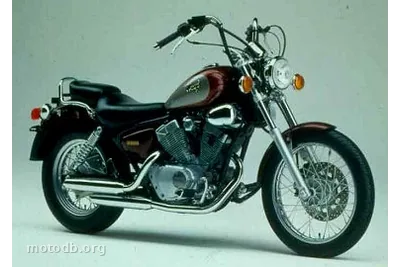
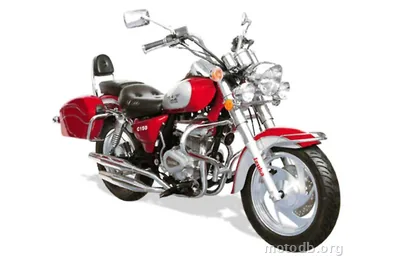
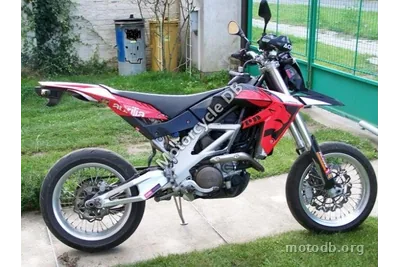
In 2006, obtaining an A1 license did not open the doors to a wide choice of machines with a distinct character. The Hyosung Aquila 125 arrived with the ambition of making frugal single-cylinder engines and patched-up minimotos a thing of the past. With its 75° V-twin, oil-air cooled and carbureted, it already promised a different sonic and mechanical experience.
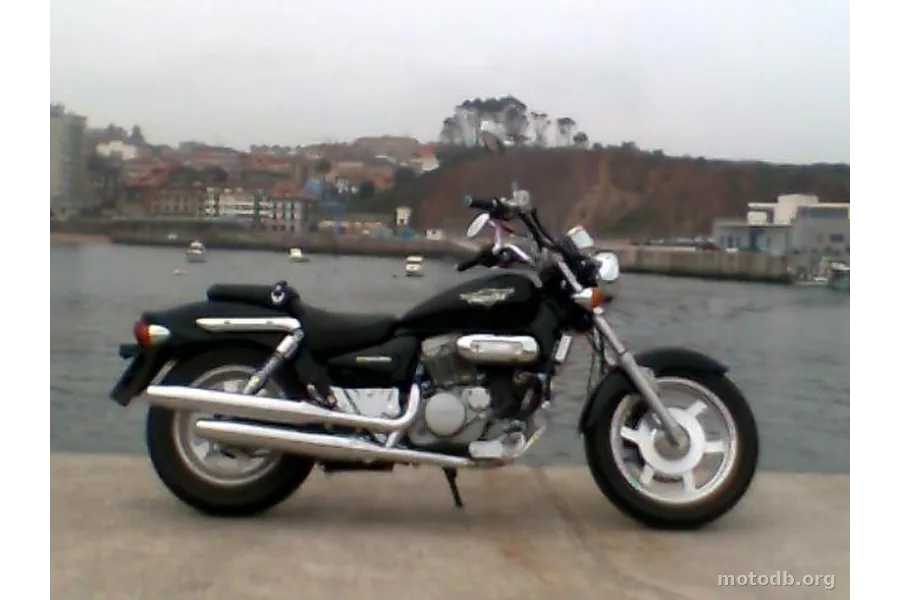
The 125 cc engine, with a bore of 44 mm and a stroke of 41 mm, is a curiosity in this segment. Revving to 10,500 rpm to extract 14.8 horsepower requires utilizing the six gears, and the torque of 9.7 Nm at 10,000 rpm confirms that you must enjoy making the engine sing. The advertised top speed of 100 km/h is indicative; on a flat surface and with a slight downhill slope, it can approach that figure, but do not dream of overtaking trucks on national roads with elegance. It is an exercise in patience, but for a young license holder, the deep sound of the V-twin and the custom riding position are worth all the speeches.
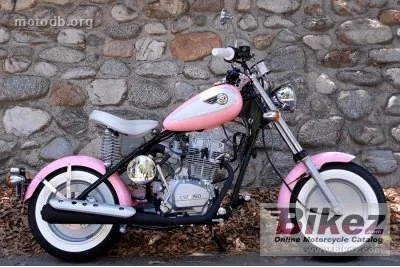
The steel double cradle frame gives it its appearance, with a 665 mm seat that comfortably accommodates almost everyone. The 16-inch wheels, shod with 110 tires at the front and 130 at the rear, ensure correct road stability for the genre. The cartridge fork and the two rear shock absorbers are elements of comfort more than performance, which corresponds to the specifications of a cruiser. The braking system, with a single disc at the front and a drum at the rear, recalls that the era did not yet require ABS on all engine sizes; moderation is key, especially in wet conditions.
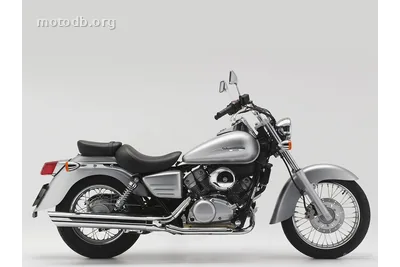
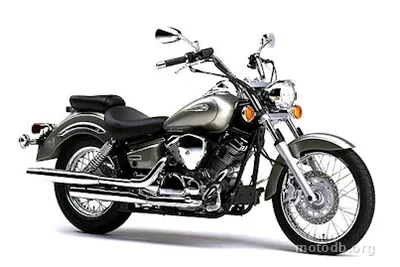
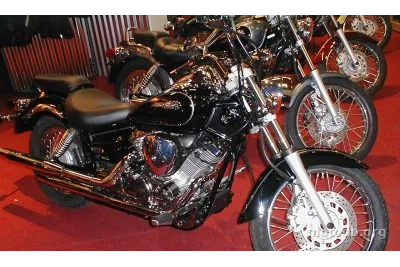
Faced with a Honda Shadow 125 or a Yamaha Virago 125, the Aquila 125 defends itself with its more muscular style and more authentic V-twin. Its weight of 161 kg when fully fueled makes it maneuverable in the city, and the 14-liter tank offers honorable range for departmental rides. It does not seek to compete with the sporty 125s of the time, such as the Aprilia RS 125; it offers a different universe: that of relaxed riding, muffled noise, and visual presence.
This Hyosung was aimed at young motorcyclists wanting to start on a credible custom base, without settling for a impersonal single-cylinder engine. Today, it is encountered on the used market as a pleasant curiosity, a witness to an era when the A1 segment began to diversify. It remains an option for learning if you are looking for something other than a standard roadster, provided you accept its dynamic limitations and find a well-maintained model.
Reviews & comments
No reviews yet. Be the first to share your opinion!