Key performance
Technical specifications
Engine
- Displacement
- 1199 cc
- Power
- 59.0 ch @ 5200 tr/min (43.1 kW)
- Torque
- 89.0 Nm @ 3900 tr/min
- Engine type
- V2, four-stroke
- Cooling
- Air
- Compression ratio
- 9.0:1
- Bore × stroke
- 88.8 x 96.8 mm (3.5 x 3.8 inches)
- Valves/cylinder
- 2
- Fuel system
- Carburettor
- Valve timing
- Overhead Valves (OHV)
- Ignition
- Digital
- Starter
- Electric
Chassis
- Gearbox
- 5-speed
- Final drive
- Belt (final drive)
- Front suspension
- 39mm Telescopic Showa forks, preload , compression and rebound adjustable.
- Rear suspension
- Dual Showa shocks, preload , compression and rebound adjustable.
Brakes
- Front brakes
- Single disc. Two-piston calipers.
- Rear brakes
- Single disc. Single-piston caliper.
- Front tyre
- 80/90-19
- Rear tyre
- 130/90-16
Dimensions
- Seat height
- 736.00 mm
- Fuel capacity
- 12.50 L
- Dry weight
- 223.00 kg
Overview
In 1998, Harley-Davidson targeted a rider who wanted a V-Twin without superfluous weight. The Sportster 1200 of this year embodies this philosophy: an 1199 cc engine mounted on a frame with a pronounced backbone, for a more lively ride than the larger customs in the range. With a dry weight of 223 kilograms, it presents itself as an agile alternative in the Milwaukee catalog, although the word "agile" remains to be nuanced in relation to European or Japanese standards. The Sportster does not claim to rival a Honda CB or a Yamaha XJR in terms of pure responsiveness. It offers something else: a raw sensory experience, centered on the 45-degree air-cooled V-twin.
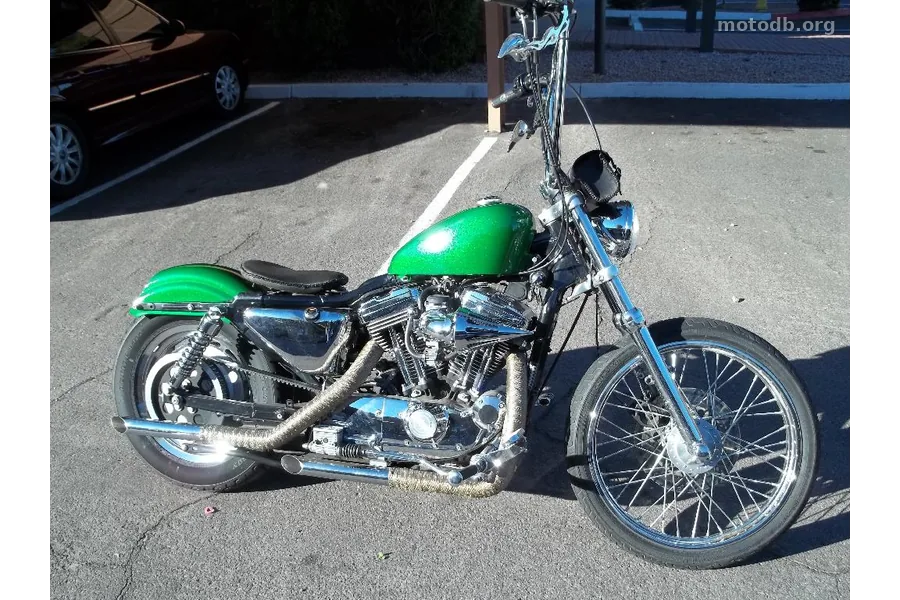
The engine, indeed, deserves closer attention. With a bore of 88.8 mm and a long stroke of 96.8 mm, the V2 is designed for torque. The 89 Nm available from 3900 rpm are not an urban legend; you can feel them immediately, as soon as you start an acceleration in third or fourth gear. The 59 horsepower, delivered at 5200 rpm, seem modest on paper. They are sufficient, however, to propel the machine to its announced top speed of 160 km/h, with that constant thrust sensation characteristic of long-stroke engines. The carburetor, the mechanical highlight of the time, contributes its share of character, sometimes requiring a little patience in cold weather. The compression ratio of 9:1 tolerates standard gasoline without complaint, and the final transmission by belt ensures an appreciable operating silence, far from the clatter of chains.
On the road, the 1998 Sportster 1200 imposes its own rhythm. The riding position is archetypal of the cruiser: low seat at 736 mm, feet slightly forward on the footrests, and arms outstretched towards a wide handlebar. This geometry offers relative comfort on short journeys, but can become trying beyond a few hours, prompting some to seek a more comfortable Harley-Davidson 1200 Sportster saddle better suited to long trips. The chassis, for its part, surprises with its rigidity. The 39 mm Showa telescopic fork and the two rear shock absorbers, all adjustable for preload, compression and rebound, provide an unexpected firmness. They absorb road imperfections with a certain dignity, far from the characteristic softness of some customs. Braking, with a single disc and two-piston calipers at the front, requires marked anticipation. It does the job without frills, provided you don't want to imitate the muscular stops of a sportbike.
The displayed fuel consumption of 5.88 liters per hundred kilometers is honest for the displacement, and the 12.5-liter tank allows for autonomies of around 200 kilometers, a practical figure to know for those who travel the national roads. Today, finding a used Harley-Davidson 1200 Sportster in good condition is a quite achievable project. Models from the 1990s, like this 1998, often offer an excellent mechanical/price ratio compared to more recent versions, such as the Harley-Davidson 1200 Sportster 2010 or 2012. It is a motorcycle that can be personalized endlessly, from a simple, more efficient Harley-Davidson 1200 Sportster air filter to a complete exhaust line change. It will appeal to the touring rider seeking mechanical authenticity and sound presence, much more than the track rider thirsty for lap times. It is the antithesis of high-tech sophistication, and that’s precisely why we love it.
Indicators & positioning
Similar bikes
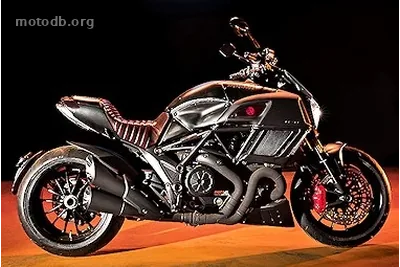
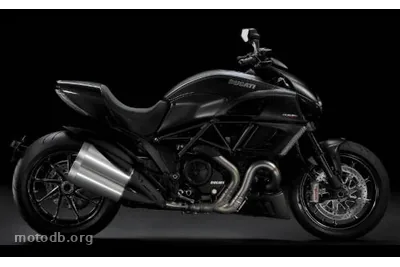
DIAVEL 1200 DIESEL
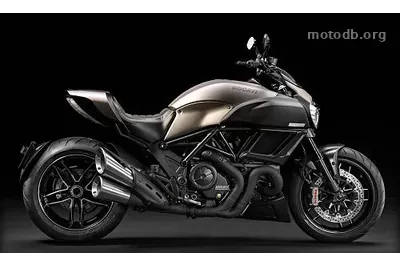
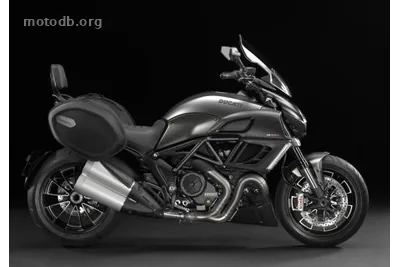
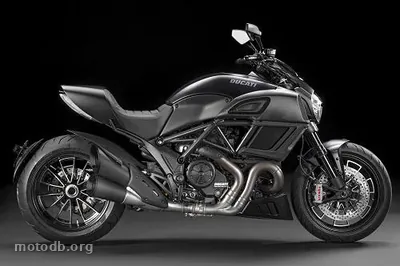
DIAVEL 1200 Titanium
Reviews & comments
No reviews yet. Be the first to share your opinion!