Key performance
Technical specifications
Engine
- Displacement
- 1293 cc
- Power
- 175.0 ch @ 9250 tr/min (127.7 kW)
- Torque
- 140.0 Nm @ 8250 tr/min
- Engine type
- In-line four, four-stroke
- Cooling
- Liquid
- Compression ratio
- 13.0:1
- Bore × stroke
- 80.0 x 64.3 mm (3.1 x 2.5 inches)
- Valves/cylinder
- 4
- Camshafts
- 2 ACT
- Fuel system
- Injection. Electronic intake pipe injection/digital engine management including knock sensor (BMS-K)
- Valve timing
- Double Overhead Cams/Twin Cam (DOHC)
- Lubrication
- Dry sump
- Starter
- Electric
Chassis
- Frame
- Bridge-type frame, cast aluminium, load-bearing engine
- Gearbox
- 6-speed
- Final drive
- Shaft drive (cardan) (final drive)
- Clutch
- Multiple-disc clutch in oil bath, hydraulically operated
- Front suspension
- BMW Motorrad Duolever
- Rear suspension
- Cast aluminium single-sided swing arm with BMW Motorrad Paralever
- Front wheel travel
- 115 mm (4.5 inches)
- Rear wheel travel
- 135 mm (5.3 inches)
Brakes
- Front brakes
- Double disc. Floating discs. Four-piston calipers.
- Rear brakes
- Single disc. Floating disc. Two-piston calipers.
- Front tyre
- 120/70-ZR17
- Front tyre pressure
- 2.50 bar
- Rear tyre
- 190/55-ZR17
- Rear tyre pressure
- 2.90 bar
Dimensions
- Seat height
- 820.00 mm
- Wheelbase
- 1585.00 mm
- Length
- 2182.00 mm
- Width
- 905.00 mm
- Height
- 1221.00 mm
- Fuel capacity
- 19.00 L
- Weight
- 254.00 kg
- Dry weight
- 228.00 kg
- New price
- 16 895 €
Overview
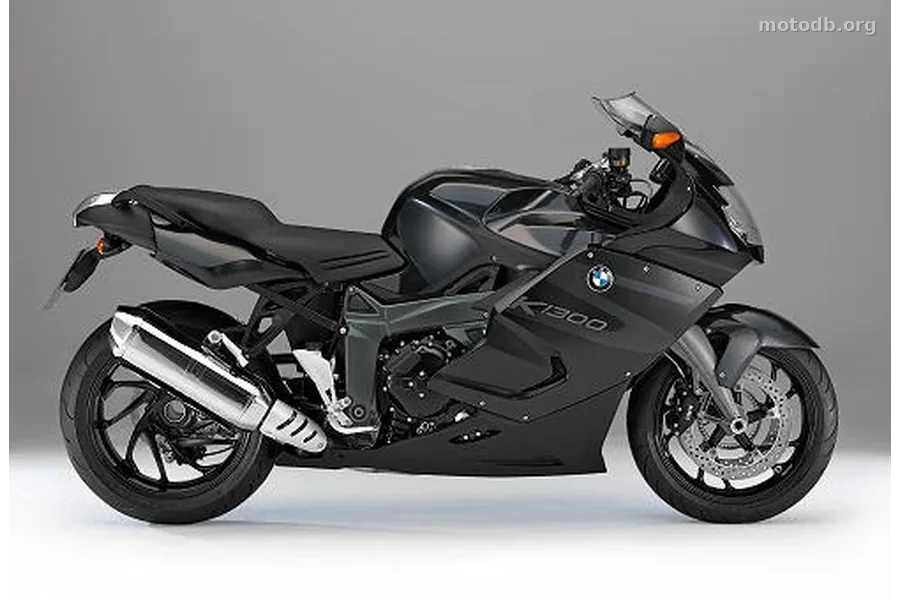
When Munich decides to turn a page, it’s never done halfway. The K 1200 S had laid the foundations for a unique Bavarian myth, this 55-degree inline four-cylinder engine that, according to its detractors, had only the label to suggest it was sporty. The BMW K 1300 S, on the other hand, came to settle accounts once and for all. Not by changing its silhouette, nor by revolutionizing its already polarizing lines, but by working where it counts: in the engine's internals.
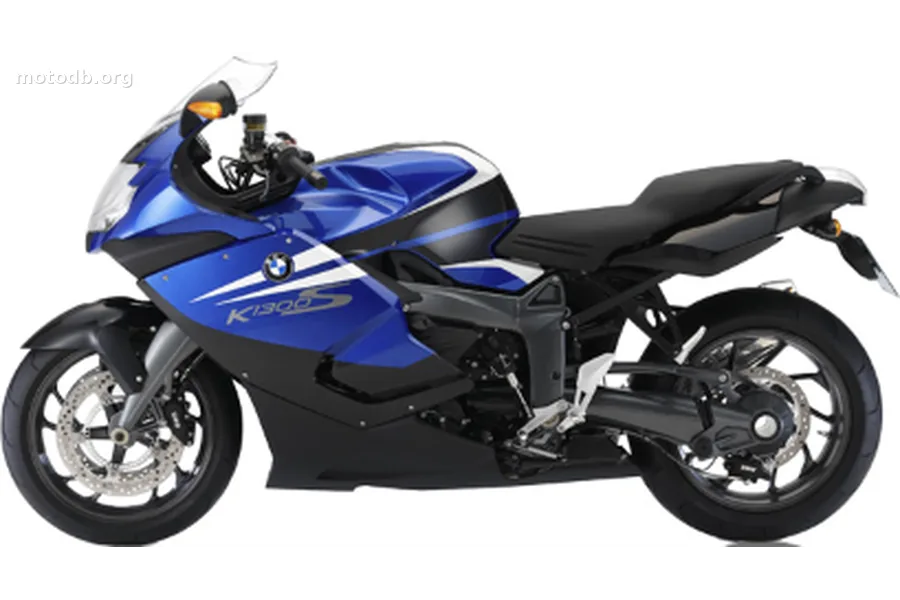
The increase in displacement, 136 cm3 gained primarily through a 5.3 mm increase in stroke, is not an end in itself. It's a deliberate strategy to densify the torque curve where a rider really needs it, between 2,000 and 8,000 rpm. As a result, the 140 Nm arrives at 8,250 rpm, and the 175 horsepower makes its presence felt at 9,250 rpm, 1,000 rpm sooner than on the previous engine. On the road, this changes everything. The BMW K 1300 S no longer has that slightly hollow character at low rpm that required warming up the engine before enjoying it. It responds, it pushes, it engages from the first few thousand rpm. The 9-gram lighter connecting rods and the shortened skirt pistons are watchmaker's details, but it’s precisely this kind of detail that makes the difference when talking about a 1,293 cm3 engine aiming for 280 km/h top speed.
The comparison with the Suzuki Hayabusa is inevitable, both machines displaying the same 175 horsepower on paper. But the approach is fundamentally different. Where the GSX-R1300 plays the card of mass to serve high-speed stability, with a ballistic missile temperament, the K 1300 S relies on technical sophistication to remain accessible. The Duolever at the front, switched from steel to lightweight alloy to shave off a kilo, combined with the Paralever at the rear and shaft drive, delivers a level of directional precision that few sportbikes can claim. You don’t ride a BMW K 1300 S like you tame a Japanese literbike. The dynamics are different, more analytical, almost surgical. The 254 kg in running order are forgotten in curves with a disconcerting ease for those who take the time to understand the machine.
What truly distinguishes this generation is the onboard electronic arsenal. ESA II, available as an option, far exceeds what its predecessor offered: adjustment of preload, spring rate, and damping stages, all tool-free, from the handlebar, with the added benefit of taking load into account. Three passengers, luggage, or solo, three riding modes, Comfort, Normal, Sport, and the laws of physics adapt to your mood. Add to that the HP shifter, an optional mechanism without ignition cut that one would expect rather on a track machine, and you get a sport-GT capable of playing on several registers without obvious compromise. The ride-by-wire traction control, ASC, which can be disconnected while riding, completes an already generous package. As for the fuel consumption announced at 4.7 liters per 100 km with this level of performance, or about 50 mpg, it’s almost indecent.
Who rides this motorcycle? Clearly not the beginner looking for their first A license. The 820 mm seat height and the temperament of the Bavarian inline four require experience and a certain appetite for speed. The confirmed road rider who wants to cover 600 kilometers in a day without giving up the adrenaline of a clear national highway will find here a rare machine. The fact that a BMW K 1300 S occasionally circulates in great shape years after its release — from the 2009 version to the 2013 and 2014 examples — testifies to a reliability that purists of the brand will appreciate. At 16,895 euros in the catalog for the 2014 version, the proposition remains honest facing the equipment offered. The price of entry into a very closed club, that of the sport-GTs that do not choose between efficiency and character.
Standard equipment
- Assistance au freinage : ABS de série
Practical info
- La moto est accessible aux permis : A
Indicators & positioning
Similar bikes
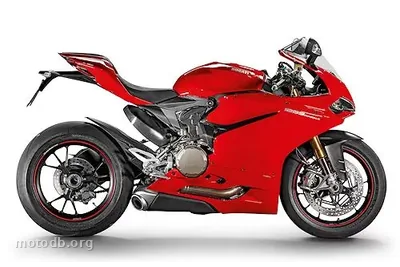
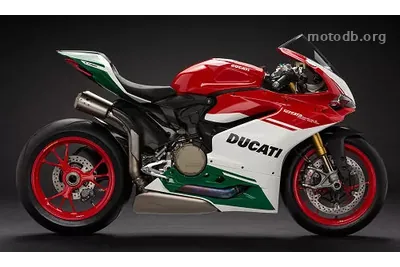
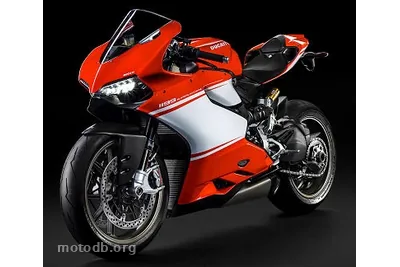
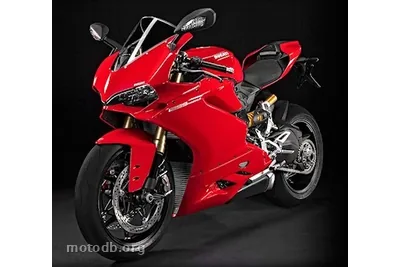
1299 Panigale S Anniversario
Reviews & comments
No reviews yet. Be the first to share your opinion!